TURF-RESERVE STEWARDS
Huiro Indigenous Fishers Association
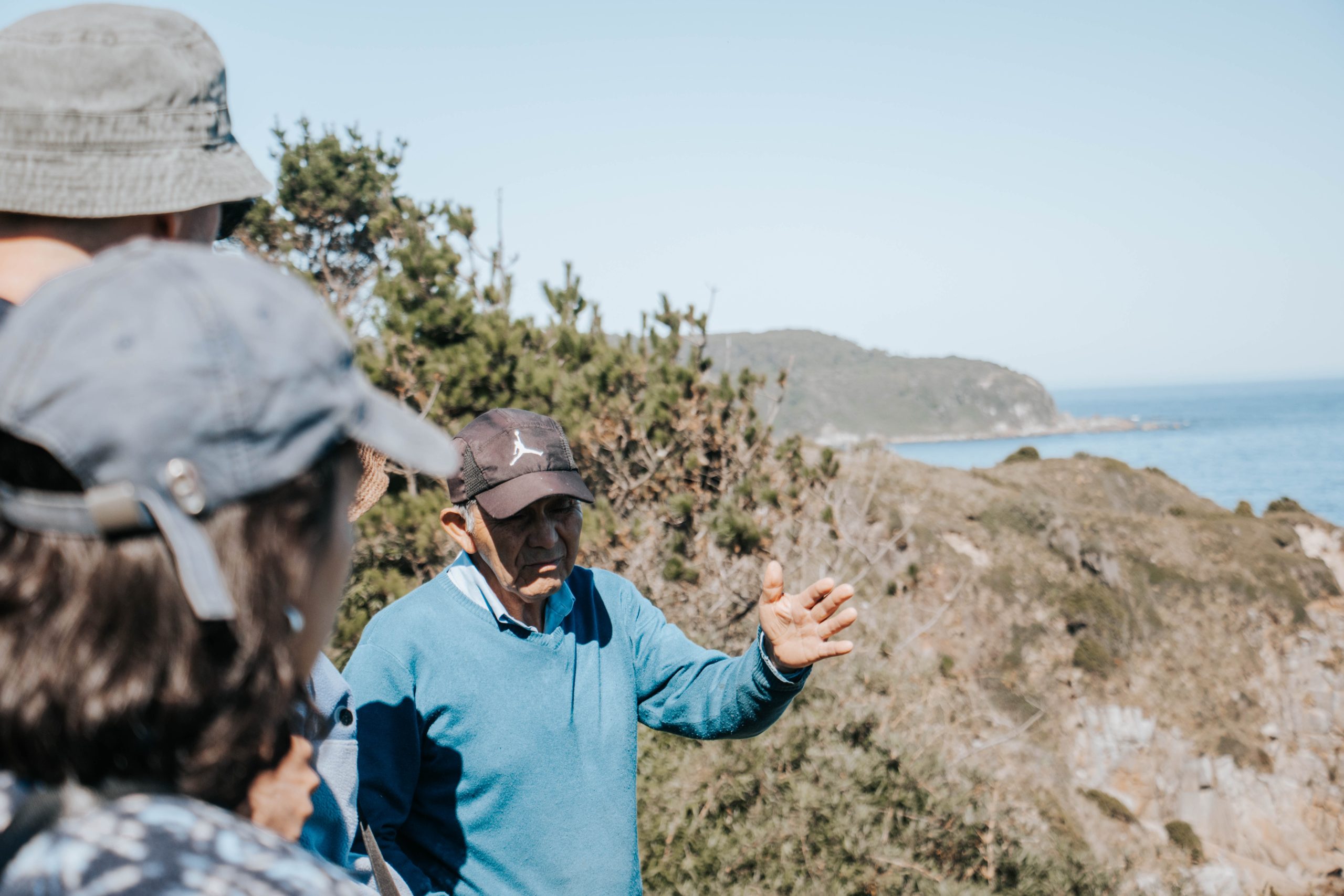
The Indigenous Association of Shellfish Divers, Artisanal Fishers and Shore Gatherers of Huiro, also known as the Huiro Indigenous Fishers Association, began to take shape in 2002, driven by a group that sought to keep its roots and bond with the ocean alive. This community process was formalized a year later when the organization obtained legal status.
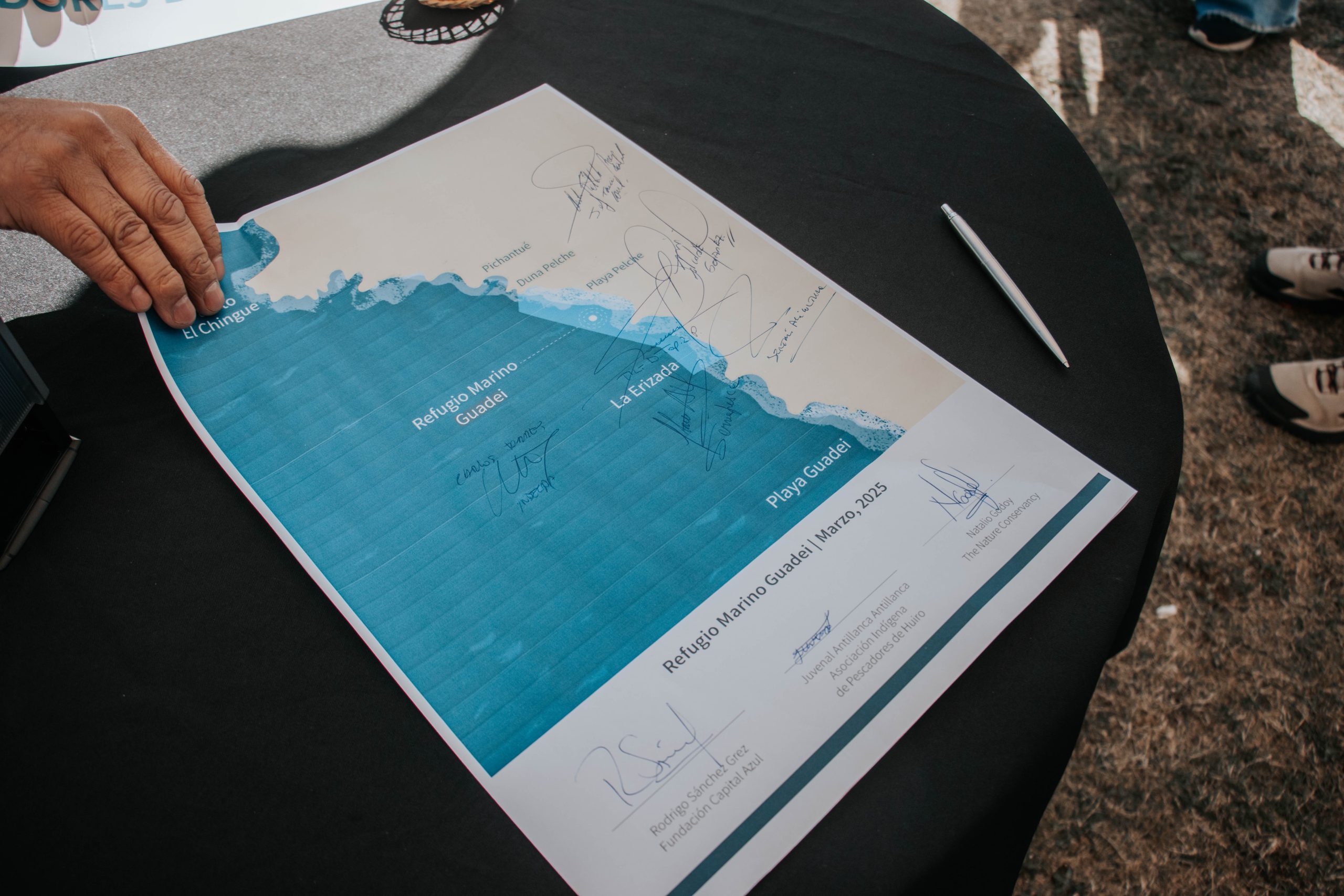
The organization manages three TURFs (Territorial User Rights for Fisheries, known in Chile as AMERB) in the southern part of the Corral district, Los Ríos Region. Two of them are in the waters of the Colún River, while the third is in Huiro, where the Huiro Indigenous Fishers Association is working to implement the Guadei TURF-Reserve in partnership with The Nature Conservancy (TNC) Chile and Capital Azul Foundation.
The group mainly works in fishing and in gathering shellfish and seaweed. It also has shellfish divers who harvest species such as mussels, locos, limpets and sea urchins.
As inhabitants of the Lafkenche territory, the organization’s members say they have always had a natural calling for conservation. However, recent changes in the marine environment raised an alarm and reinforced the urgency to act. In that context, the TURF-Reserve emerged as an opportunity and a solution to address the loss of biodiversity and productivity in the area.
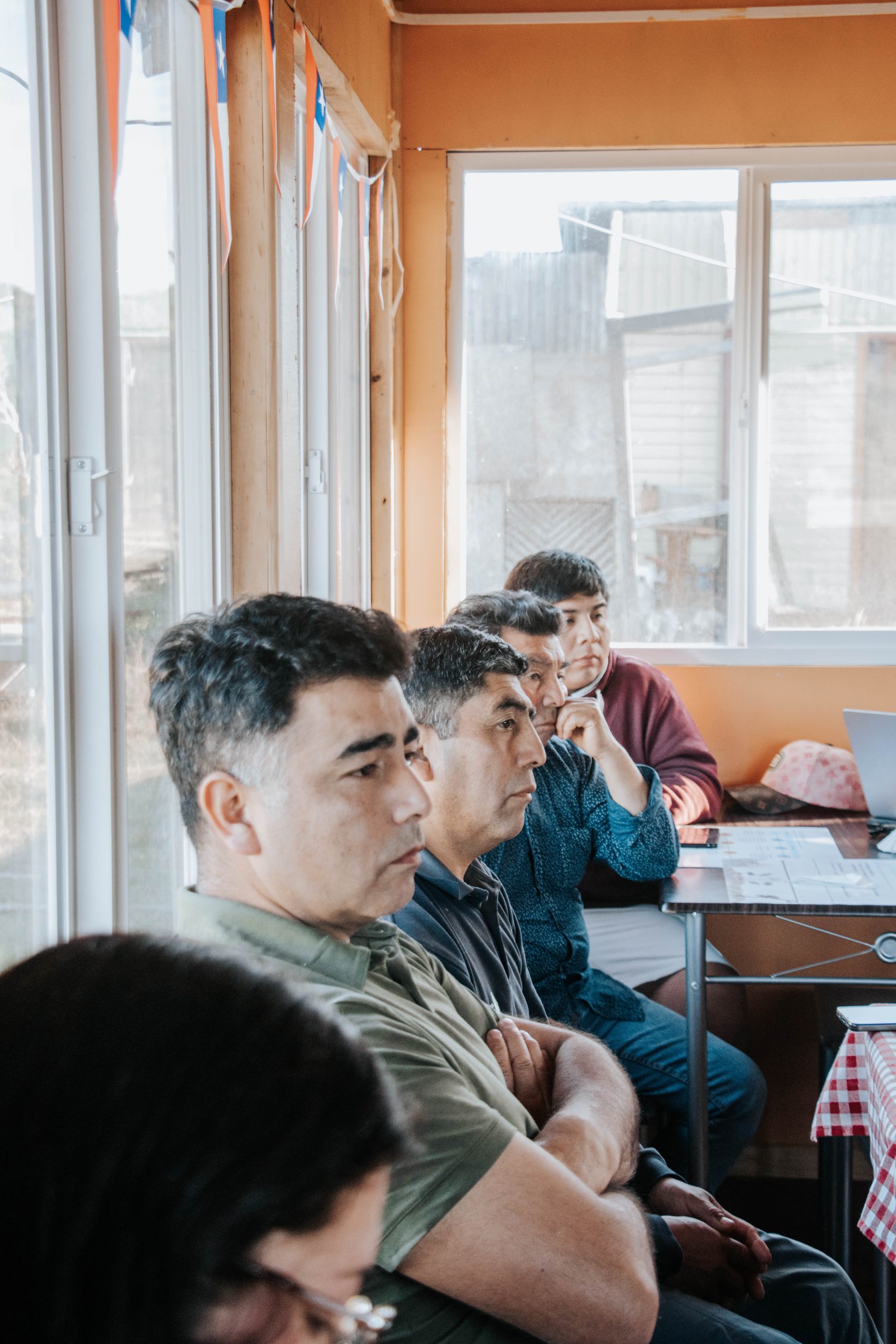
With more than two decades of work in the area, and with the Valdivian Coastal Reserve as its flagship for land conservation, The Nature Conservancy (TNC) Chile, together with the consulting firm Bitecma, held a series of participatory meetings with organizations that manage TURFs between Corral and Punta Lamehuapi, on the southern coast of the Los Ríos Region. Those meetings sparked the Huiro Indigenous Fishers Association’s interest in TURF-Reserves and marked the start of the close collaboration between TNC Chile and Capital Azul Foundation.
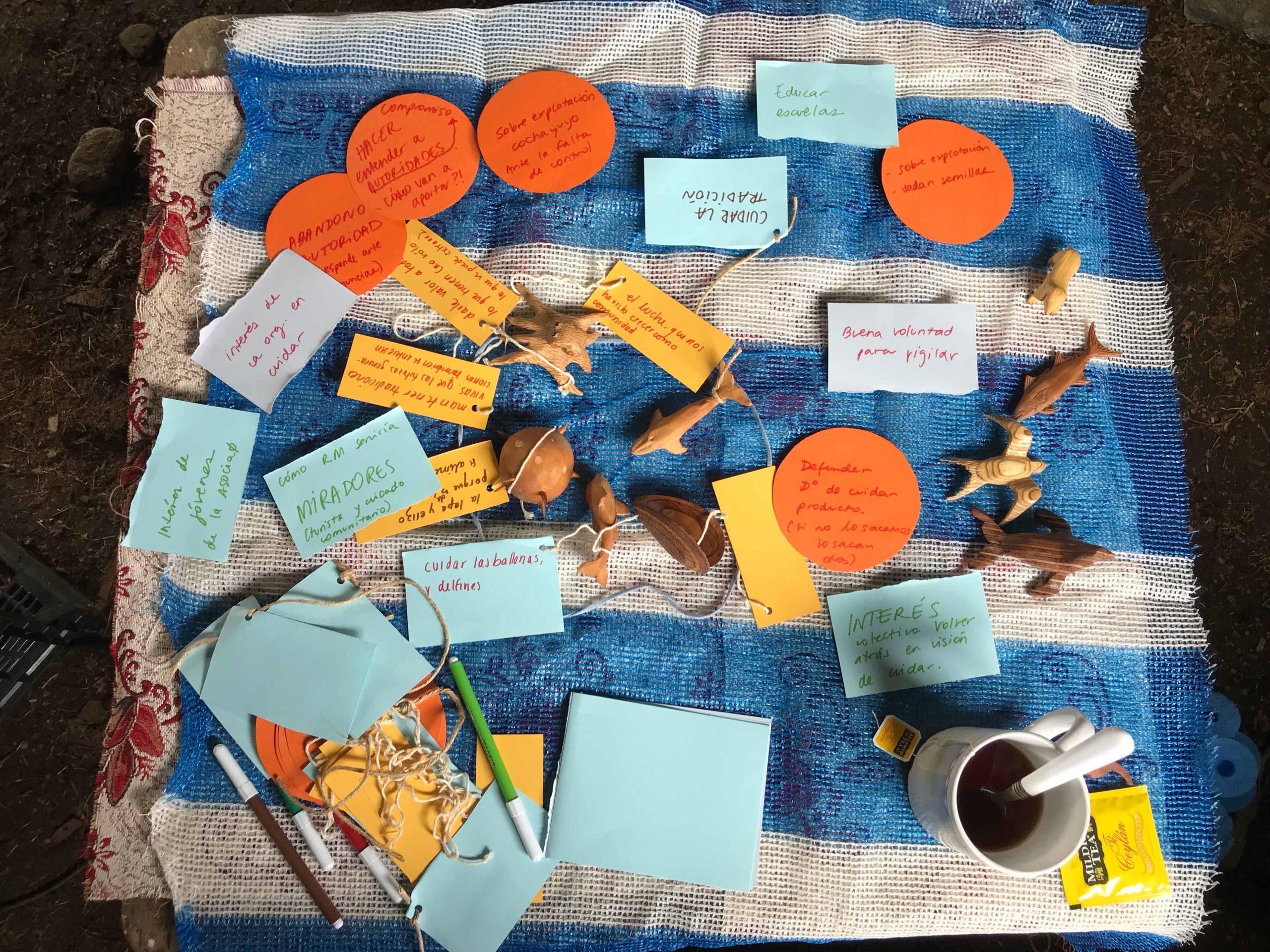
This alliance launched a collective process of exploration and learning that laid the groundwork for dreaming of a TURF-Reserve in Huiro. One of the most important milestones was the Participatory Assessment of Enabling Conditions, the first of its kind in the TURF-Reserve program, which made it possible to identify with the community the key factors for moving forward sustainably.
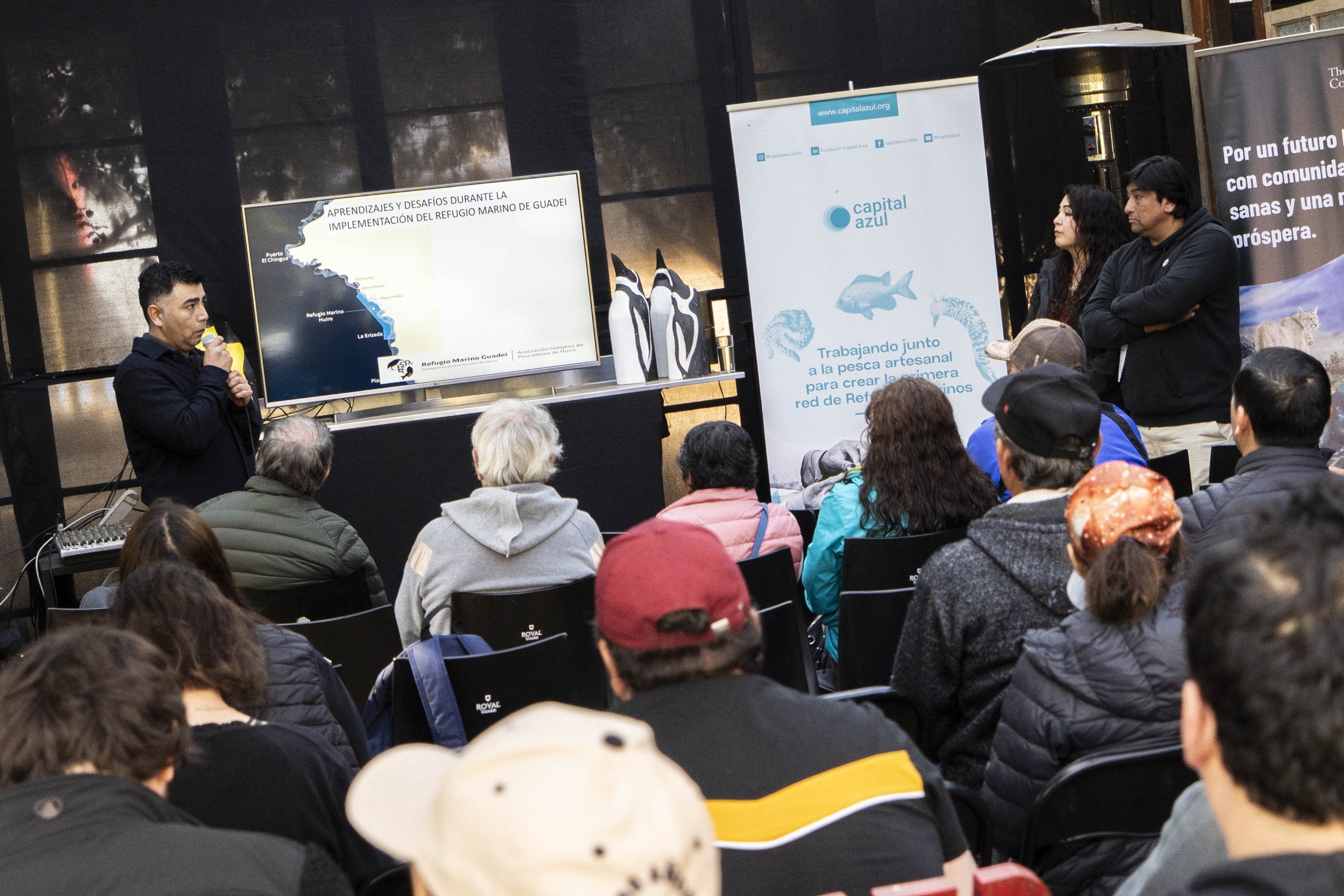
The Capital Azul Foundation team made two field visits to Huiro, opening spaces for dialogue, listening and shared construction in what is known as the co-creation phase of the TURF-Reserve model. At the same time, representatives of the Huiro Indigenous Fishers Association took part in the International TURF-Reserves Meetings held in the Valparaíso Region in 2023 and 2024, where they learned about the experiences of other coastal communities that, like them, have seen conservation as a way to care for their sea territories and ensure a prosperous and resilient relationship with the ocean.
The collective work reached a key moment in March 2025, when various actors came together to sign the Collaboration Agreement that formally launched the enabling phase of the Guadei TURF-Reserve.