FOR MORE TURF-RESERVES
The TURF-Reserves Academy is a space for transferring knowledge and lessons from artisanal fishing, focused on scaling up the TURF-Reserve Program. The initiative builds on the work Capital Azul Foundation has carried out for a decade with various organizations in the Valparaíso and Los Ríos regions, turning TURFs (Territorial User Rights for Fisheries, known in Chile as AMERB) into living laboratories that seek to generate benefits for marine life and the well-being of local communities.
PROGRAM MODULES

LEGAL FRAMEWORK
We will learn about the regulations related to TURF-Reserves, including the Benthic Law (Law No. 21,651), which created Voluntary Protection Zones in TURFs, and the new economic incentives and payments provided for in the Nature Law (Law No. 21,600).

COMMUNITIES & EDUCATION
In this module we will work on how to organize better internally, how to decide in assembly where to locate the TURF-Reserve and how to build alliances so that the community respects the Voluntary Protection Zone.

SCIENCE & MONITORING
We will learn how scientific data on marine resources (fish, seaweeds, invertebrates) show how the sea is recovering and how they can be used to make better decisions in the future.
LEGAL FRAMEWORK
We will learn about the regulations related to TURF-Reserves, including the Benthic Law (Law No. 21,651), which created Voluntary Protection Zones in TURFs, and the new economic incentives and payments provided for in the Nature Law (Law No. 21,600).
COMMUNITIES & EDUCATION
In this module we will work on how to organize better internally, how to decide in assembly where to locate the TURF-Reserve and how to build alliances so that the community respects the Voluntary Protection Zone.
SCIENCE & MONITORING
We will learn how scientific data on marine resources (fish, seaweeds, invertebrates) show how the sea is recovering and how they can be used to make better decisions in the future.

SUSTAINABLE ECONOMIES
Caring for the sea must also be good business for artisanal fishers. We will identify economic activities that are compatible with marine protection, with the TURF-Reserve as an engine that helps the fishing cove and the artisanal fishing group add value to their products and diversify their sources of income.

COASTAL SURVEILLANCE
In this module we will strengthen community surveillance plans, combining traditional strategies with technological innovations such as camera systems and real-time alerts, while improving coordination among different public institutions.

FINANCIAL SUSTAINABILITY
It is key for the TURF-Reserve to be economically viable. To that end, we will learn strategies to secure funding and understand how two key tools work: payments for ecosystem services and biodiversity offsets.
SUSTAINABLE ECONOMIES
Caring for the sea must also be good business for artisanal fishers. We will identify economic activities that are compatible with marine protection, with the TURF-Reserve as an engine that helps the fishing cove and the artisanal fishing group add value to their products and diversify their sources of income.
COASTAL SURVEILLANCE
In this module we will strengthen community surveillance plans, combining traditional strategies with technological innovations such as camera systems and real-time alerts, while improving coordination among different public institutions.
FINANCIAL SUSTAINABILITY
It is key for the TURF-Reserve to be economically viable. To that end, we will learn strategies to secure funding and understand how two key tools work: payments for ecosystem services and biodiversity offsets.
KEY FACTS

3–5 ARTISANAL FISHING ORGANIZATIONS
That is the number of groups that will take part in each annual cycle, along with representatives of regional governments, municipalities, local NGOs and other interested actors.

21 HOURS
That is the total time planned for each edition of the TURF-Reserves Academy, delivered in an intensive format over four consecutive days.

3 PARTICIPATION AGREEMENTS
Each organization commits to taking full part in the TURF-Reserves Academy sessions and will appoint three members to do so. It will also set up a committee to lead the process of implementing the Voluntary Protection Zone.

1 YEAR OF TECHNICAL SUPPORT
Four sessions will be held with each participating artisanal fishing organization to provide step-by-step support in co-designing and implementing the TURF-Reserve.
3–5 ARTISANAL FISHING ORGANIZATIONS
That is the number of groups that will take part in each annual cycle, along with representatives of regional governments, municipalities, local NGOs and other interested actors.
21 HOURS
That is the total time planned for each edition of the TURF-Reserves Academy, delivered in an intensive format over four consecutive days.
3 PARTICIPATION AGREEMENTS
Each organization commits to taking full part in the TURF-Reserves Academy sessions and will appoint three members to do so. It will also set up a committee to lead the process of implementing the Voluntary Protection Zone.
1 YEAR OF TECHNICAL SUPPORT
Four sessions will be held with each participating artisanal fishing organization to provide step-by-step support in co-designing and implementing the TURF-Reserve.
ACADEMY NEWS
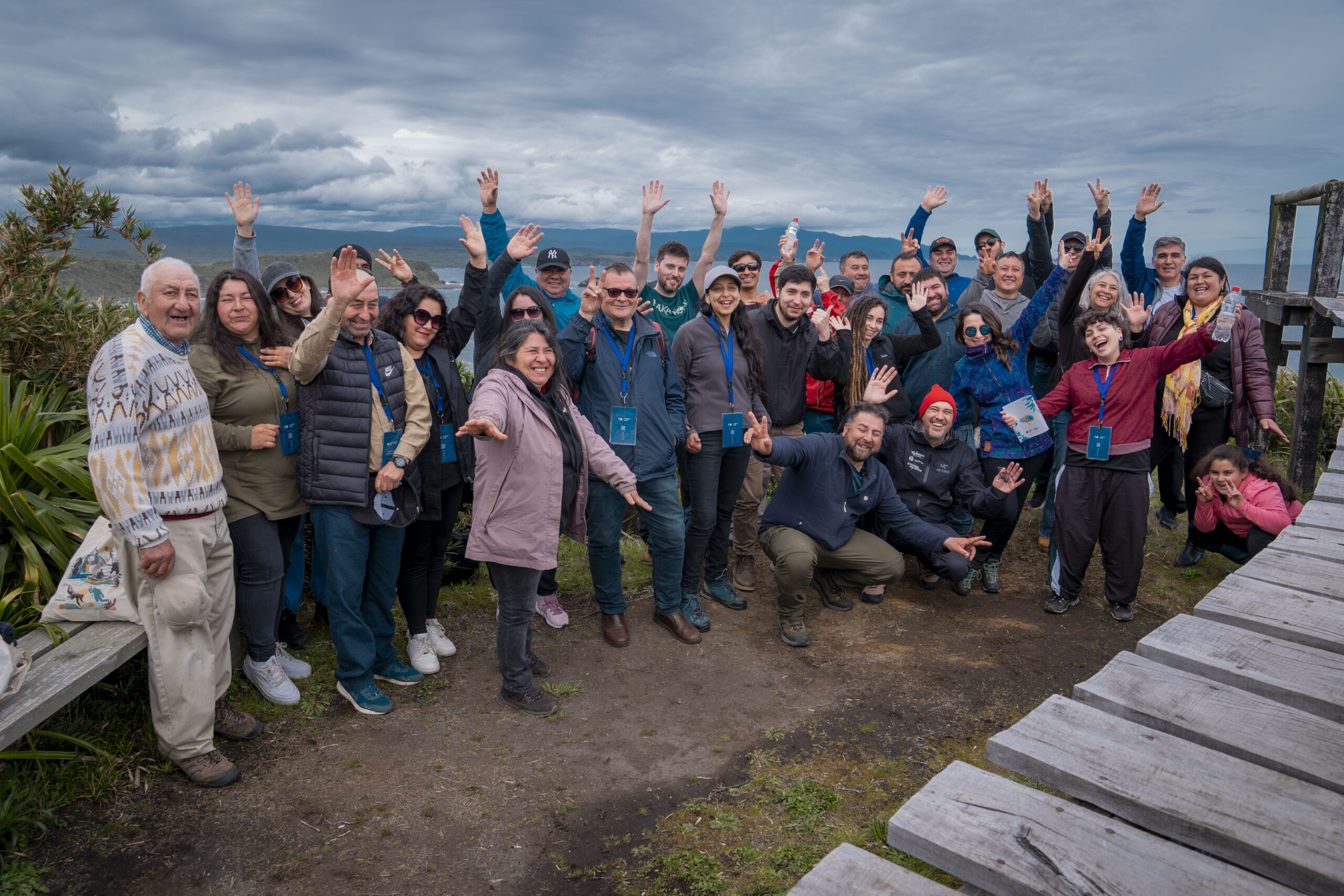
The event, held October 7–10 in Ancud, was an opportunity to share lessons and experiences so that artisanal fishing organizations can lead the creation and management of Voluntary Protection Zones aimed at restoring marine biodiversity.
See more
The gathering explored the value of Voluntary Protection Zones and larval connectivity, establishing Ancud as the hub of a project that, under the name TURF-Reserves Academy and led by Capital Azul Foundation, will formally begin in the coming months.
See more
SHORTS

