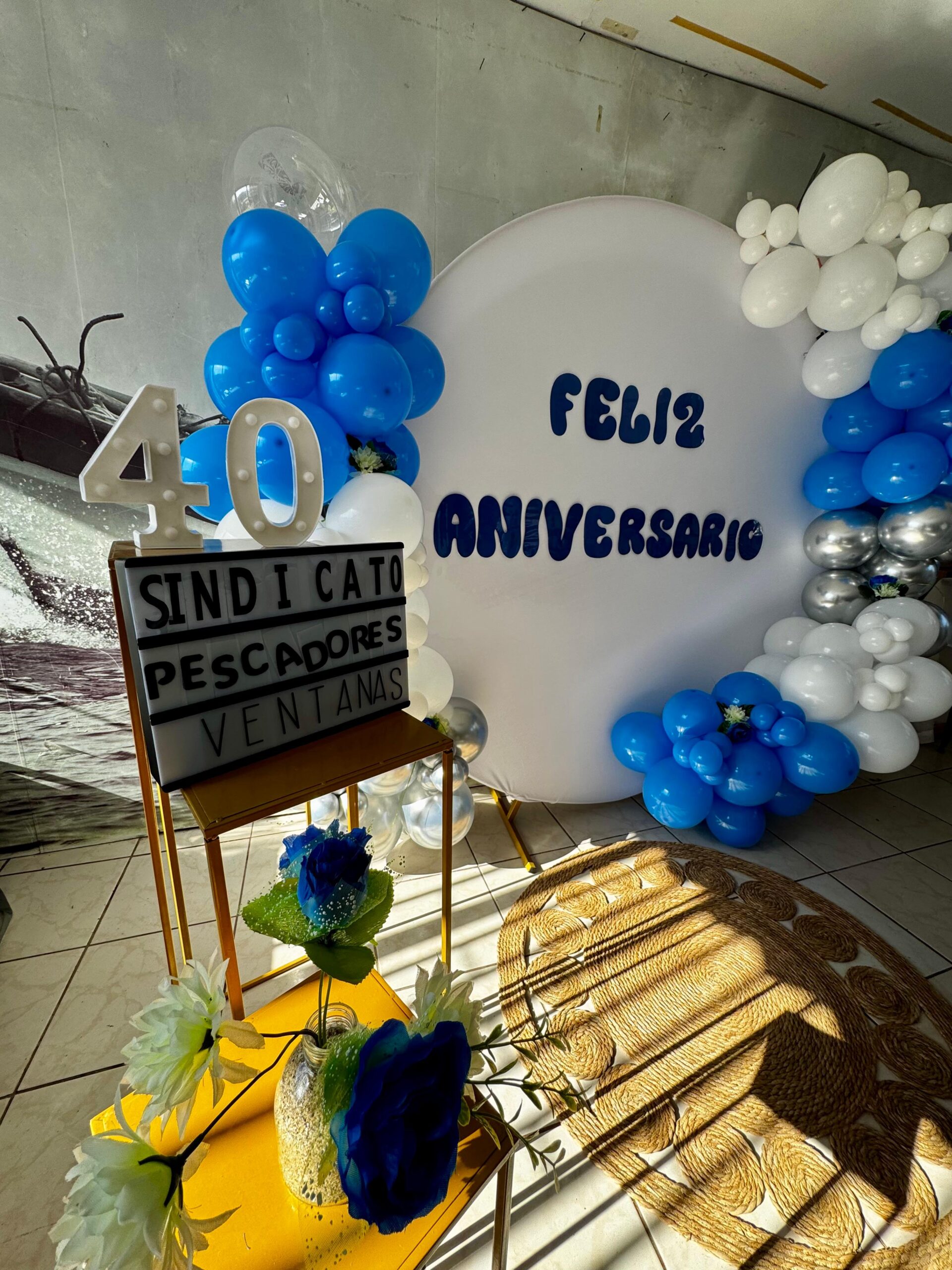
Under an intensely sky-blue sky and a cold, whistling wind, a group of children played in the field, filling the air with contagious laughter, while several women moved tirelessly back and forth preparing the final details of the ceremony.
It was a special day for the community: after more than a year of work, a collaboration agreement was about to be signed to create the Guadei TURF-Reserve.
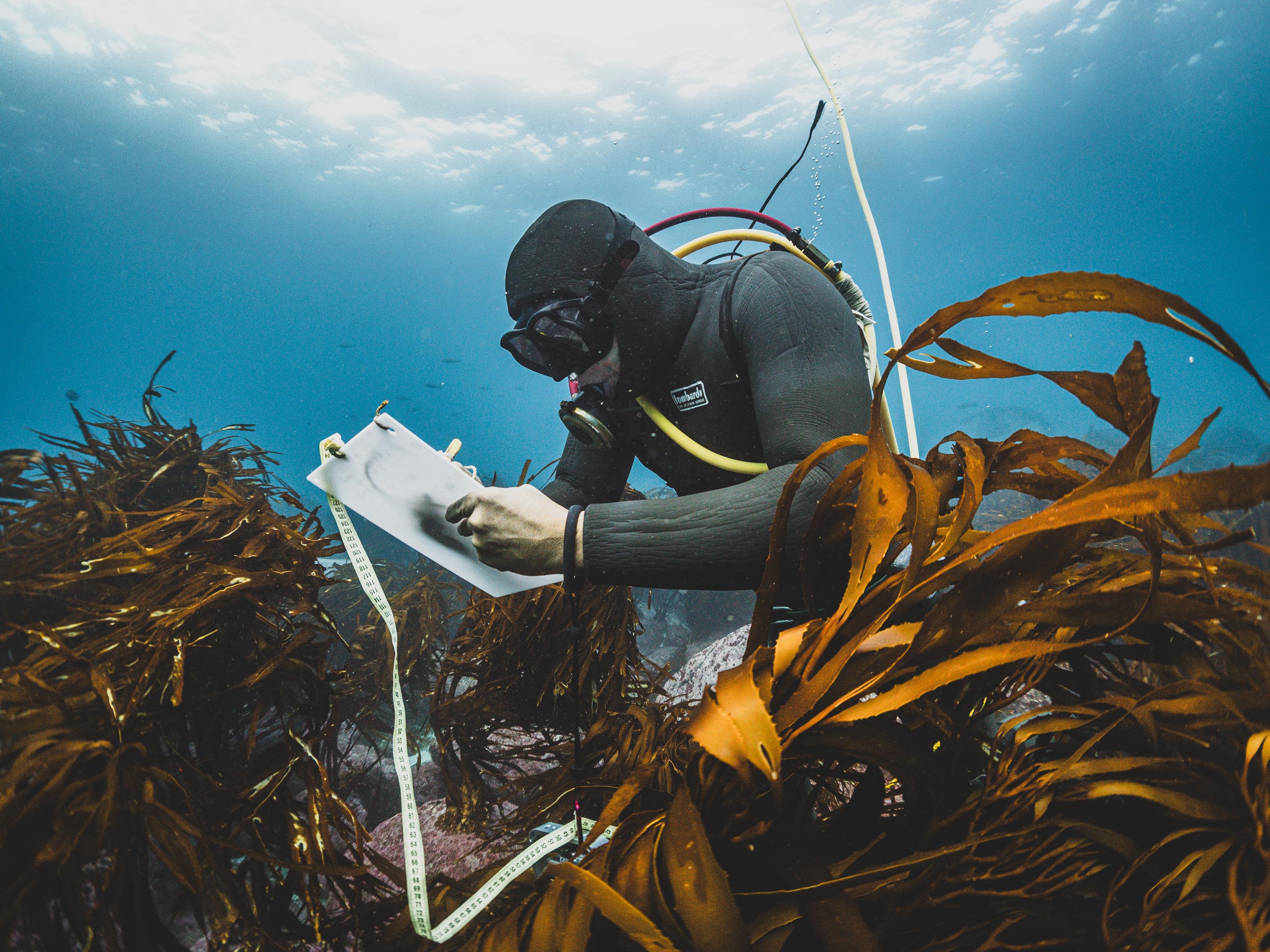
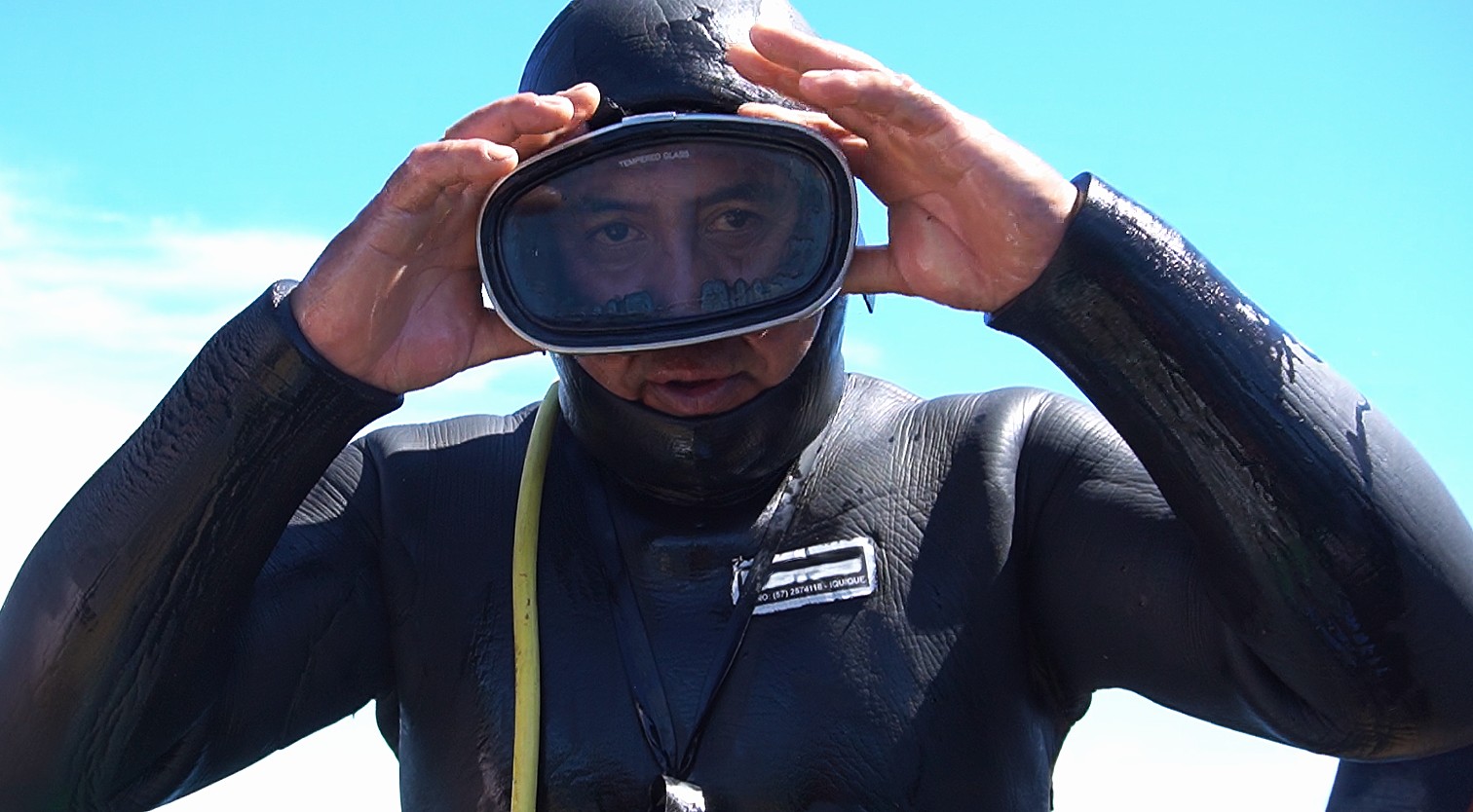
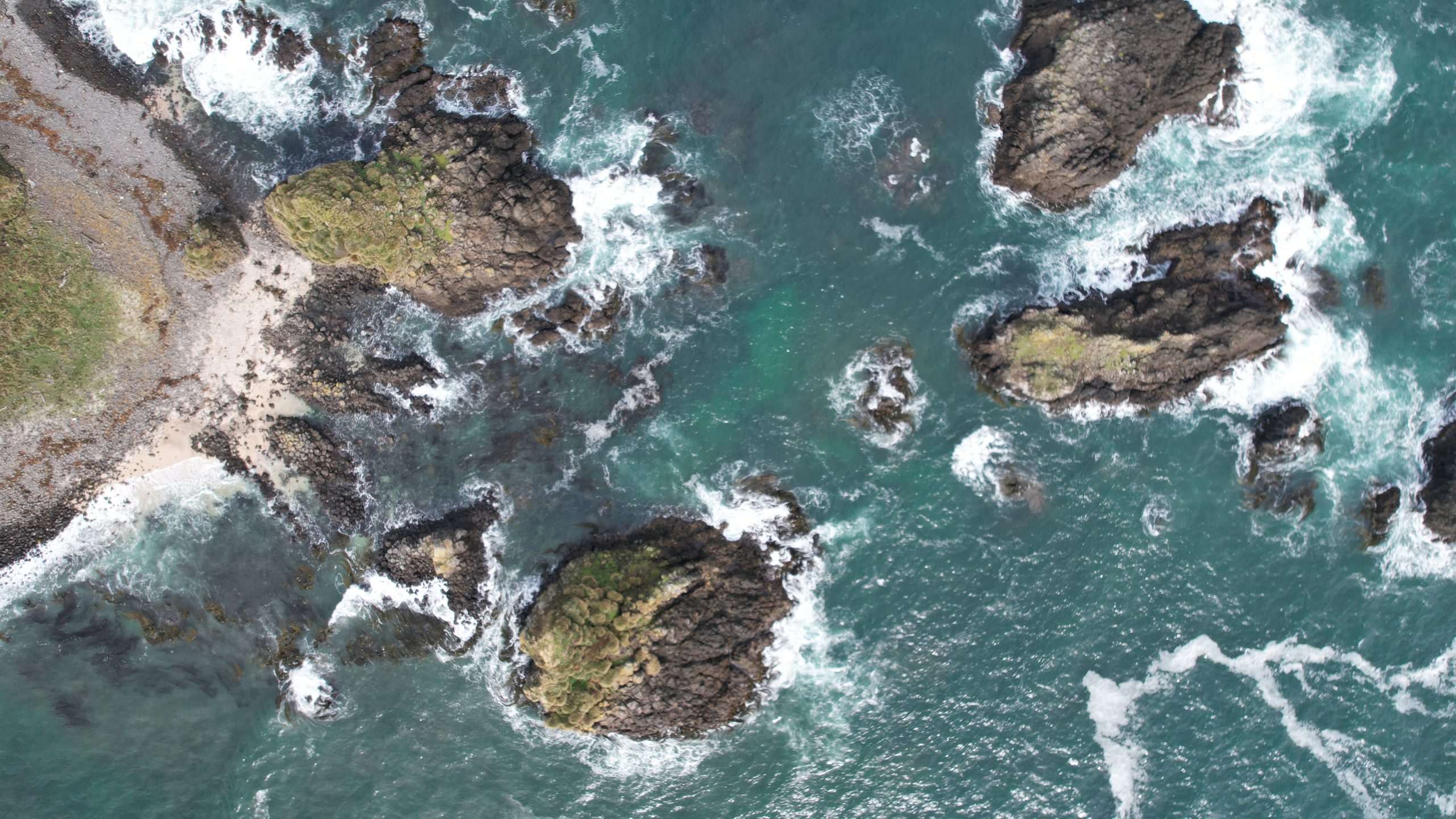
Located within the TURF (Territorial User Rights for Fisheries, known in Chile by the Spanish acronym AMERB) called Guadei, which is managed by the Huiro Indigenous Fishers Association, the TURF-Reserve will set aside 15 hectares (37 acres) of the harvesting area for conservation, as part of an initiative led and funded by The Nature Conservancy (TNC) Chile with the guidance and expertise of Capital Azul Foundation, as well as support from BHP Foundation.
Little by little, guests began arriving in Huiro, near the evergreen forest of the Valdivian Coastal Reserve. Around midday, Don Juvenal Antillanca, president of the Huiro Indigenous Fishers Association, took the floor, and for a few moments the wind seemed to fall silent in respect in this corner of the municipality of Corral, on the coast of the Los Ríos Region.
In a speech marked by a deep bond with the territory and its ancestral roots, he spoke of the long-held wish to conserve this area as a solution to the TURF’s falling productivity, caused by declining populations of some species, and as a source of opportunities that may arise from tourism, a collaborative effort that appears key with an eye to long-term sustainability.
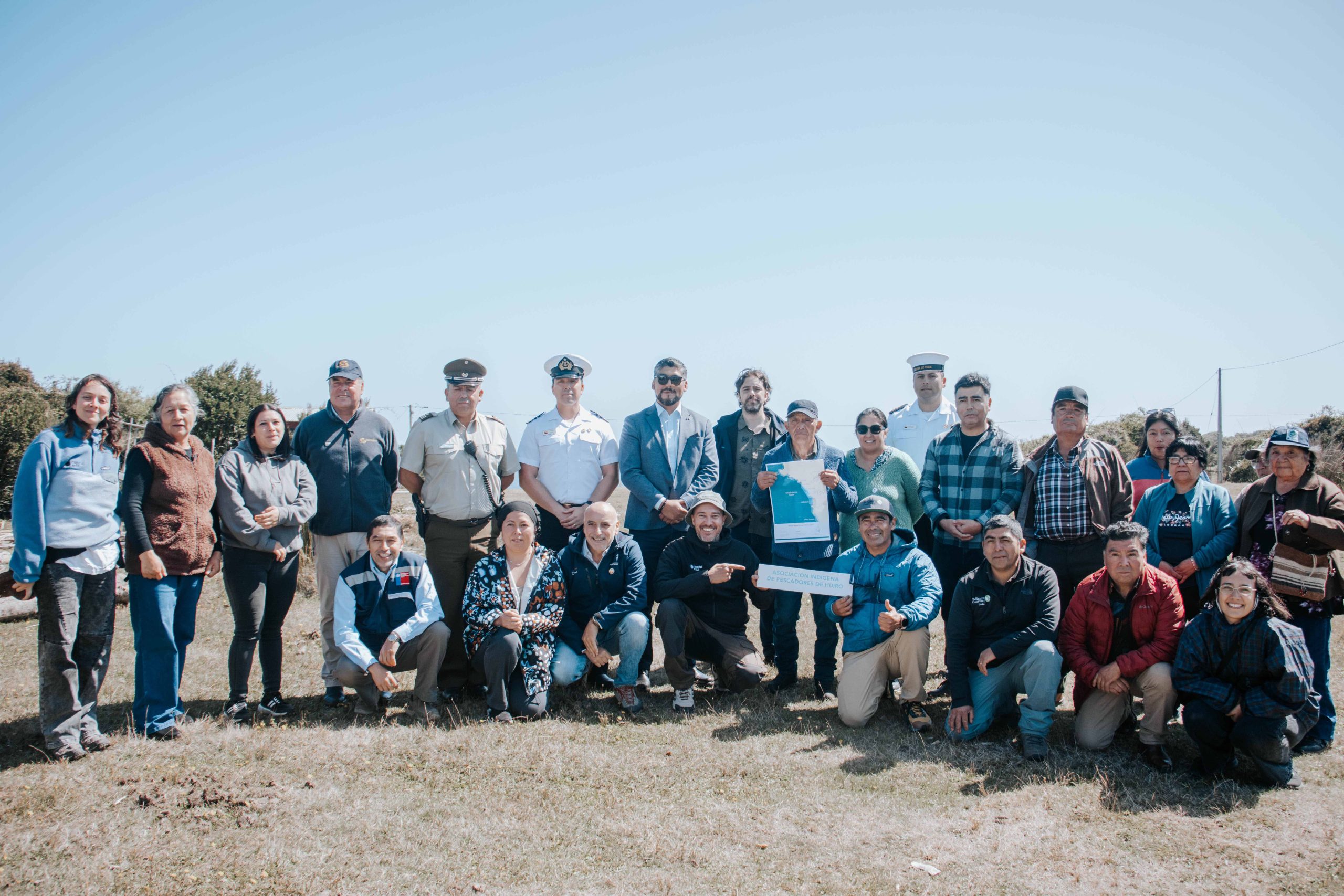
That is why the Huiro Indigenous Fishers Association made a point of inviting a range of authorities to the ceremony, as a way of securing their support and building partnerships. Attendees included Claudio González Navarro, mayor of the municipality of Corral; Rafael Hernández Vidal, regional director of Sernapesca; Nicolás Valdivia Cisternas, zonal director of the Undersecretariat of Fisheries (Subpesca) for La Araucanía and Los Ríos; Jorge Sánchez Slater, Regional Ministerial Secretary (Seremi) of Agriculture for the Los Ríos Region; Carlos Torres Silva, regional coordinator of INDESPA; First Lieutenant Claudio Villalobos Briceño, Harbor Master of Corral; and Cristián Maldonado, non-commissioned officer at the Corral police station. Guided by Don Juvenal’s wisdom, each of them stepped forward and spoke to seal, from their own position, their commitment to the Guadei TURF-Reserve.
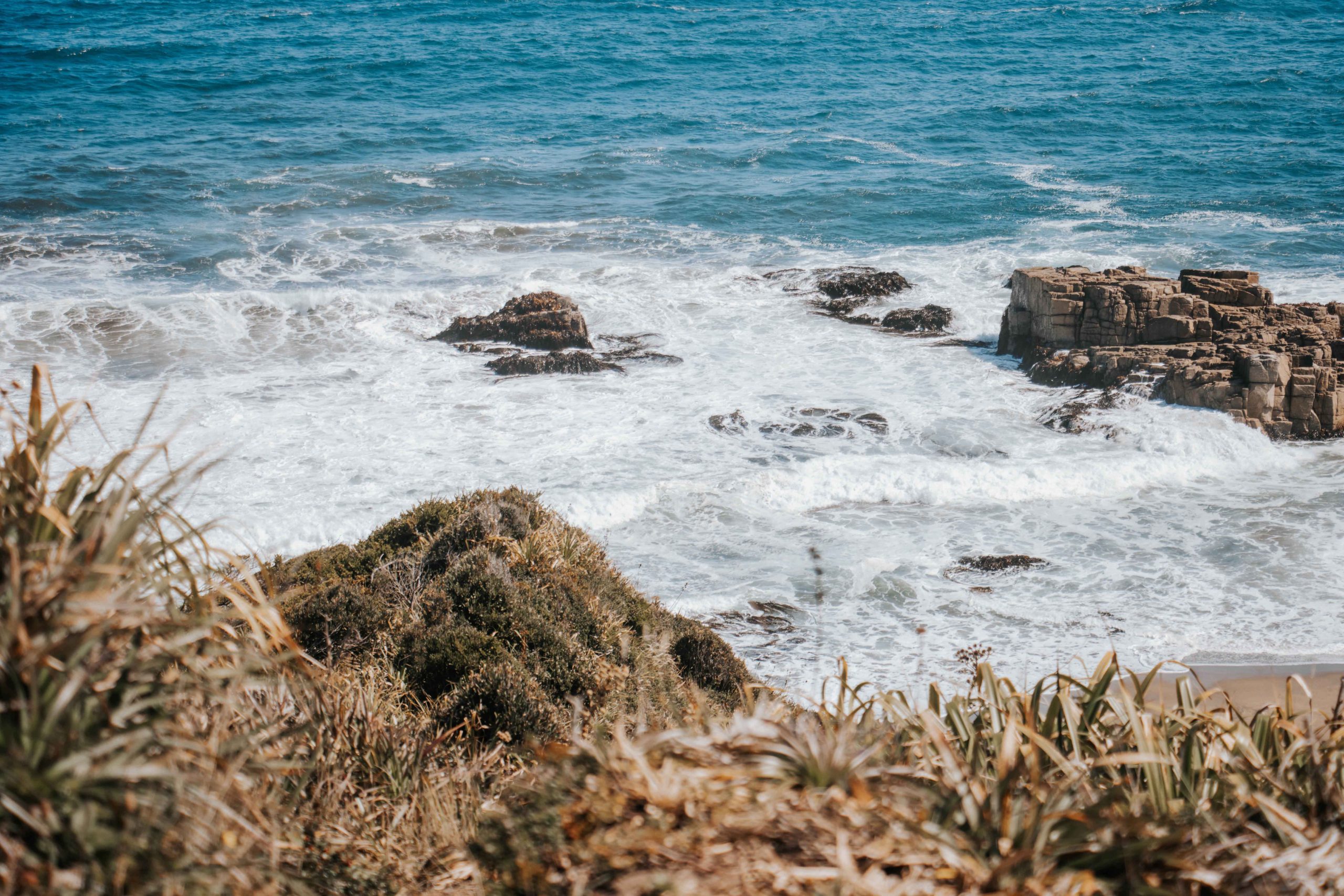
“Today we want to do this, and leave the invitation open to all fishing organizations to do the same. We know that someone has to start so that others will follow,” said Don Juvenal. Not far away, the sea seemed to roar with the ceaseless breaking of the waves.
“Some species are running out, and because of that we’ve been trying for years to protect our territory in some way. When we started learning about TURF-Reserves, they seemed like a good alternative for protection,” added Horacio Antillanca, secretary of the Huiro Indigenous Fishers Association.
Meanwhile, the mayor of Corral, Claudio González Navarro, said that “the fact that this initiative comes from the community is something I want to highlight and emphasize.” “I believe we are going to do something very powerful in the municipality of Corral and on the coast of the Los Ríos Region,” the mayor stated.
THE START OF A NEW PHASE
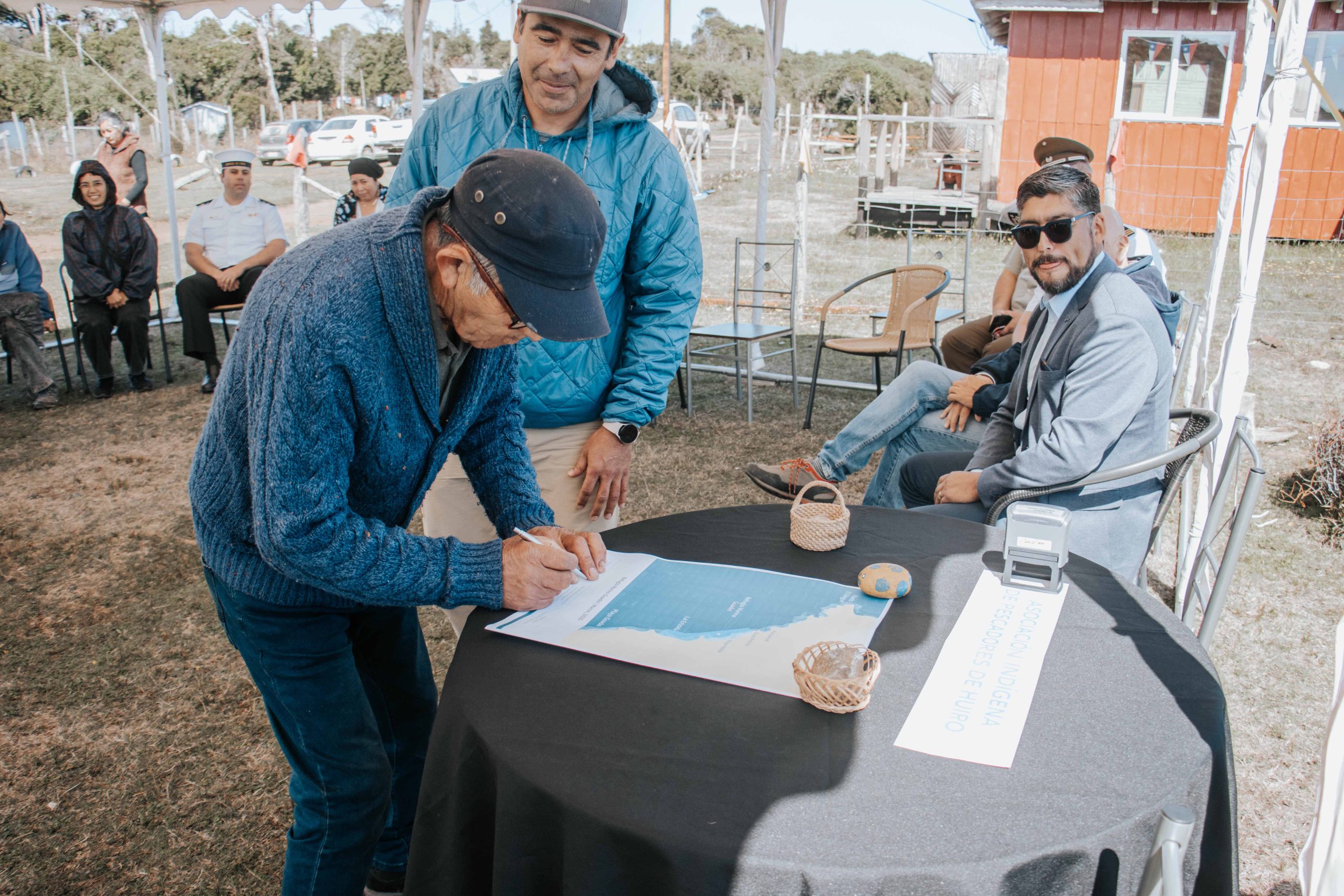
After Don Juvenal Antillanca’s speech, some of those present took part in a symbolic act of signing the map of the new Guadei TURF-Reserve, the first outside the Valparaíso Region, where Capital Azul Foundation has been working since 2016 on this science-based, community-led marine conservation model.
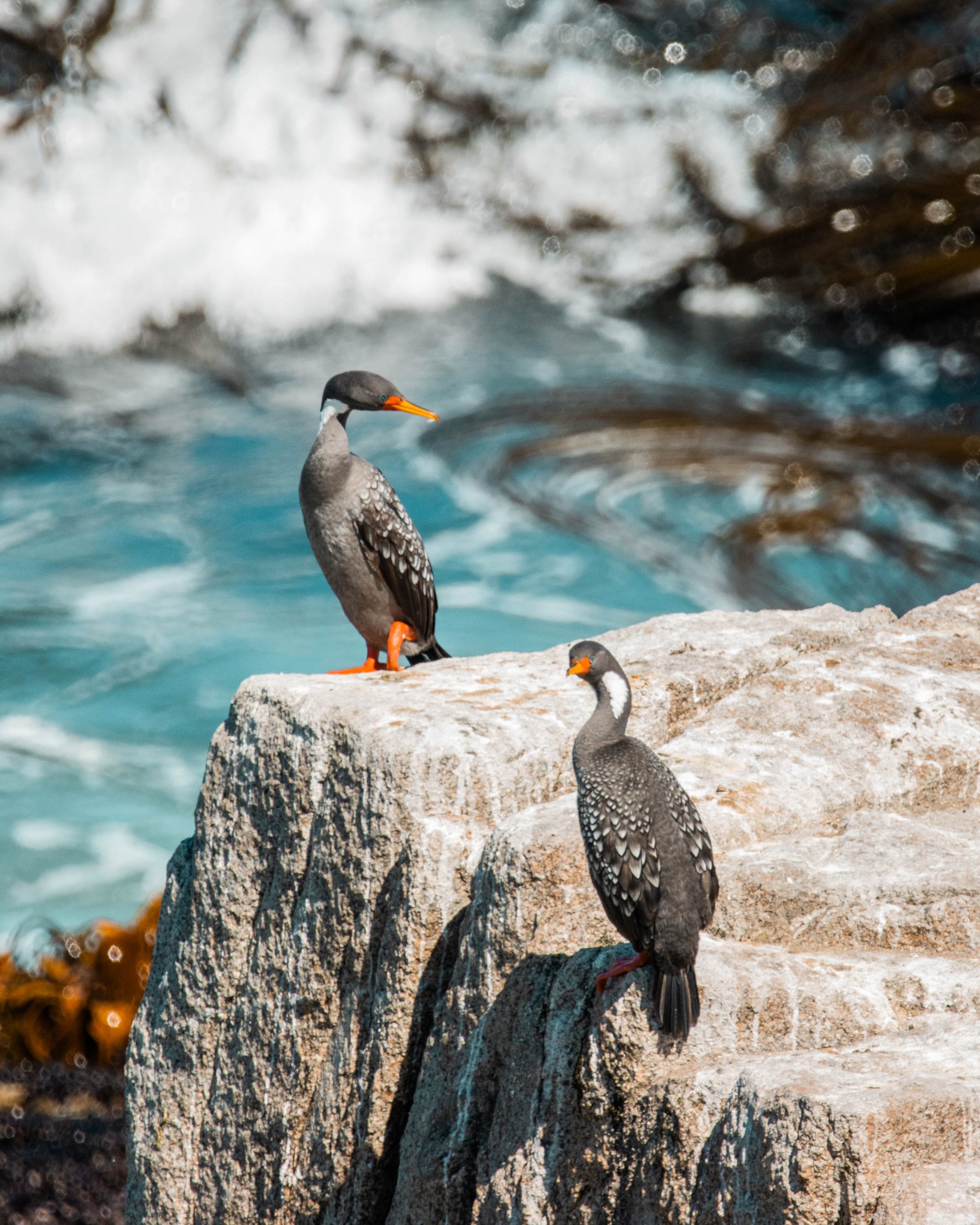
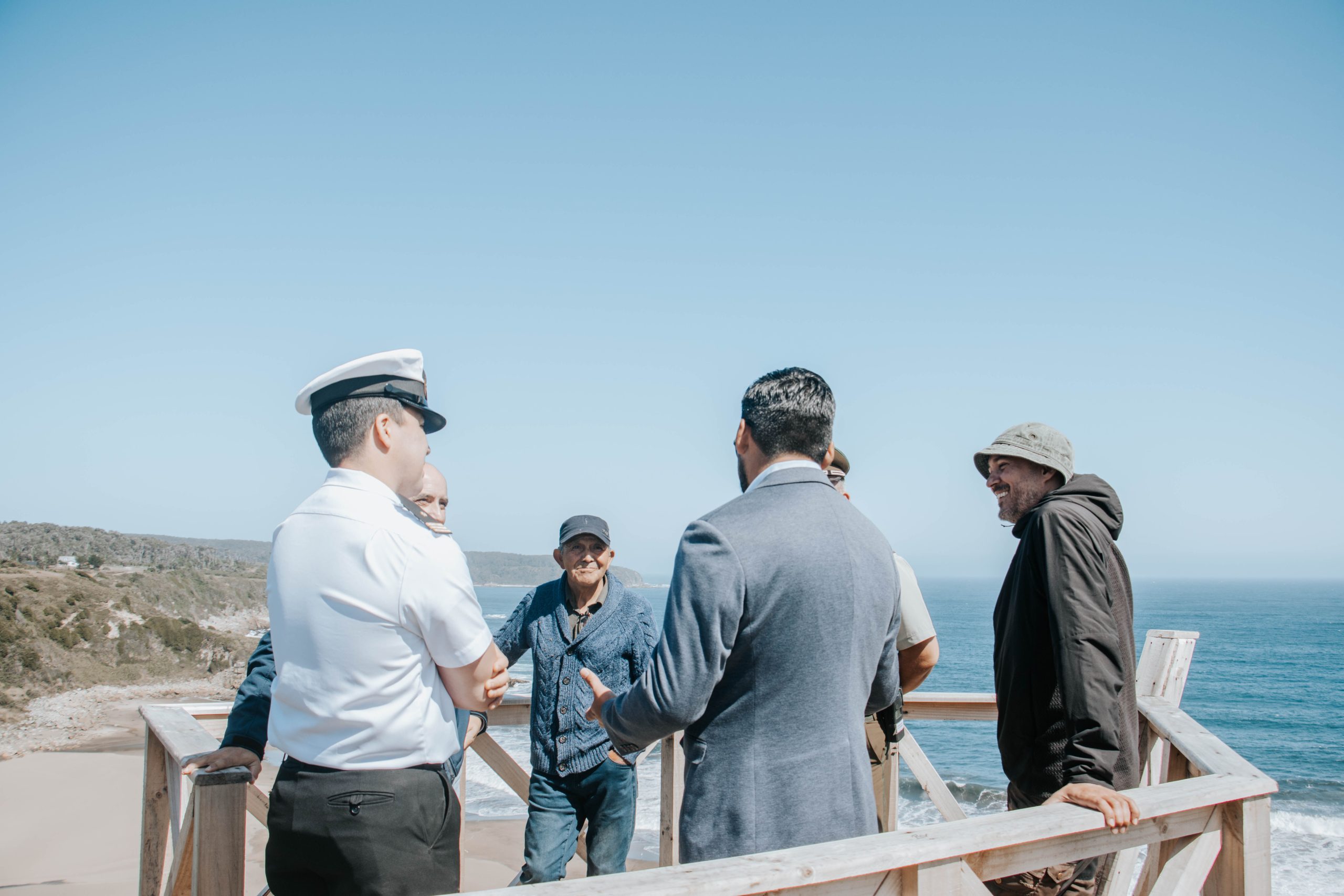
This was followed by a short walk among murta shrubs to a lookout with a privileged view of the TURF-Reserve, accompanied by the sea breeze and a cheerful group of red-legged cormorants. The day ended with a tasting of local flavors.
Natalio Godoy Salinas, head of the marine program at TNC Chile, said that “what stands out is how these marine conservation tools come from the communities themselves, which gives them a robustness that allows them to last in the medium and long term,” adding that “conceptually, the TURF-Reserve would have the advantage of being an area that produces seed stock or resources of economic interest for the communities. So, in a way, these tools aim to improve the productivity of the systems the communities depend on.”
The signing of the collaboration agreement marked the end of the co-creation phase of the Guadei TURF-Reserve, which will now begin an enabling phase involving a series of activities and new milestones, including the design and implementation of a coastal surveillance plan and biodiversity monitoring. The Guadei TURF-Reserve is expected to be officially inaugurated before the local community in the first months of 2026, thus beginning the phase of sharing this conservation area with the community.
“For us it’s a privilege to be here. What we aim for with the TURF-Reserve is for local economies to develop around this conservation area. In addition to restoring ecosystems, we believe it’s very important to offer new business opportunities around artisanal fishing and to address gender gaps as well. And we hope this will allow marine resources to be maintained and conserved for future generations,” concluded Rodrigo Sánchez Grez, Executive Director of Capital Azul Foundation.
RELATED NEWS