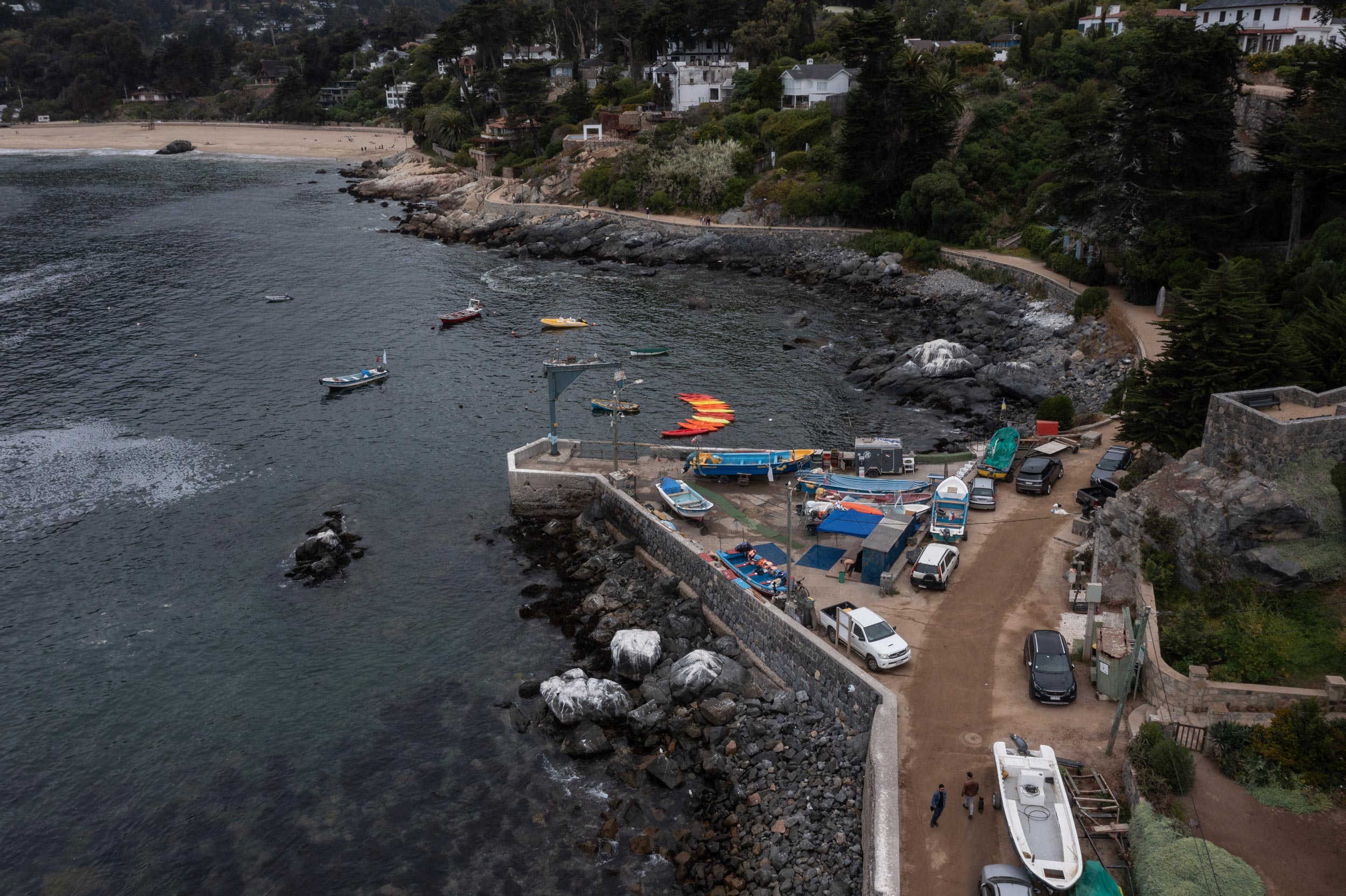
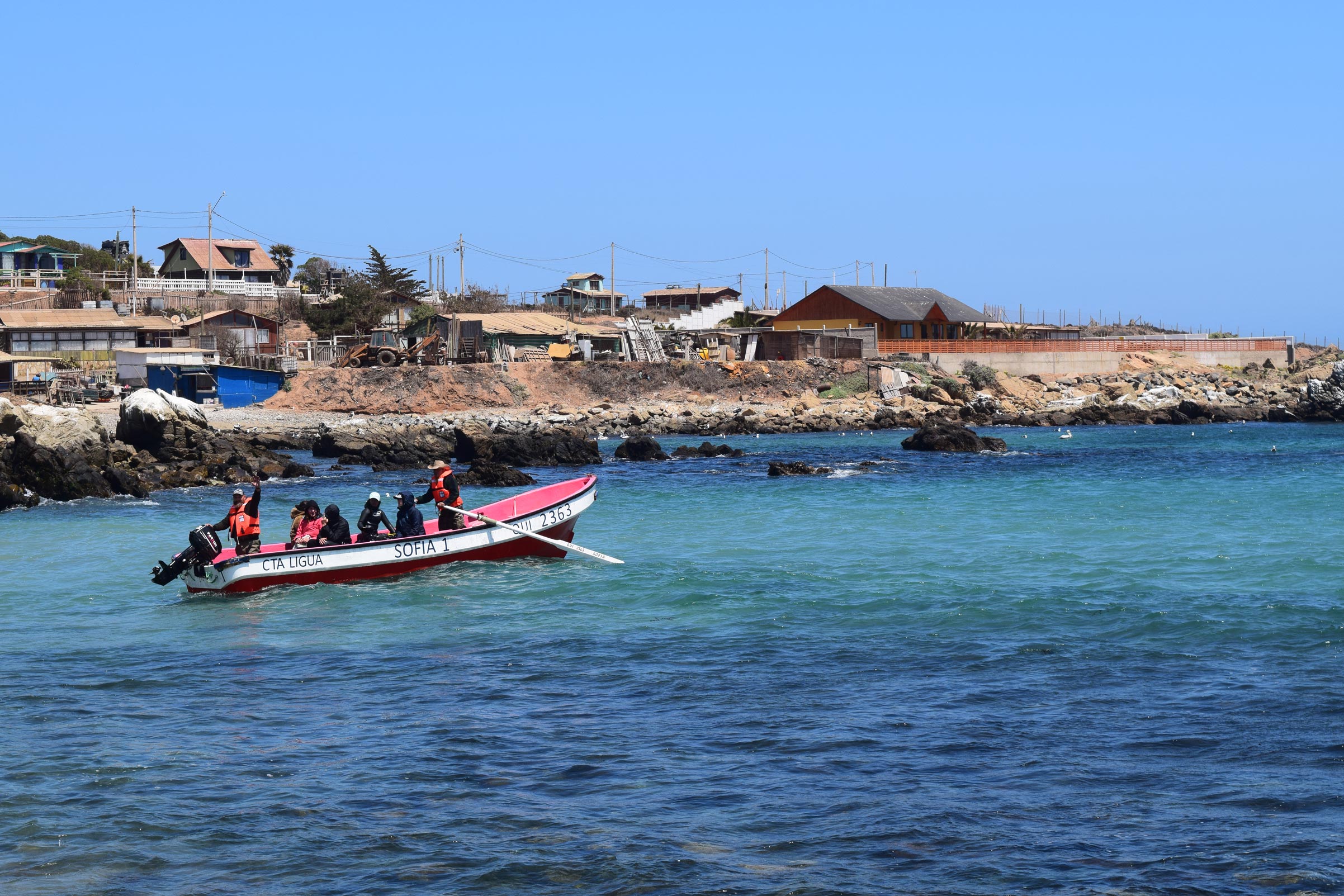
The headquarters of the Ventanas and Maitencillo Artisanal Fishers Unions hosted the 2nd International TURF-Reserves Meeting, an event organized by Capital Azul Foundation and The Nature Conservancy (TNC) Chile with the support of BHP Foundation and the SECOS Millennium Institute, and the collaboration of the artisanal fishers unions in the TURF-Reserve Program led by Capital Azul.
Recently recognized in the Benthic Law as Voluntary Protection Zones, TURF-Reserves are a conservation tool implemented within Territorial Use Rights for Fisheries (TURFs), an access regime that grants exclusive harvesting rights to artisanal fishing organizations.
For this reason, as a community-led conservation model, this Meeting was once again led by artisanal fishers from the Valparaíso and Los Ríos regions, as well as from different communities in Mexico, together with representatives of NGOs, public institutions, consulting firms and academia.
On Tuesday, November 5, the first day of the event, the focus was on the challenges of the regulatory framework and how to move forward with the implementation of Voluntary Protection Zones, in a panel discussion led by Capital Azul Foundation, representatives of the Undersecretariat of Fisheries and Aquaculture (Subpesca) and the consulting firm Bitecma.
“This year TURF-Reserves stopped being an experiment: they are now recognized by law. And the best way to make sure this tool doesn’t stay on paper is by building alliances with authorities and public services. Our challenge now is to give it strength by working together,” said Rodrigo Sánchez Grez, Executive Director of Capital Azul Foundation.

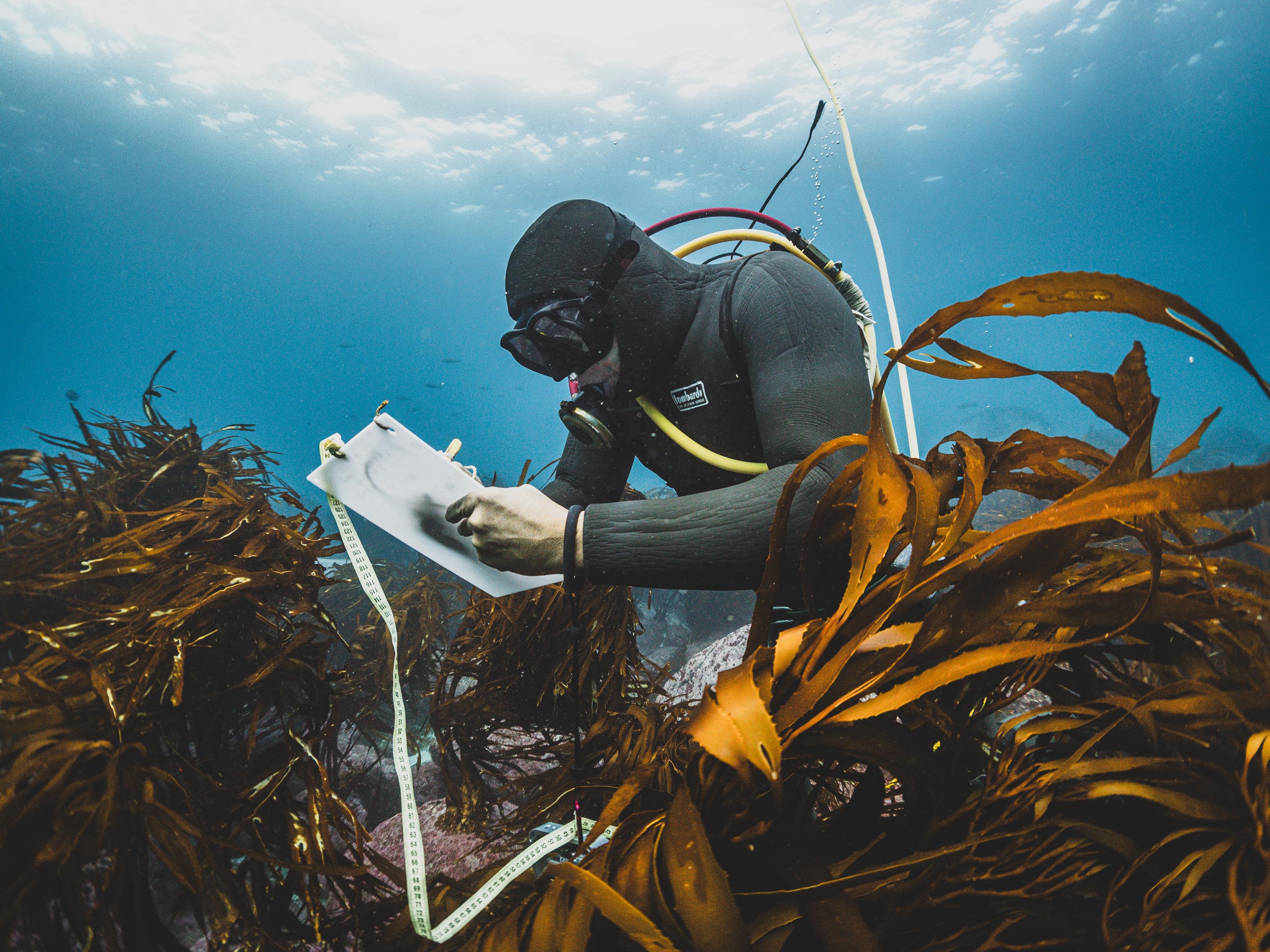
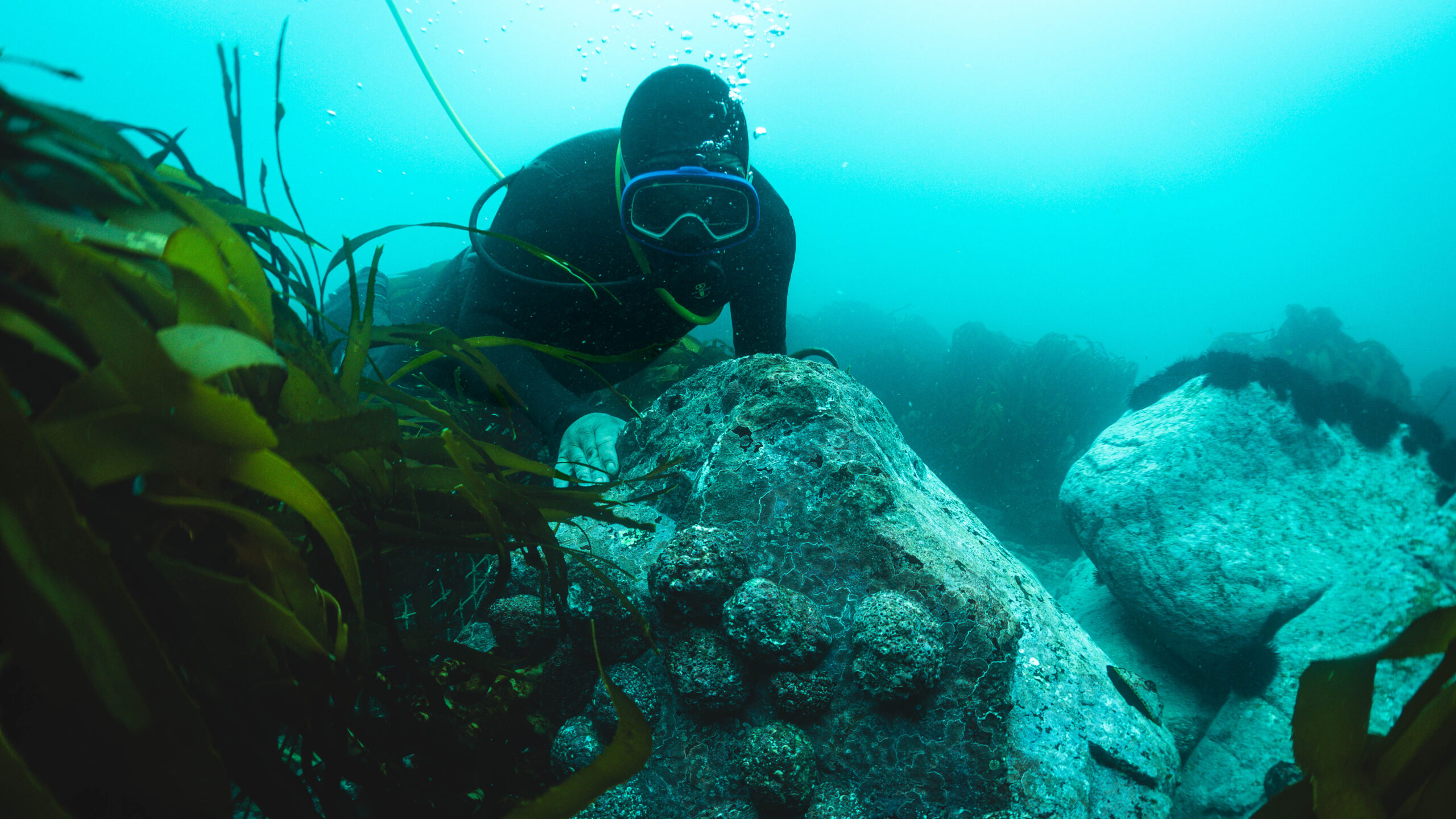
On Wednesday, November 6, the event focused on two topics. The first delved into the methodology and implications of the biodiversity monitoring carried out to measure the impact of TURF-Reserves on marine life and on the restoration of marine and coastal ecosystems. It also addressed the importance of interpreting this data to assess the scope of this management measure which, according to international experience, could generate, among other things, a spillover effect that increases productivity in the harvesting area next to the zone set aside for conservation.
“The exchange of experiences we have had has been very interesting, with the goal of strengthening the conservation of marine species,” said Eugenio Silva Pinto, a founding member of the Ventanas Artisanal Fishers Union, adding that TURF-Reserves “are a great help in increasing biomass in the TURFs and in the surrounding areas.”
The second topic addressed coastal surveillance. Through several working groups, it served as a space to gather challenges and opportunities around an issue that concerns not only TURF-Reserves but the TURF regime as a whole. Meanwhile, on Thursday, November 7, the last day of the event, the work focused on continuing to gather ideas and perspectives from the participants themselves to improve the TURF-Reserve Program in other areas.


“The exchange of experiences we have had has been very interesting, with the goal of strengthening the conservation of marine species.”
Eugenio Silva Pinto
Founding member of the Ventanas Artisanal Fishers Union

UNITED BY THE SEA
The 2nd International TURF-Reserves Meeting was marked by the presence of fishers from Mexico, from the states of Baja California Sur, Yucatán and Quintana Roo, accompanied by two members of the technical team of Comunidad y Biodiversidad (COBI), an organization that for just over two decades has promoted marine conservation and the sustainable management of fishery resources hand in hand with coastal communities, using a tool similar to the TURF-Reserves that Capital Azul Foundation has been promoting in Chile.
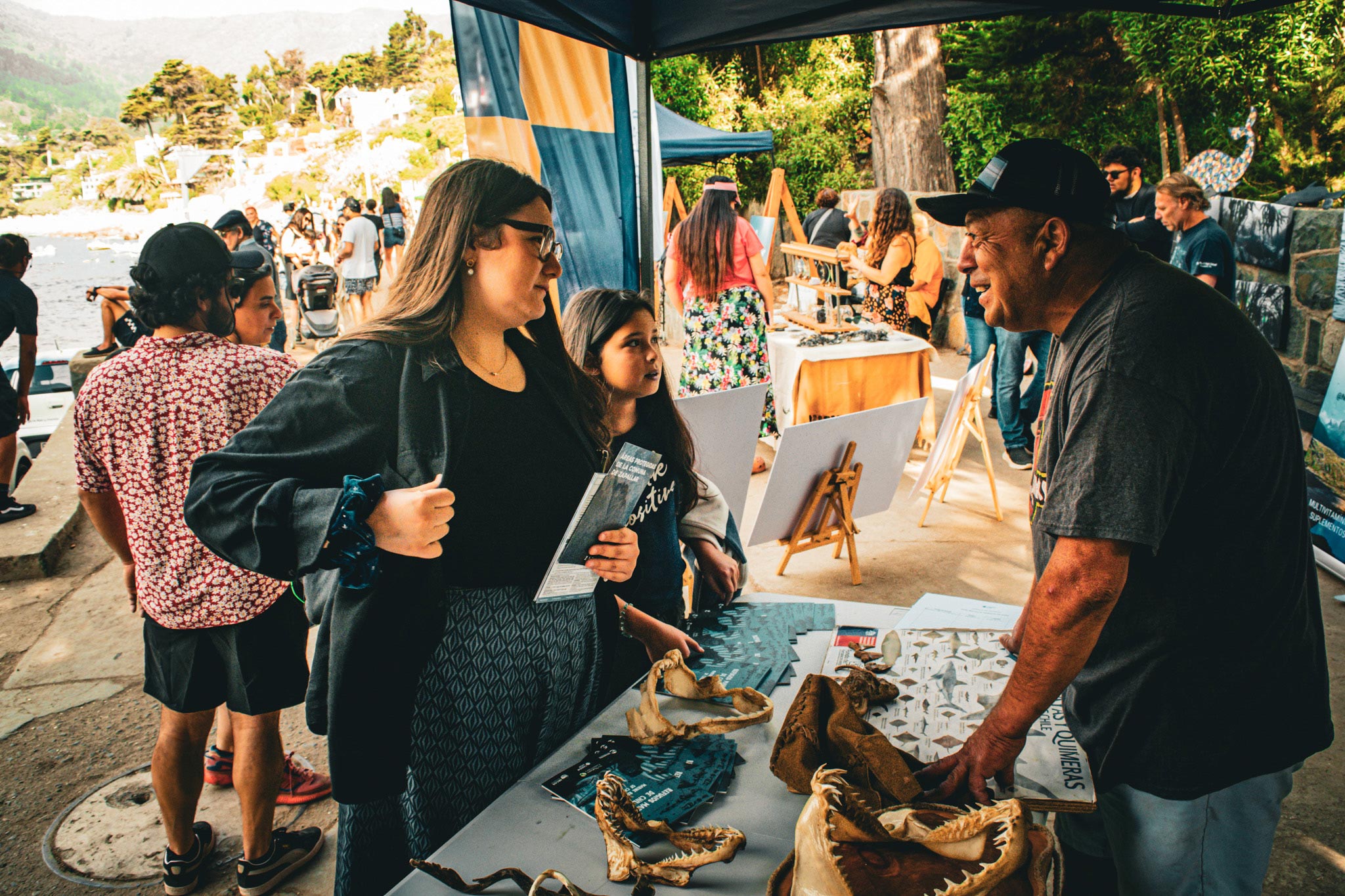
Through cabinets of marine curiosities, or stands, and several recreational activities designed to open spaces for dialogue, fishers from La Polcura, Cachagua, Maitencillo, Ventanas and Huiro were able to exchange experiences directly with their peers and with representatives of other organizations linked to artisanal fishing.
“It was a really nice experience to meet people who bring ideas and visions from other places. I’m leaving fascinated, and with the goal of spreading the word about the work we are doing with our TURF-Reserve, visiting neighborhood associations, senior citizens’ clubs and other community organizations to get them involved: that is my challenge, to spread the word and raise awareness so people care for and protect the TURF-Reserve more,” said Silvia Otárola Altamirano, a member of the La Polcura Artisanal Fishers Union, at the northern entrance to the Valparaíso Region.

Carmina Salinas Ivan, from the Emancipación Fishing Production Cooperative in the state of Baja California Sur, was hopeful about the work being done in Chile. “I feel you are on a very good path; it’s just a matter of fine-tuning certain details. Little by little, as awareness grows, fishers will become empowered through projects like this, and when they make them their own they will gain a strength that will be vital to keep their fisheries going for many more years,” she said.
“We are not only talking about benefits for fisheries but also community benefits. For this to reach future generations, it’s very important to work not only with fishers but at the community level, to create a sense of belonging to this space that everyone is caring for together. That is one of the important challenges,” added Alesa Flores Guzmán, a biologist at COBI.
Despite the distance, countries like Chile and Mexico are united by the same great ocean, and their challenges are also very similar. As an extra experience, before heading back home, the Mexican delegation was able to dive in the Ventanas TURF-Reserve to see the recovery of this marine and coastal area with their own eyes. Today, perhaps more than ever, Chile and Mexico seem united on a steady course toward marine sustainability, seeking positive impacts both for the environment and for the coastal communities that depend on the sea.


RELATED NEWS