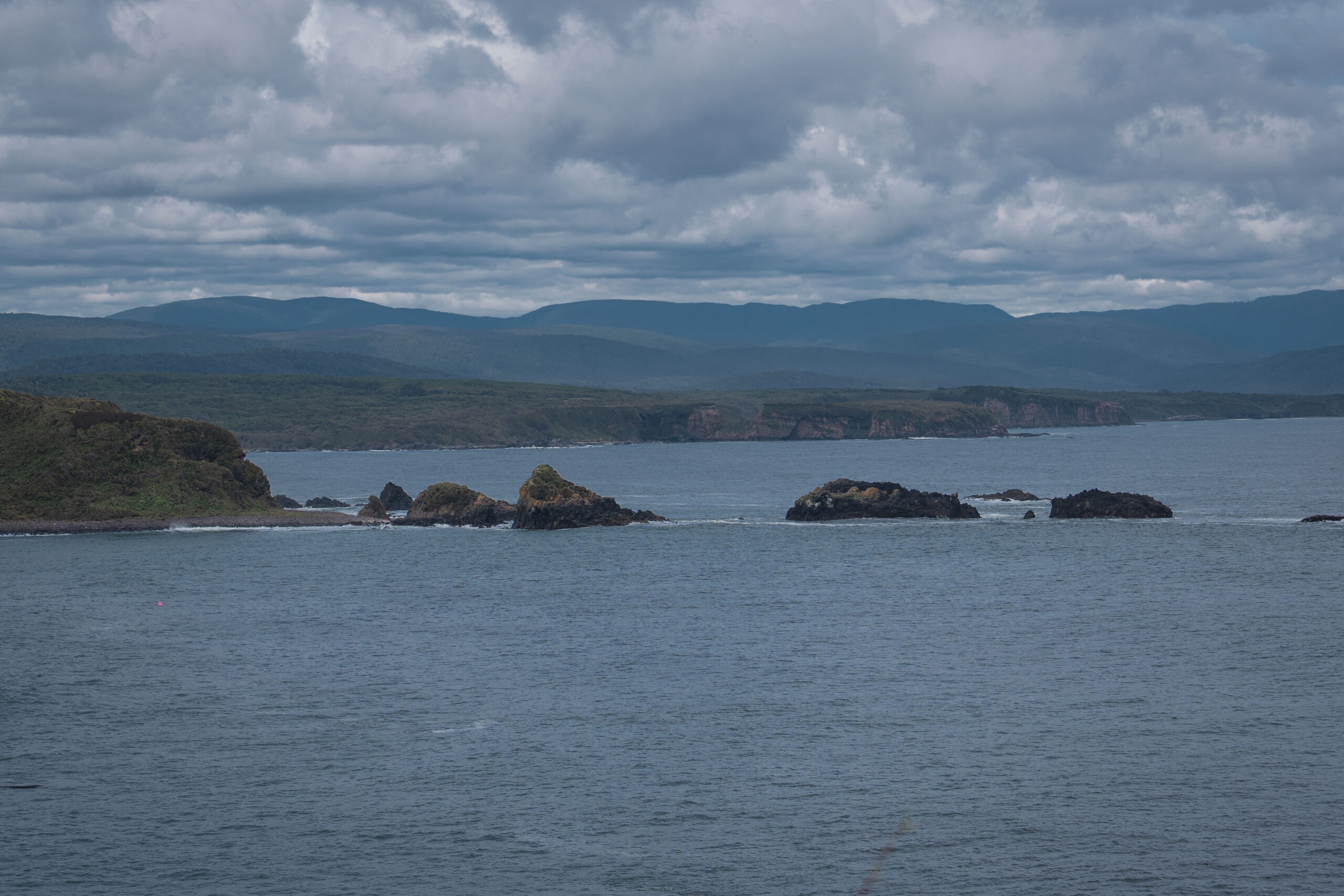
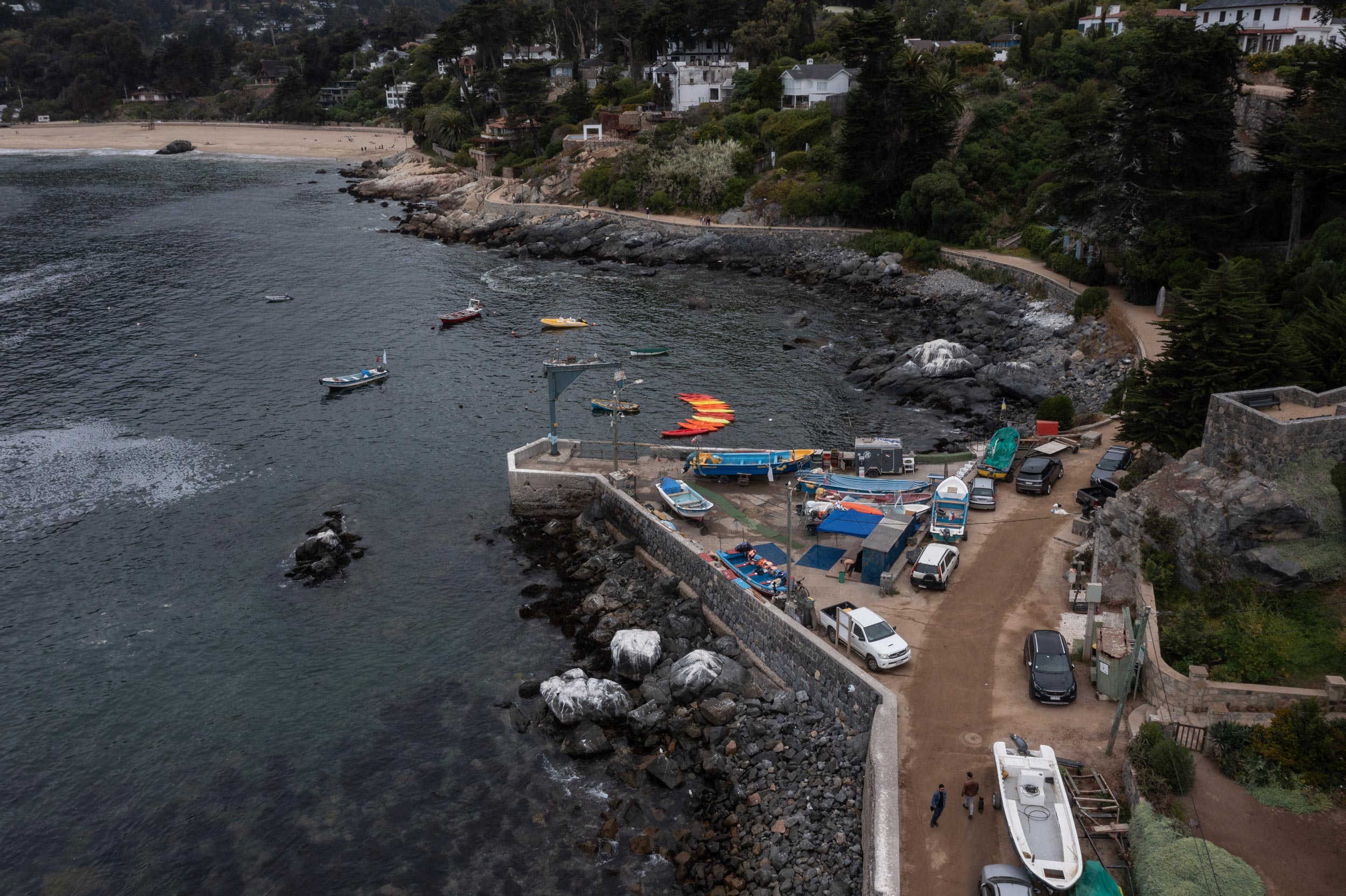
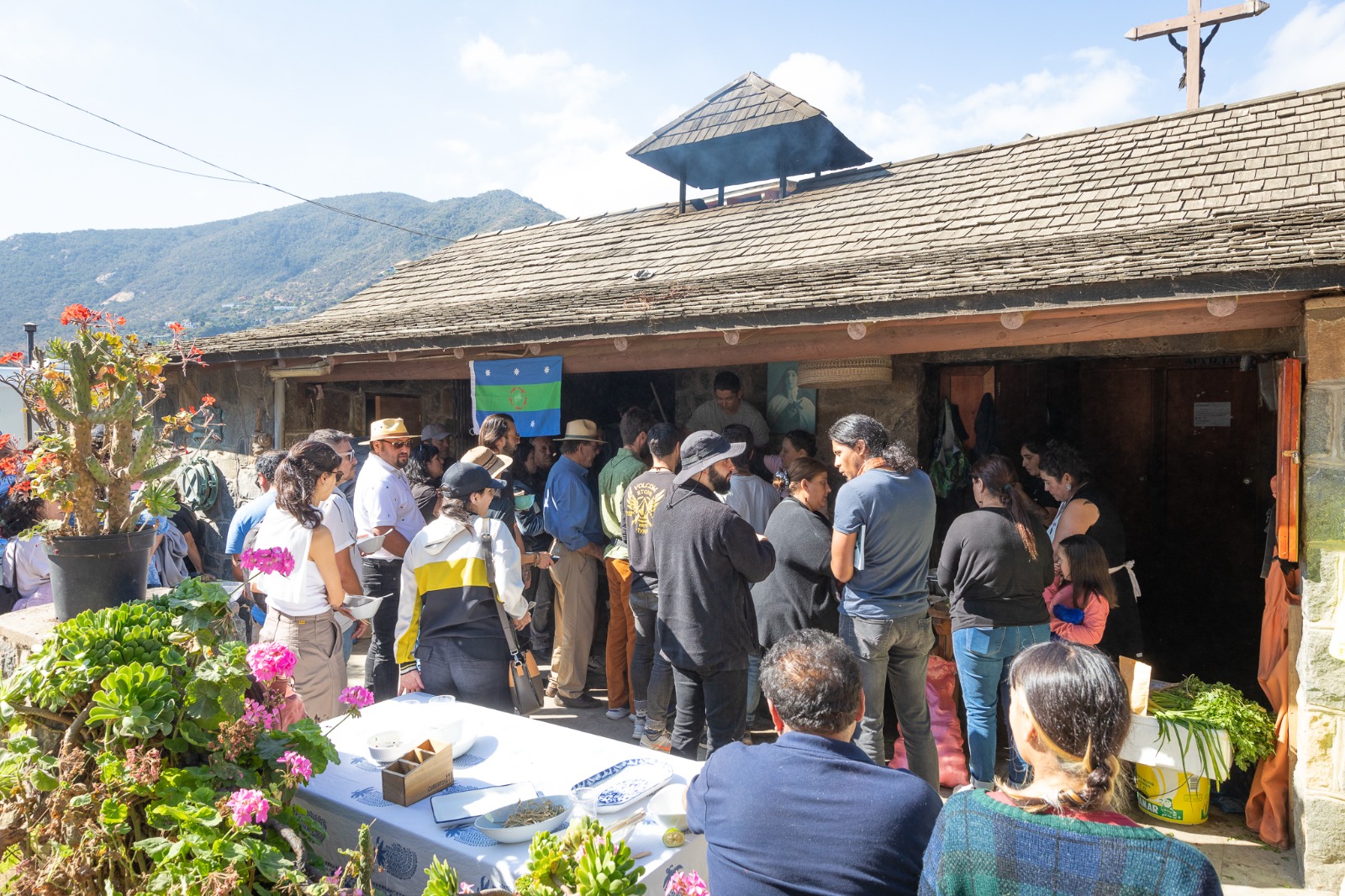
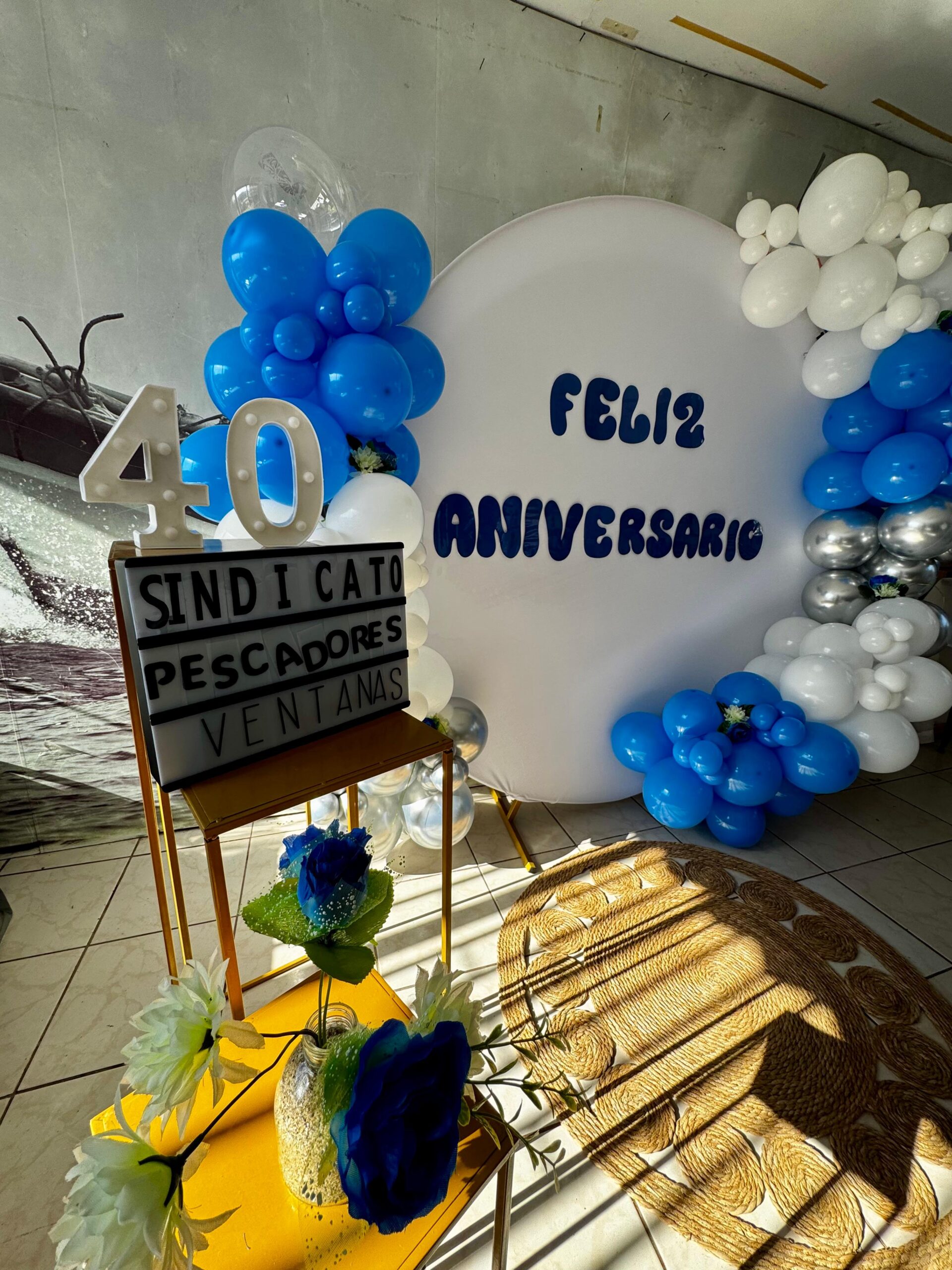
The soft light of a calm, sunny morning bathed the Cachagua coast. There was not a breath of wind and hardly a cloud on the horizon, even though just a few weeks earlier rain forecasts had threatened to derail everything. But the downpour never came, and a glorious autumn sun accompanied a day of outdoor environmental education designed to strengthen skills in environmental interpretation and coastal guiding, with a special focus on seabirds and marine mammals.
The goal? To encourage artisanal fishers who are part of Capital Azul Foundation’s TURF-Reserve program to put these skills into practice.
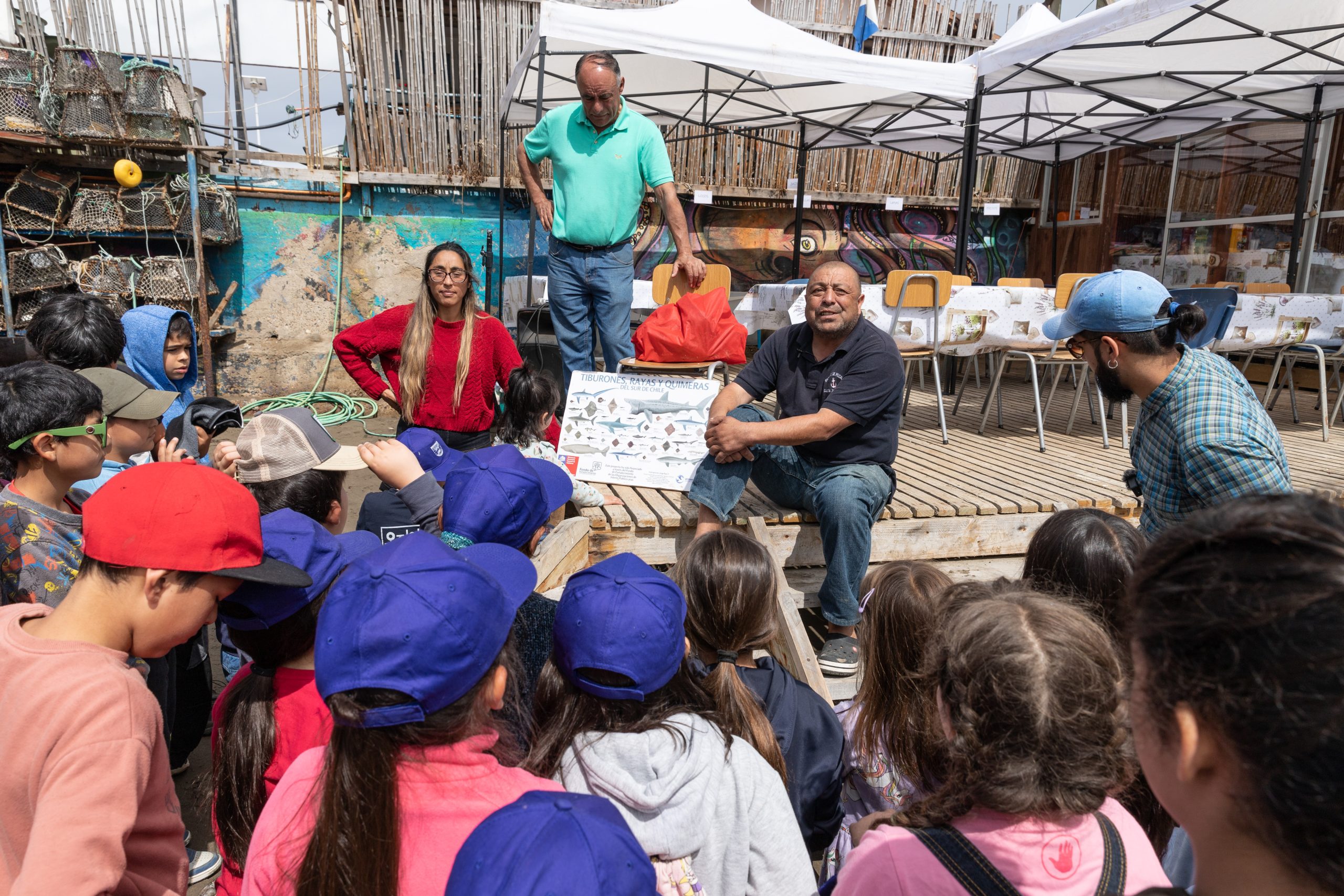
The activity, which brought together 15 representatives of the La Polcura, Cachagua and Ventanas artisanal fishing organizations, was facilitated by Carolina Yáñez Rismondo, a marine biologist, environmental educator and co-founder of Fundación Lontra. Known for her work on the Pajareando Aprendo project and her long experience as a special-interest tour guide with BirdsChile, Carolina brought a lively, charismatic personality that was essential to the energy of the day.

The art of telling the sea
With her boundless energy, Carolina led a workshop that began at the Cachagua Fishers Union headquarters with a simple but powerful icebreaker question: “What’s your favorite food?” Amid laughter, participants connected with her and her jokes, which, almost like a stand-up comedy show, won over even the most serious among them.
“Laughing is very important for these things,” explains Carolina, who admits she was surprised by the motivation and commitment the group showed throughout the workshop, as well as by the questions and critical thinking that enriched the activity.
After the presentation and the more technical part of the workshop indoors, the group headed to Playa Grande in Cachagua. It was learning by doing all the way, with methods and tips on how to guide well, using storytelling tools and effective communication, and drawing out each person’s ability to captivate tourists through interpretation of the surroundings. But it was not only a hands-on training session; it was also an exchange in which participants contributed their own knowledge and experiences.
Equipped with a monocular and binoculars, Carolina set up a playful activity on the beach: the group split up for a role-play of guides and visitors. Putting together a quick story based on the tips they had received, each person took on a role with the sea as a backdrop and received kind and constructive feedback from their peers.

Overcoming “impostor syndrome”
Next came time to learn how to use monoculars and binoculars, the importance of clothing and the visual support available in various field guides. As they put what they had learned into practice facing Isla Cachagua, a Natural Monument and Nature Sanctuary where Humboldt penguins showed off their elegant plumage, one central truth became clear: beyond the data and information provided by AI, it is a person’s honest bond with their territory that truly captivates visitors.
That direct connection with the surroundings showed that local roots are an irreplaceable asset that can make all the difference in building a genuine story. That is why it was also key to integrate each participant’s knowledge, experiences and ties to their place of origin into the design of the activity.


“Artisanal fishers are among those who know their sea territories best. There is a whole wealth of knowledge, experiences, emotions and meanings that comes precisely from living and relating to the place every day.”
Javiera Espinoza Jara
Environmental Education Lead, Capital Azul Foundation
Throughout her career teaching workshops and courses to diverse audiences, Carolina Yáñez explains that she often runs into the classic “impostor syndrome.” This insecurity works against people when it comes to telling the most compelling things about a place, the ones that can turn a dull tour into a memorable experience.
Carolina stressed that fishers do not need to memorize other people’s content, but rather value their own story: “Often people think they don’t know anything or don’t have interesting things to say. It’s an insecurity deeply rooted in human beings. But the most valuable thing they have is precisely their own stories, those outings with their grandparents when they were kids. The facts aren’t what’s interesting; telling their own stories is what brings them closer to people. That human side is what takes on special meaning.”

Boosting sustainable local economies
This day of learning was a step forward for artisanal fishing organizations to gradually begin building a sustainable local economy. By bringing the protection of their TURF-Reserves together with environmental education and the interpretation of biocultural memory, communities are moving toward diversifying their sources of income at the community level.
“This workshop gave us recommendations and things that were completely new to us, which open our minds so we can apply and improve what we already had. The energy Carolina brings to her work really helped us reflect on how to present our TURF-Reserve and our TURF,” said Cristóbal Molina, from the Cachagua Fishers Union.
Jazmine Durán, from the Ventanas Fishers Union, said: “I thought the workshop was amazing. It was really useful because it opens up a range of possibilities related to tourism and what we can show visitors who come to our town.”

Carolina’s warmth and charisma drew applause, especially for the friendly and entertaining way she shared her experience and advice.
“We learned a lot from her. Together with Javiera they gave us a really good workshop that is very useful for us. It was a lovely opportunity to learn techniques to apply in our TURF-Reserve and to guide our visitors better. Activities like this leave valuable lessons, and we hope we can keep taking part in workshops like these.”
Luis Oyanedel
La Polcura Fishers Union
At the end of the day, the fishers left full of energy and with a portfolio of new ideas to implement in their respective Voluntary Protection Zones, showing that caring for the ocean and community development go hand in hand.
RELATED NEWS