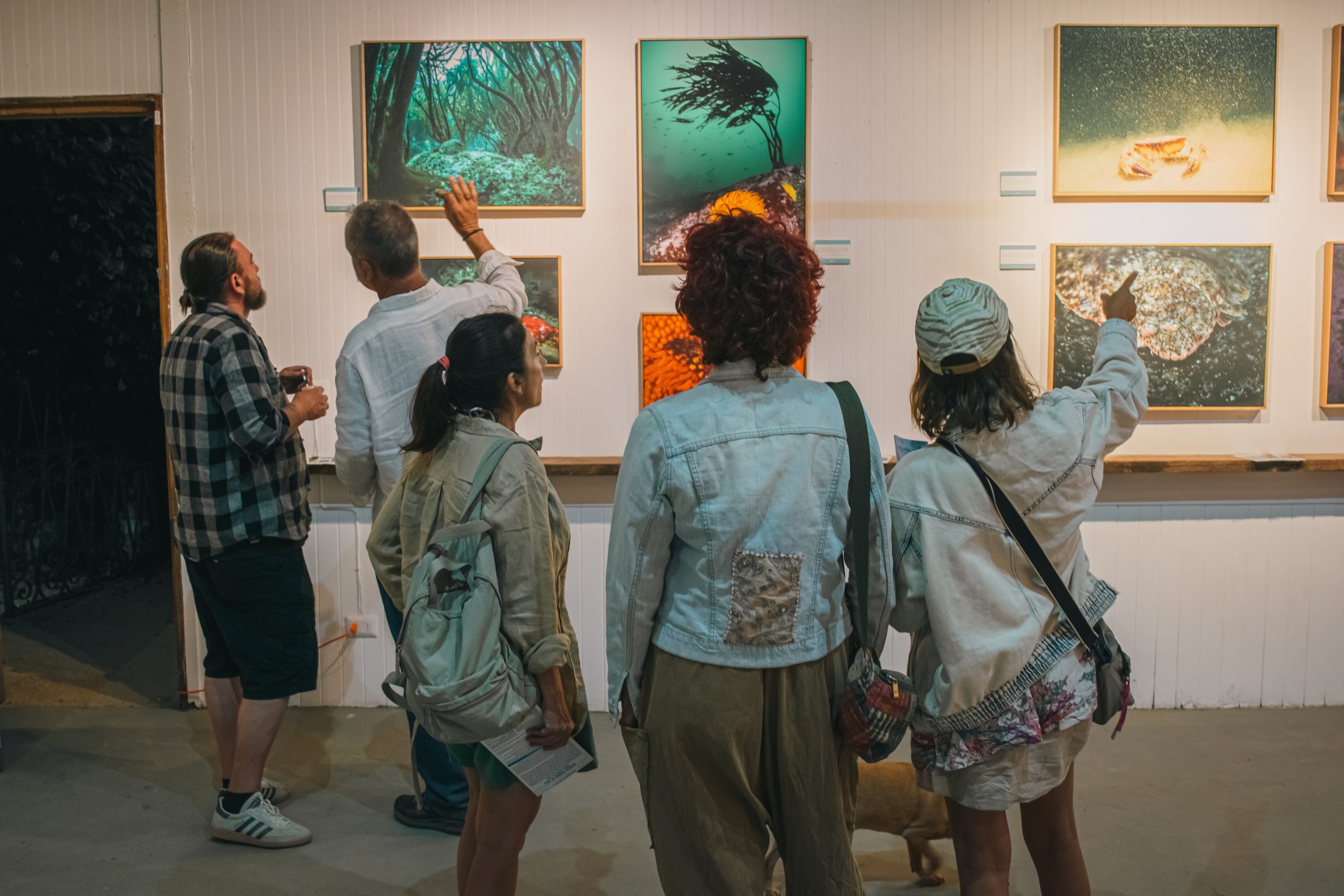
“Discovering TURF-Reserves” is the title of the traveling photo exhibition that this summer will visit several fishing coves and towns in the northern Valparaíso Region, inviting people to dive into the beauty hidden beneath the waves.
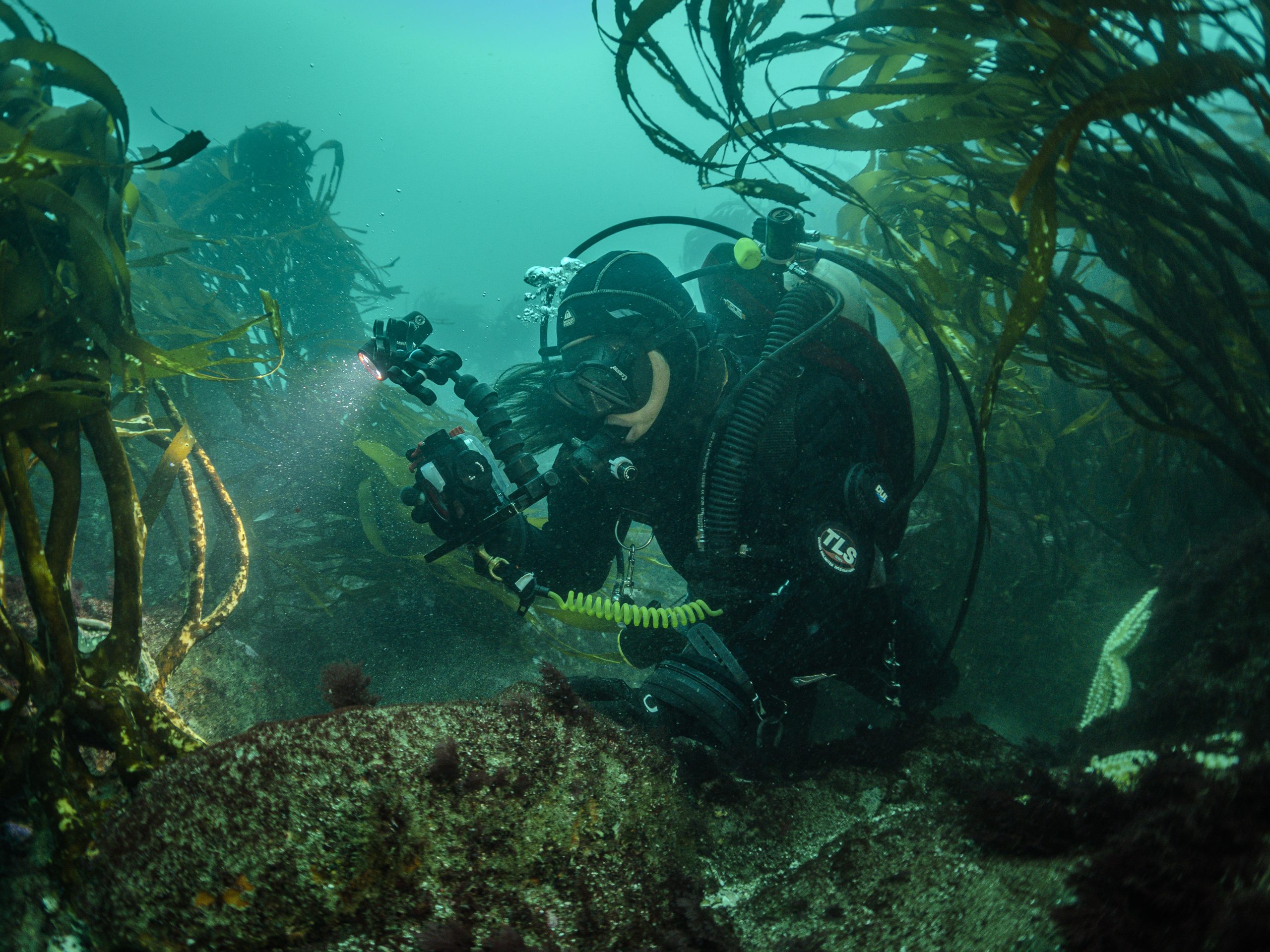
The activity, organized by Capital Azul Foundation with support from BHP Foundation, brings together some of the best photographs captured during an underwater photo and video gathering that, in late 2024, brought together a talented group of 15 underwater photographers to document the biodiversity of TURF-Reserves, which are Voluntary Protection Zones established by artisanal fishing organizations within their TURFs (Territorial User Rights for Fisheries, known in Chile as AMERB).
The exhibition seeks to open a unique window onto the vibrant biodiversity of the Valparaíso Region’s coast, underwater landscapes that usually remain invisible to the naked eye and that, under the leadership of artisanal fishers, are flourishing again for the benefit of marine life and local communities.
“This photo exhibition is much more than an art show; it is the visual testimony of a paradigm shift on the Chilean coast. Through the lens of these talented photographers, we are able to show what fishers in La Polcura, Zapallar, Cachagua, Maitencillo and Ventanas have decided to protect with such conviction. TURF-Reserves show that when local communities lead science-based conservation, life springs back strongly, generating real benefits both for biodiversity and for the livelihoods of the families who depend on the sea,” said Rodrigo Sánchez Grez, Executive Director of Capital Azul Foundation.
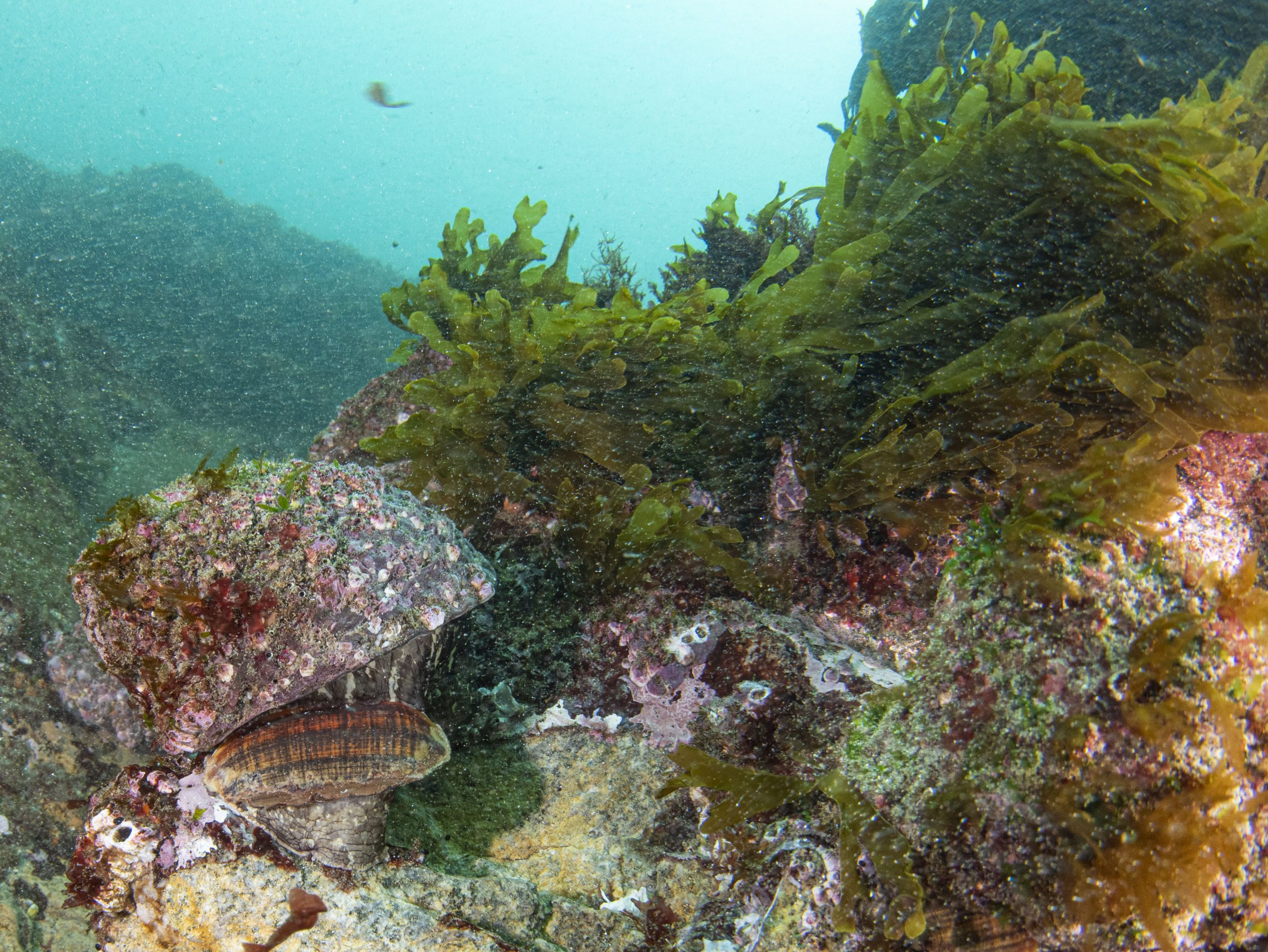
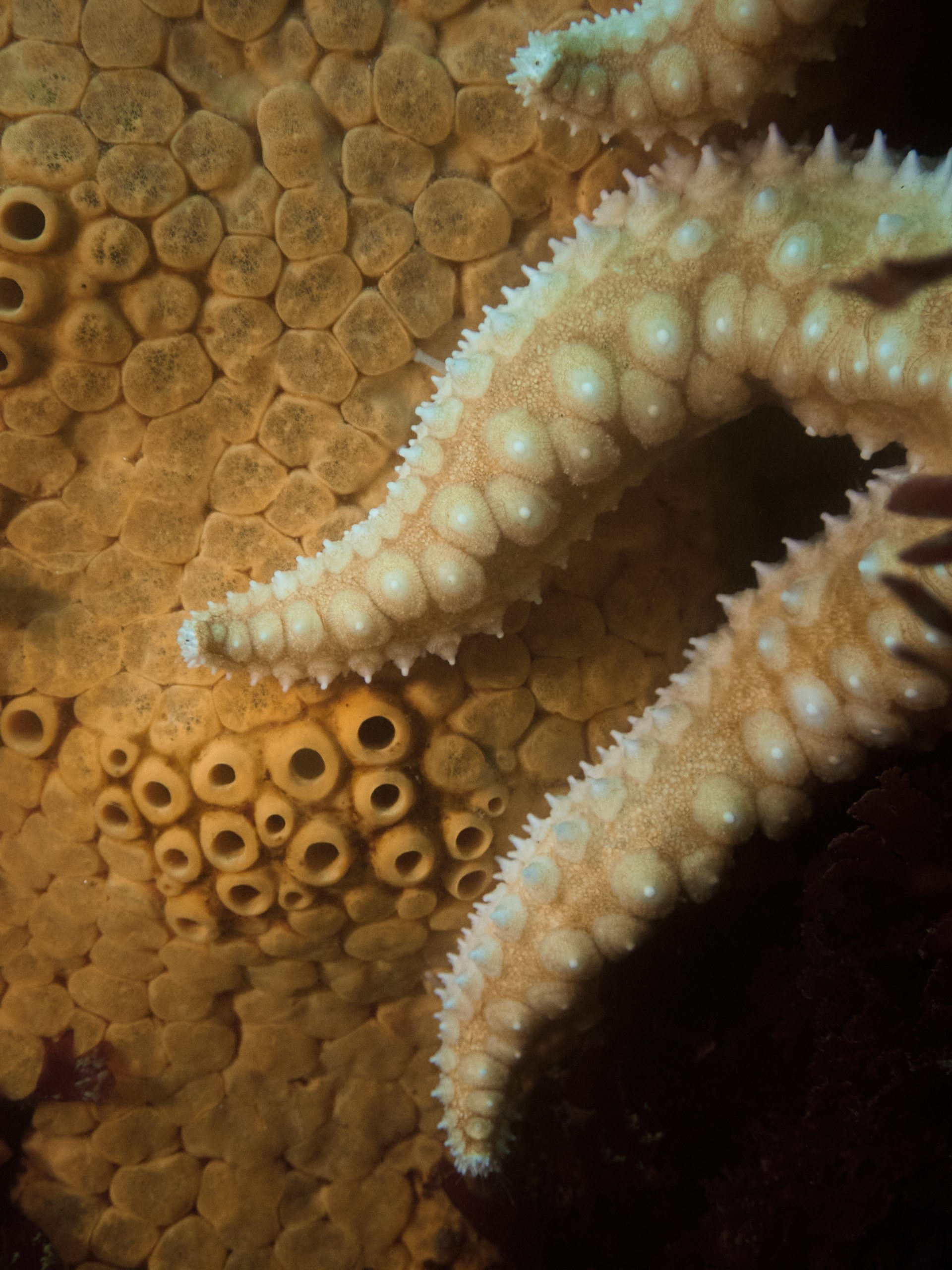
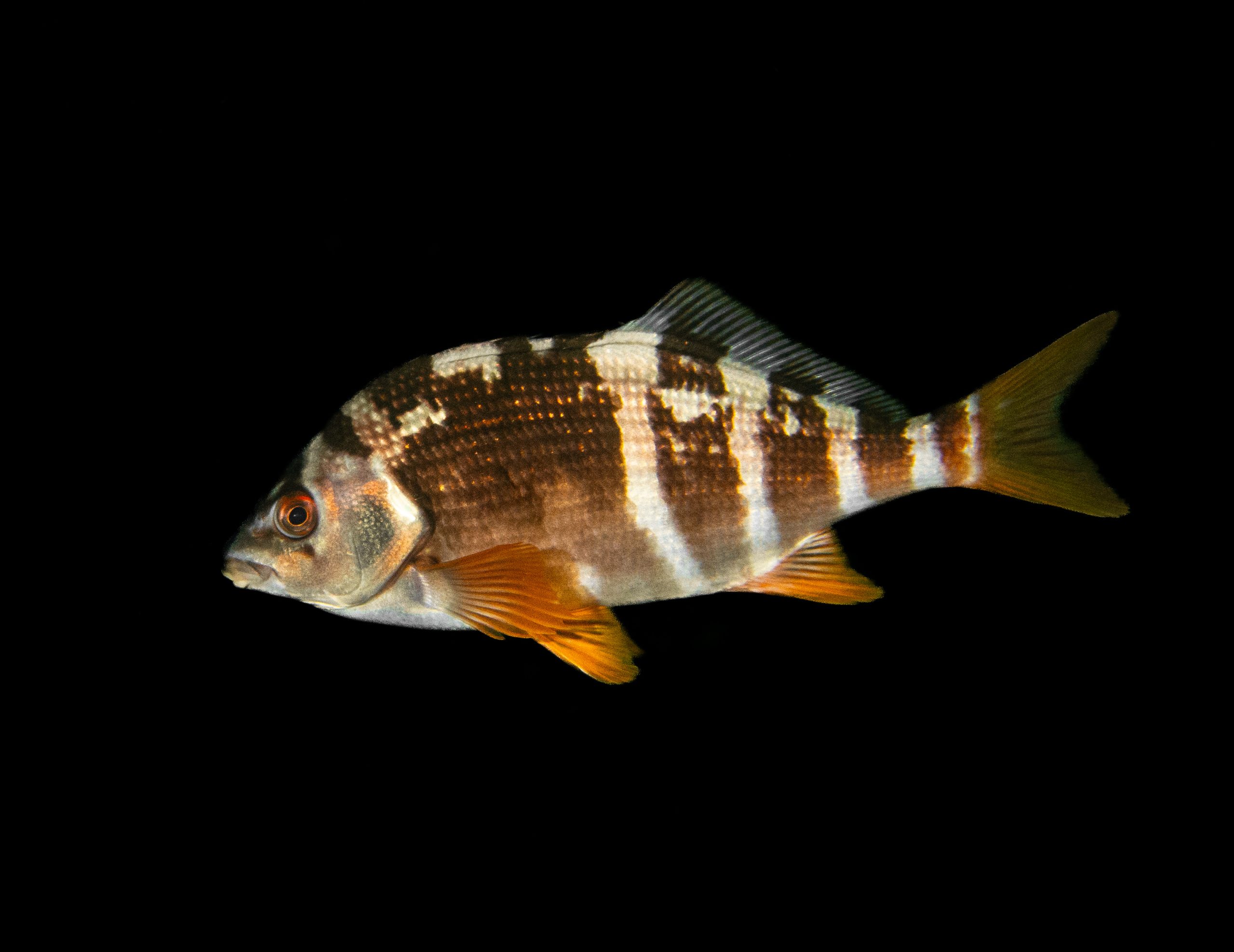
Curious rockfish, swaying kelp forests and colorful invertebrates are the results beginning to appear thanks to the protection of TURF-Reserves, which safeguard key ecosystem services for communities. Whether acting as refuges for species to breed and grow or as places that help provide jobs and food, these Voluntary Protection Zones offer many benefits that contribute to human well-being.
These areas do not only protect; they work as “natural nurseries” whose overflow improves the productivity of nearby fishing and harvesting areas (through the spillover effect), directly benefiting the local economy.
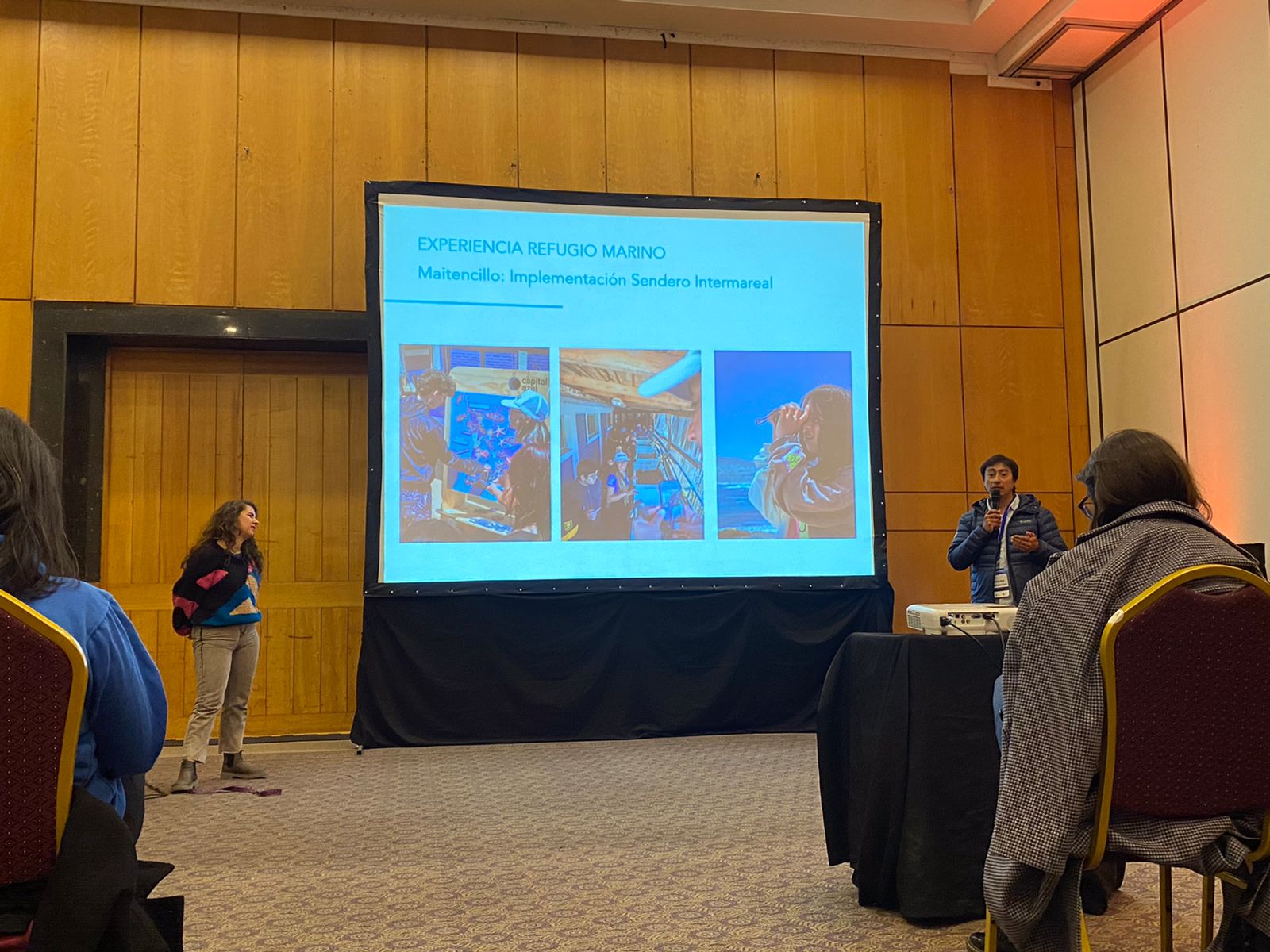
This co-management effort, which we are now celebrating through art, is already reaching south, with work underway with the Huiro Indigenous Fishers Association and The Nature Conservancy (TNC) Chile in the Los Ríos Region to establish the first TURF-Reserve outside central Chile.
The first stop of this traveling photo exhibition will be on Saturday, January 3, at 7 p.m. at the Zapallar fishing cove, which will also host a panel discussion on underwater photography with some of the photographers who captured the images, including Sebastián Durán, Cecilia Leyton and José Tomás Yakasovic, the 2021 world underwater photography champion.
Then, on Saturday, January 10, at 11 a.m., it will be the turn of the Maitencillo fishing cove, and on Friday, January 30, at 5 p.m., the exhibition will be at the La Polcura fishing cove in La Ballena. To close the summer season, the exhibition will open at Espacio Zinc, in Laguna de Zapallar, on Saturday, February 7, at 7:30 p.m., where it will remain until Sunday, March 1.
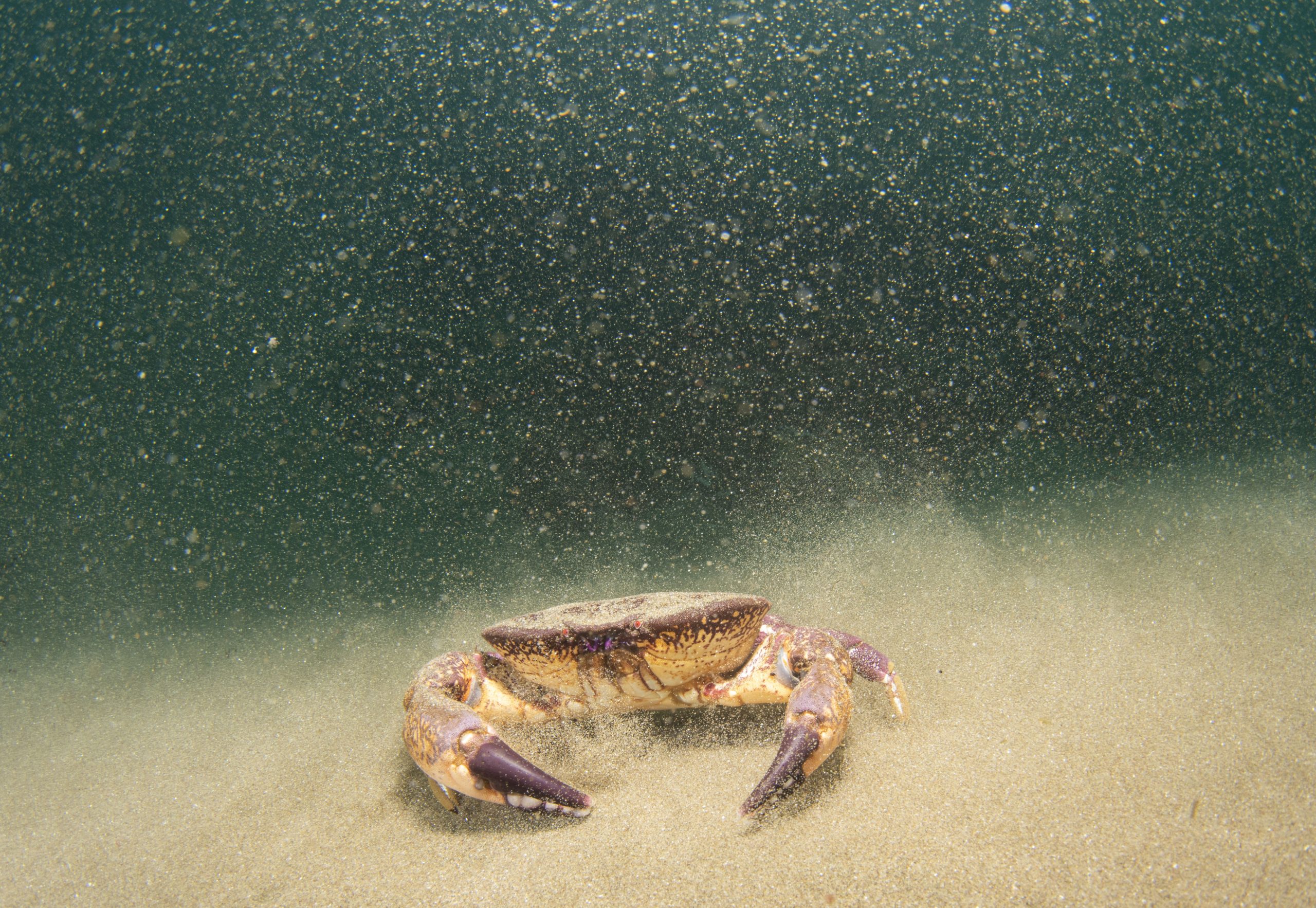
These images aim to serve as a bridge, connecting what happens underwater with those of us on the surface and inviting us to value the essential role artisanal fishers play not only as food providers, but as guardians of the biodiversity and ecosystems we all depend on.
Photo exhibition schedule
- January 3: Zapallar fishing cove.
- January 10: Maitencillo fishing cove.
- January 30: La Polcura fishing cove (La Ballena), 5 p.m.
- February 7 to March 1: Espacio Zinc, Laguna de Zapallar. Opening on Saturday, February 7, at 7:30 p.m.
RELATED NEWS