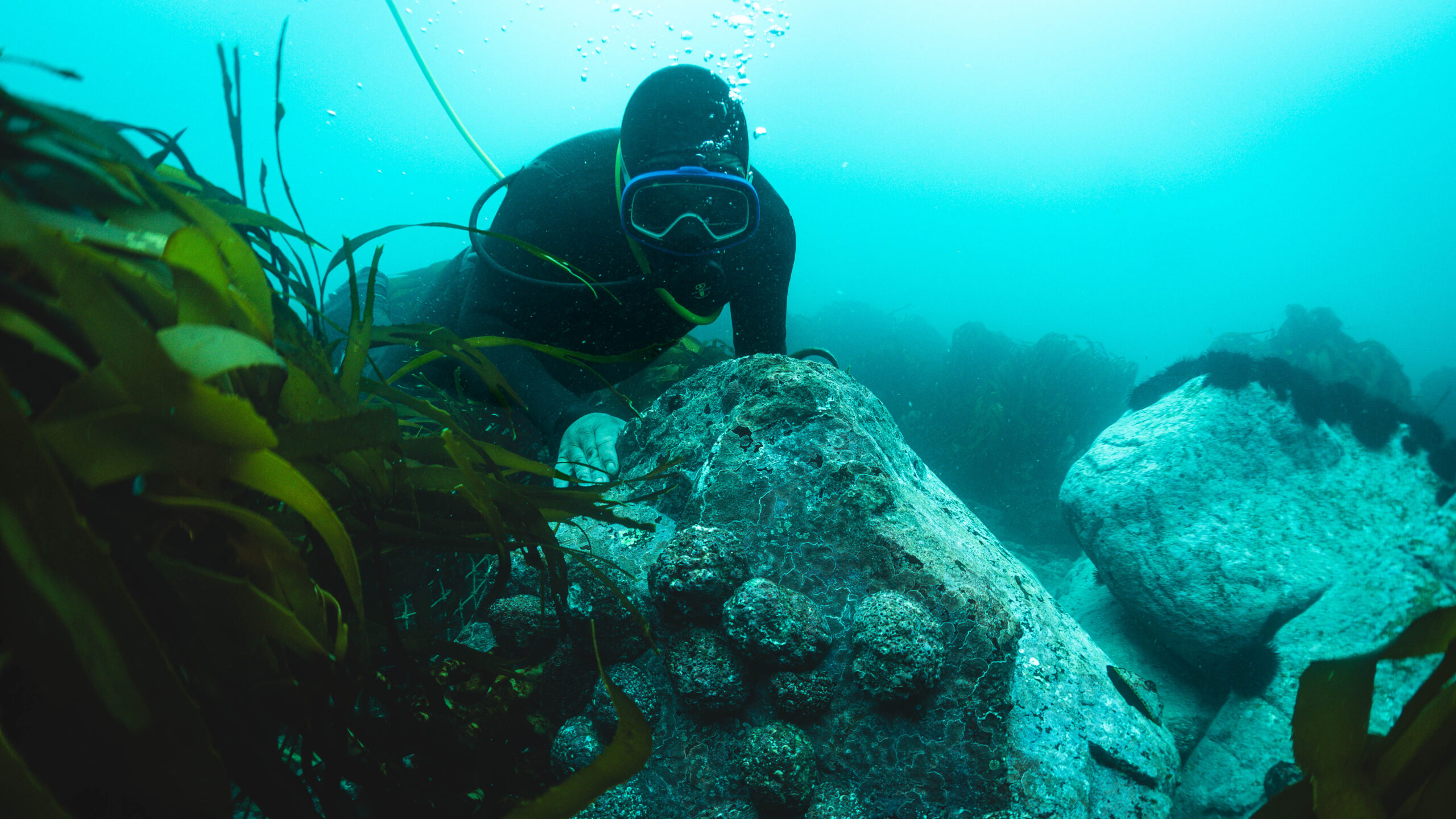
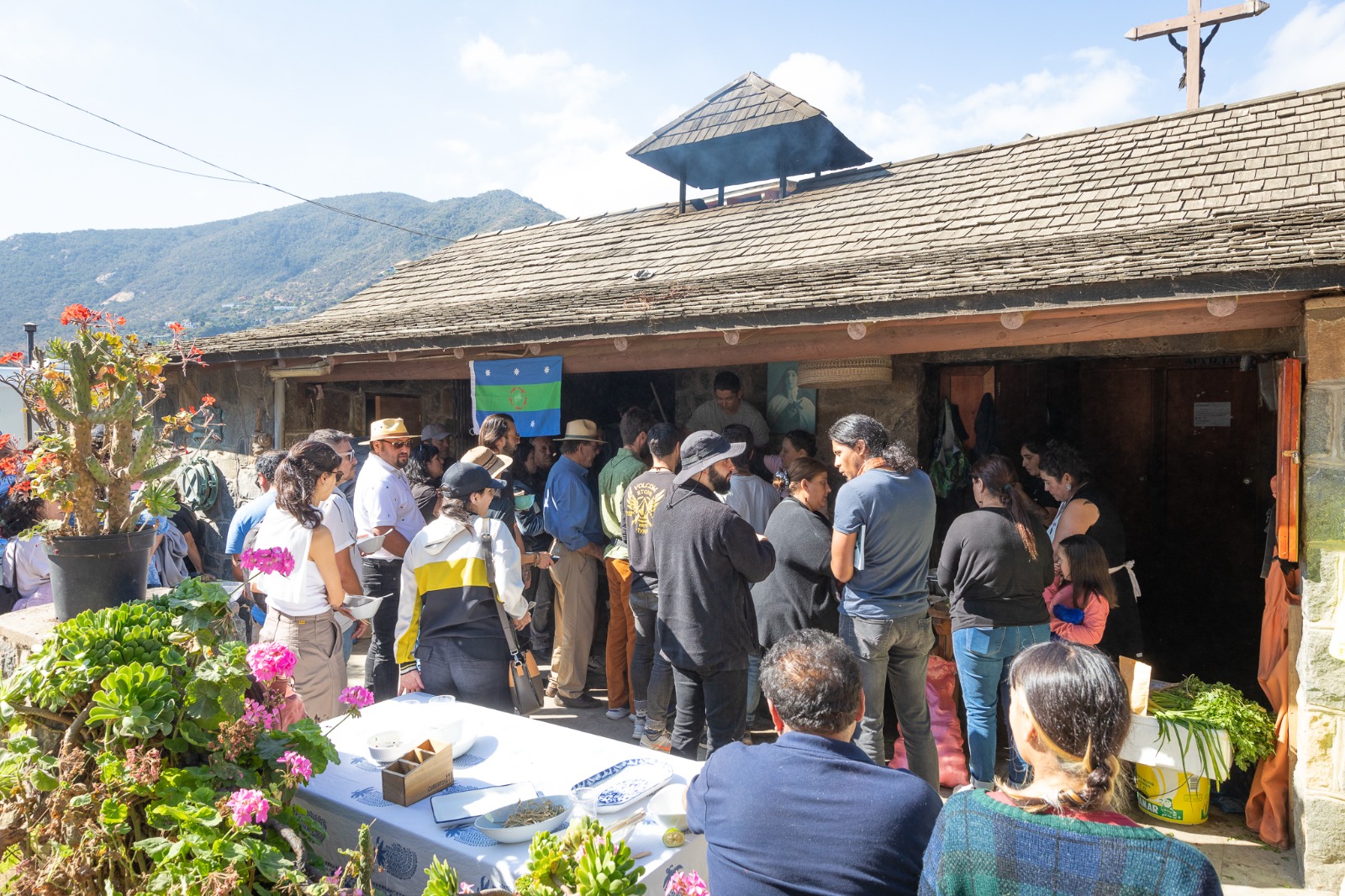
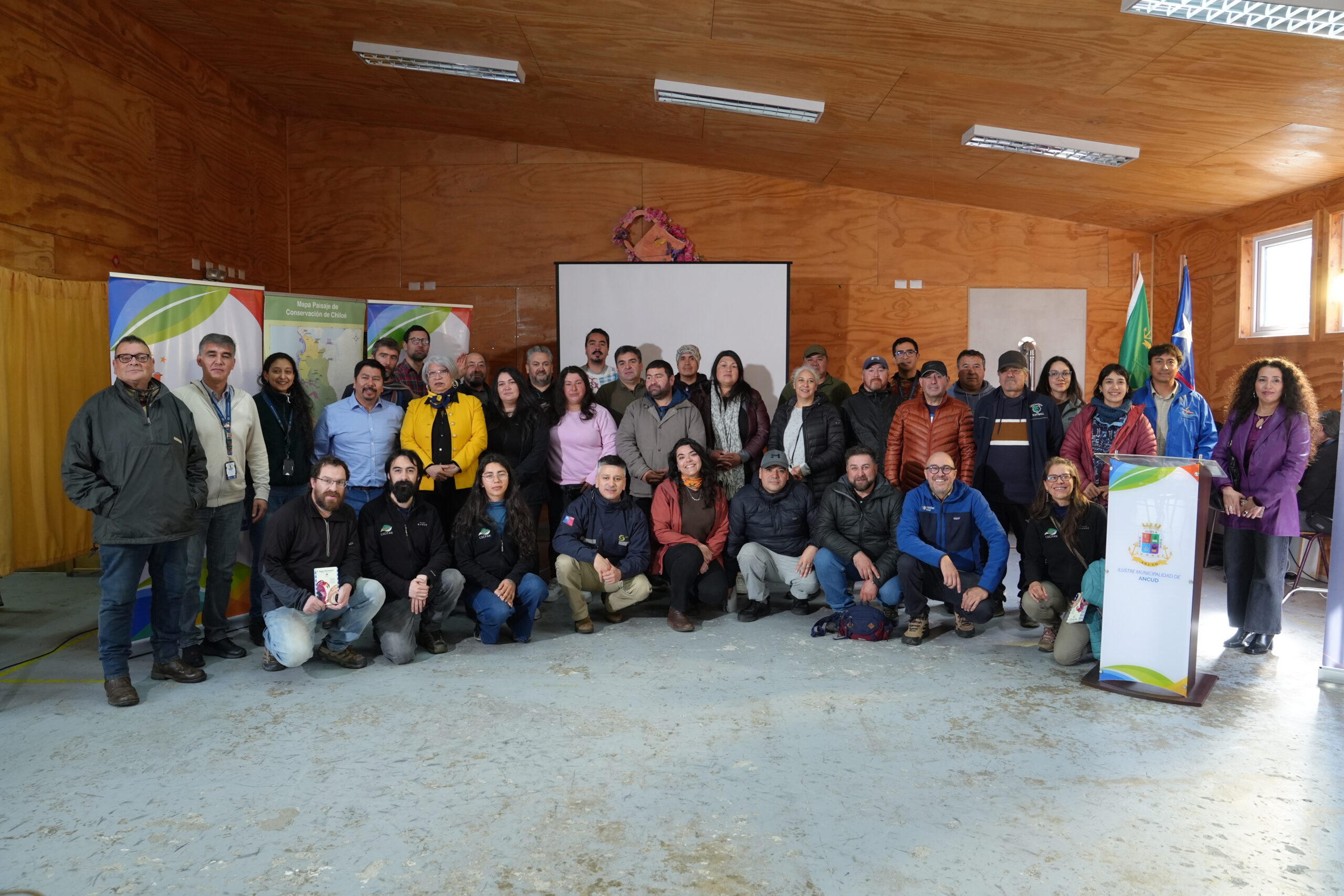
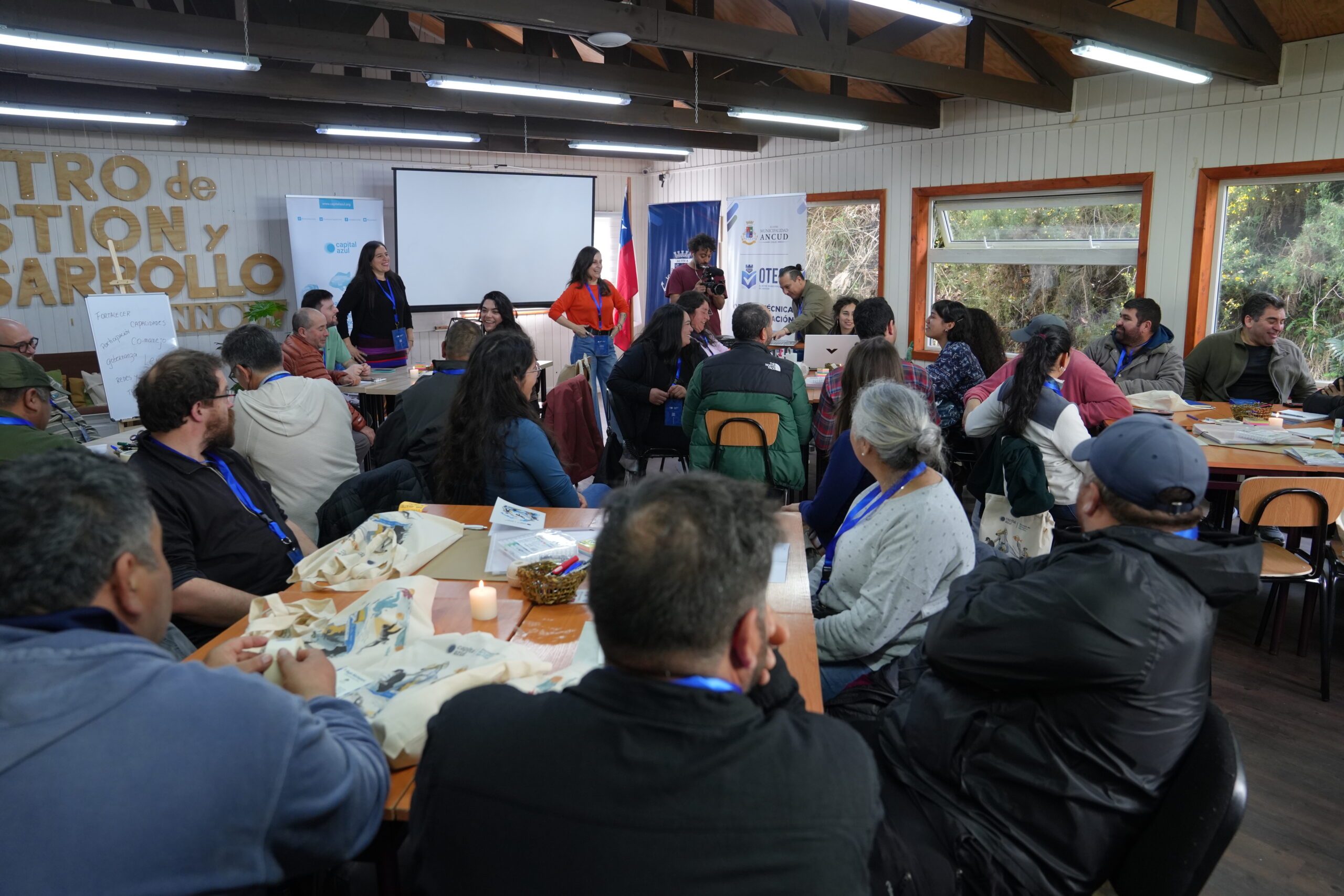
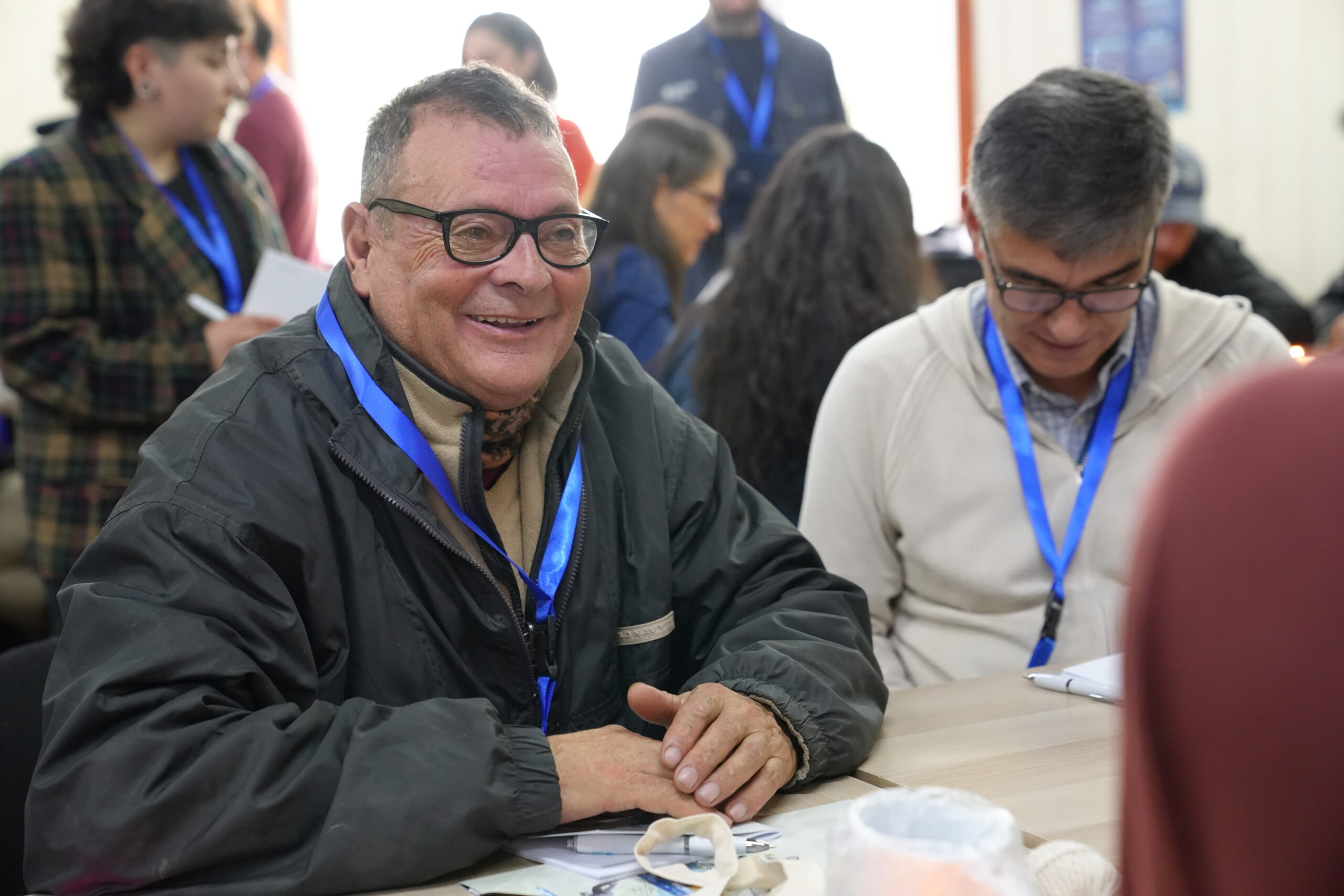
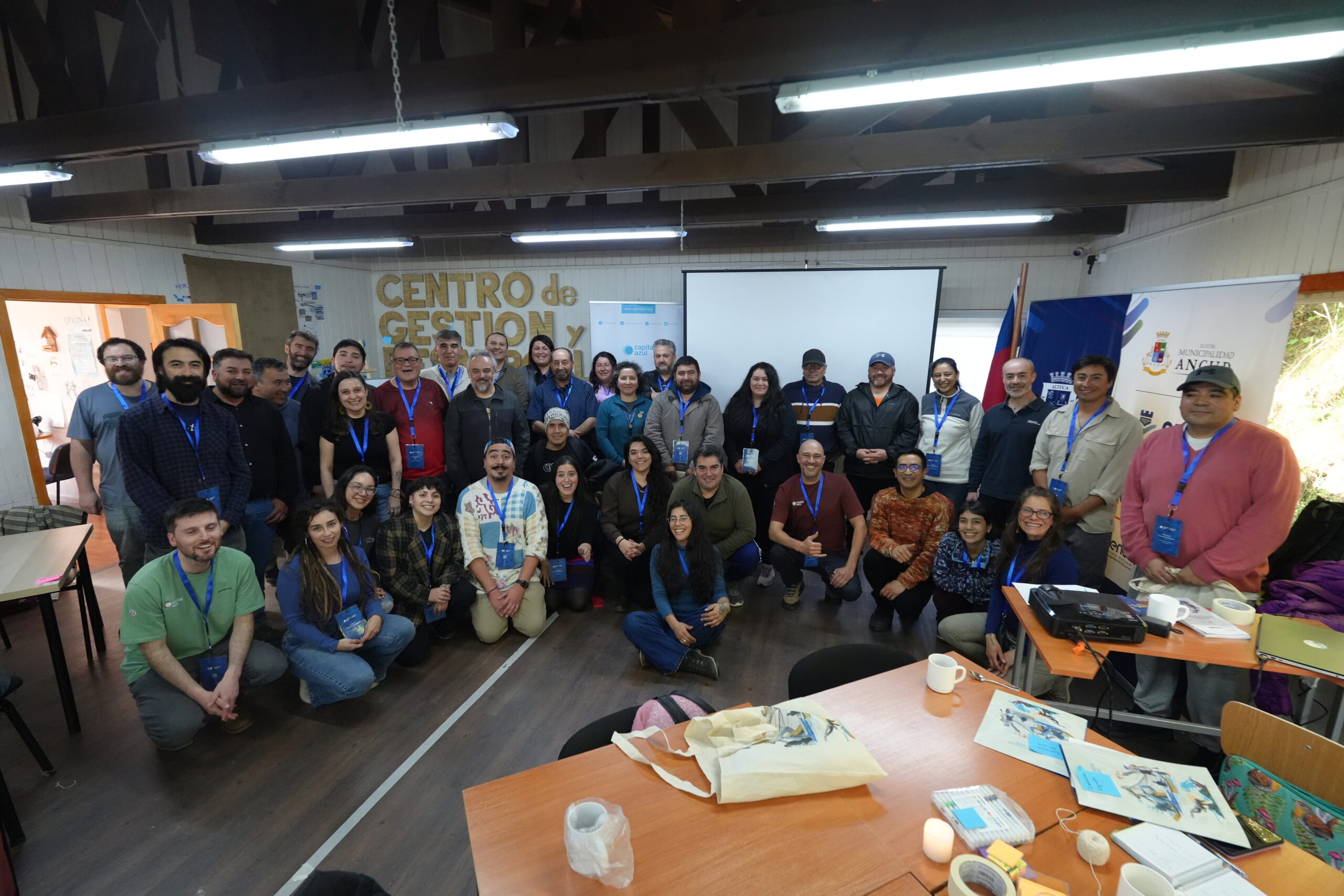
The first in-person cycle of the TURF-Reserves Academy concluded in Ancud with a deep sense of collaboration. Over four days, the initiative brought together artisanal fishing leaders, as well as representatives of public institutions and civil society organizations, to learn about tools aimed at ocean sustainability and at strengthening the resilience of coastal communities.
Led by Capital Azul Foundation and the Municipality of Ancud, with support from the GEF Incentives for Biodiversity Conservation Project, the TURF-Reserves Academy became a space for collective learning and peer exchange, transferring knowledge and experience so that artisanal fishing groups can autonomously implement and manage their own Voluntary Protection Zones within their TURFs (Territorial User Rights for Fisheries, known in Chile as AMERB), under the Benthic Law (Law No. 21,651).

The Azul Marino, Gente de Mar Chaular de Guapilacuy, San Pedro de Puente Quilo and Mar Adentro del Río Chepu artisanal fishers unions, along with representatives of the Mar Brava TURF (including the Los Macheros de Mar Brava, Nueva Alianza, Los Delfines and Los Cisnes unions), took part in this initiative, which builds on the experience Capital Azul has gained over 10 years of working with the TURF-Reserve model, mainly in the Valparaíso Region.
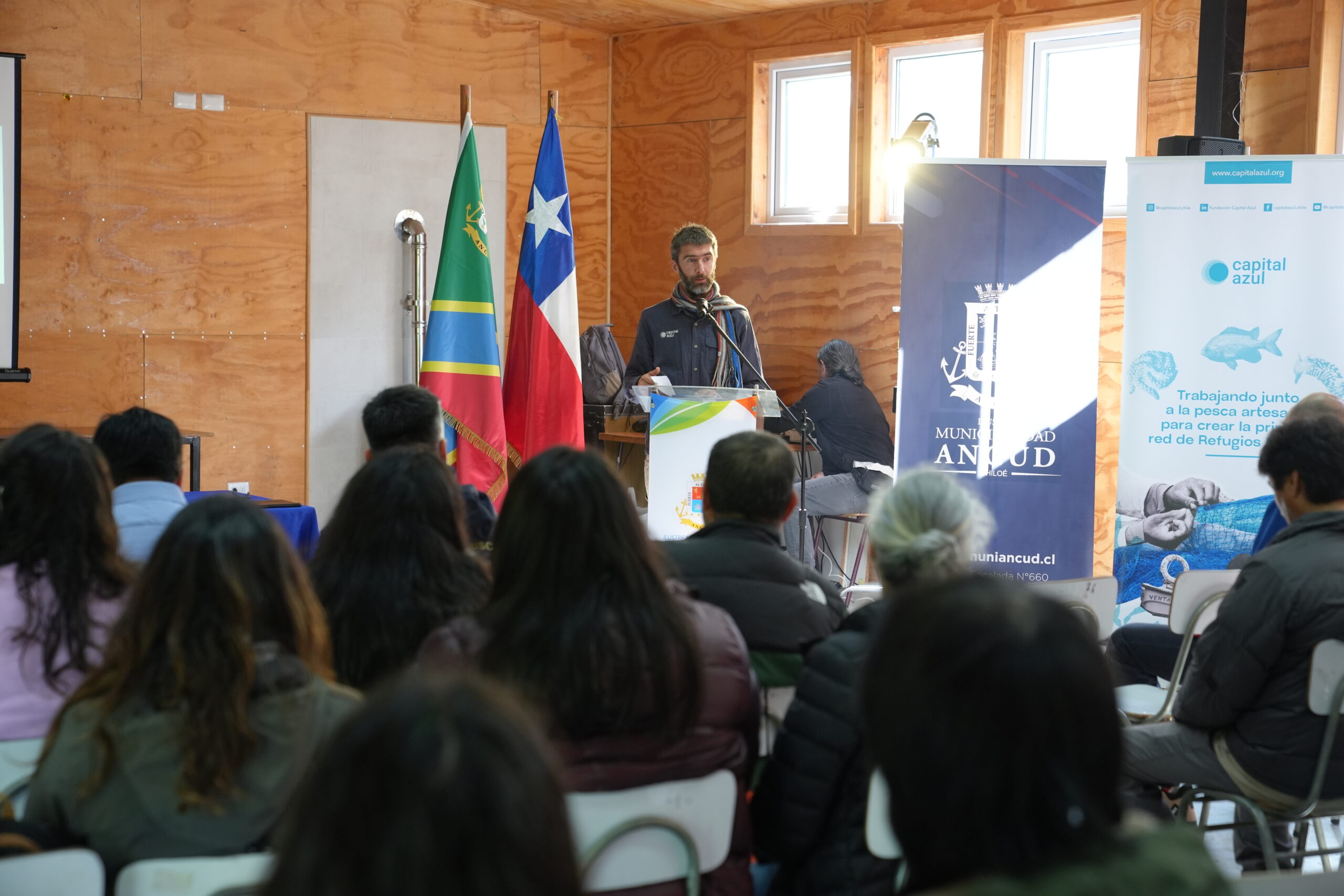
The gathering began with a launch ceremony where the artisanal fishing groups were joined by Ancud Mayor Andrés Ojeda, as well as other representatives of the municipality and of public institutions such as Sernapesca, Subpesca and the Biodiversity and Protected Areas Service (SBAP). Together they kicked off the TURF-Reserves Academy with a collective commitment to support this community-led marine conservation initiative.
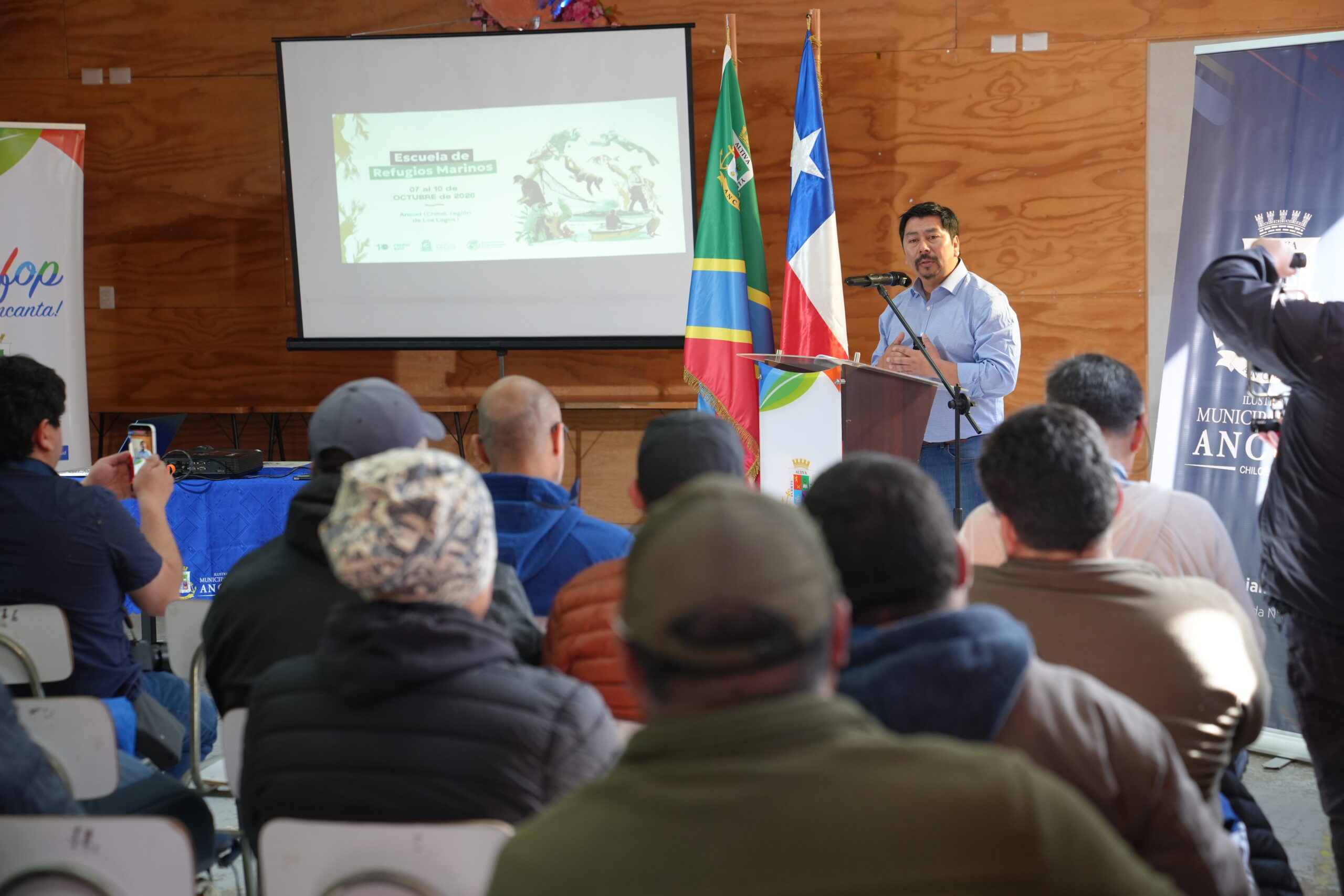
“When you conserve, it’s not that you stop earning; on the contrary, it opens up a lot of potential. One is that in the future you will have greater production. And, on the other hand, it gives us other opportunities to diversify work at sea, because it can also be linked to tourism,” said Mayor Andrés Ojeda, adding that “that is part of the development we hope for, and that is why we find what is being done today at this TURF-Reserves Academy so important and meaningful.”
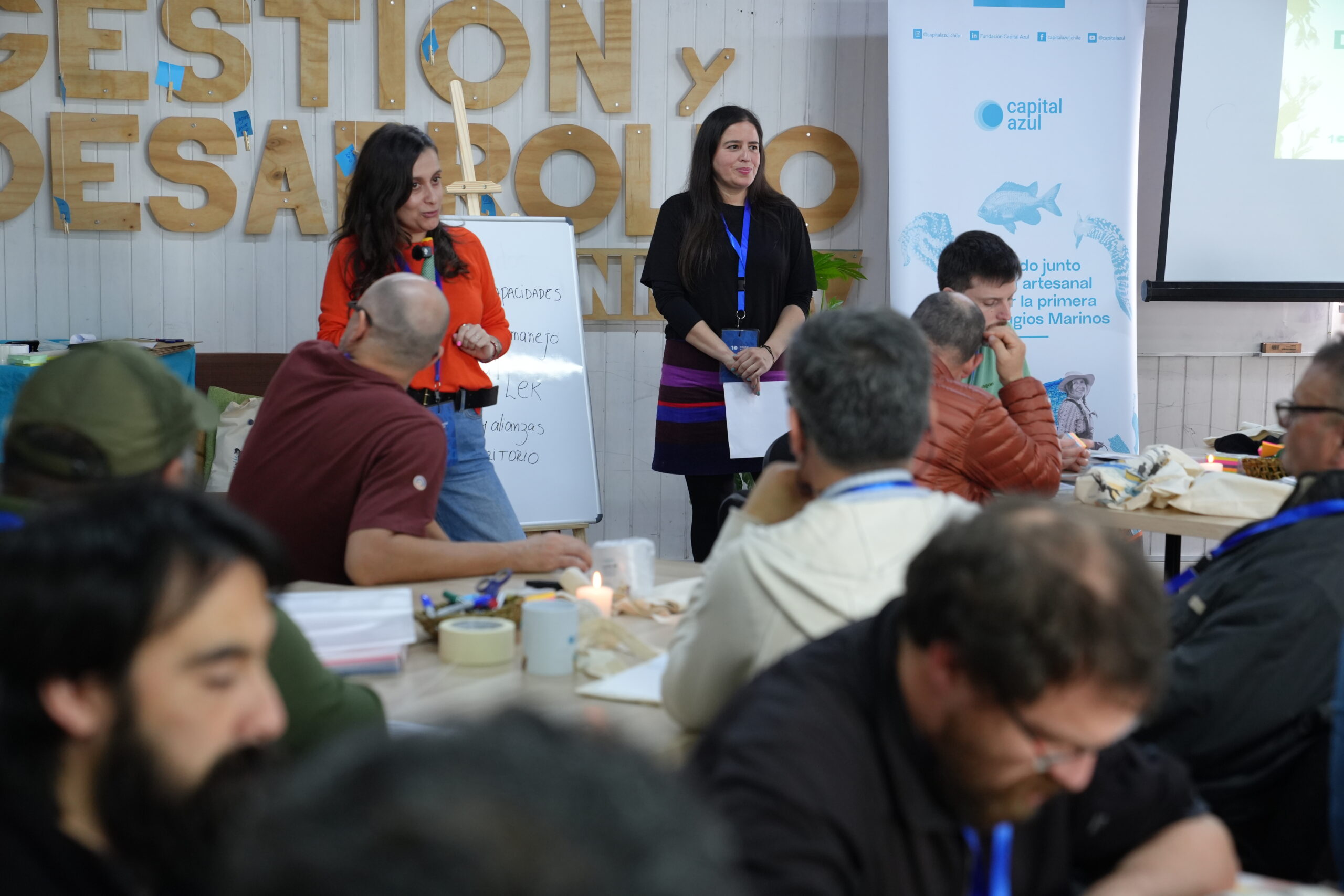
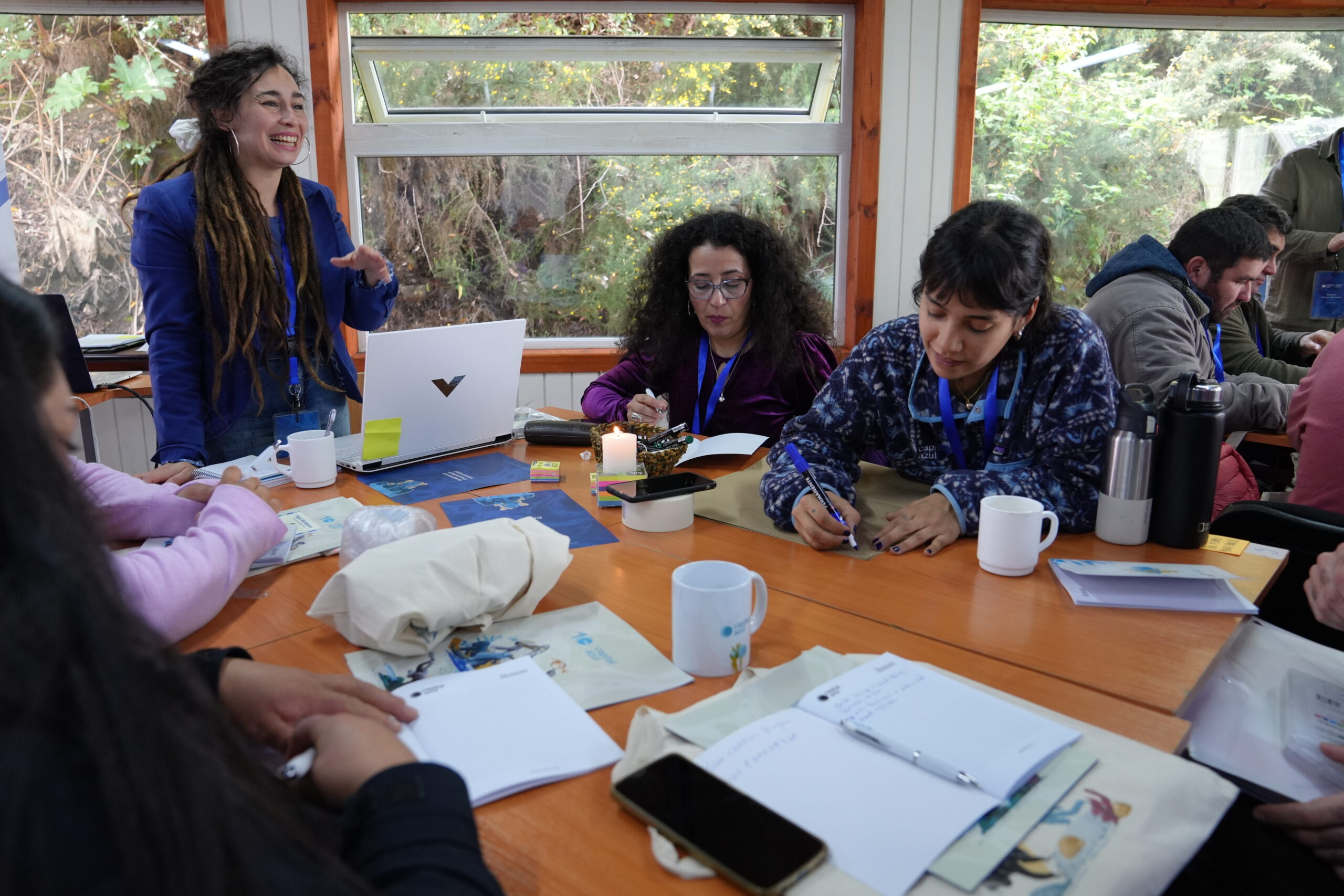
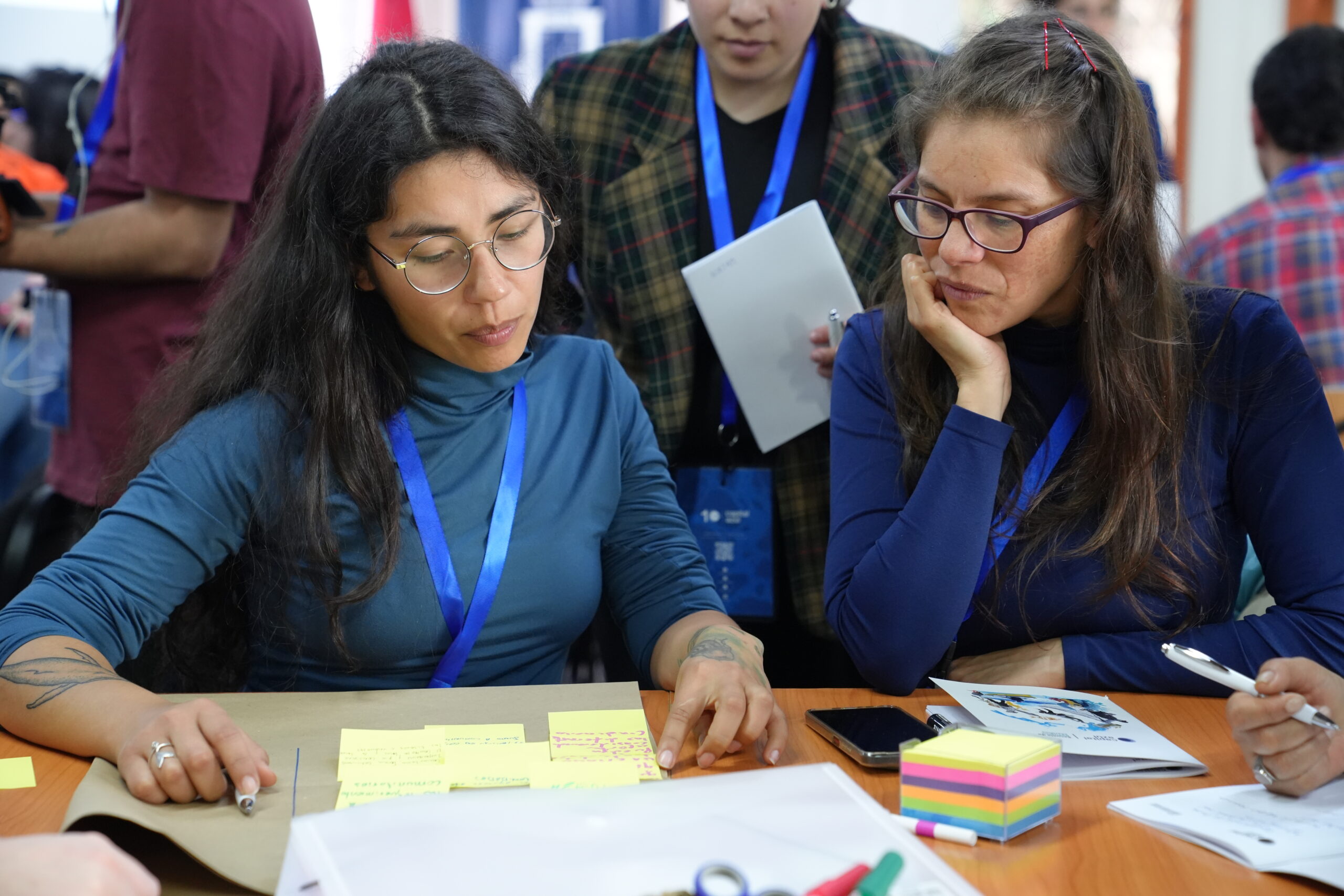
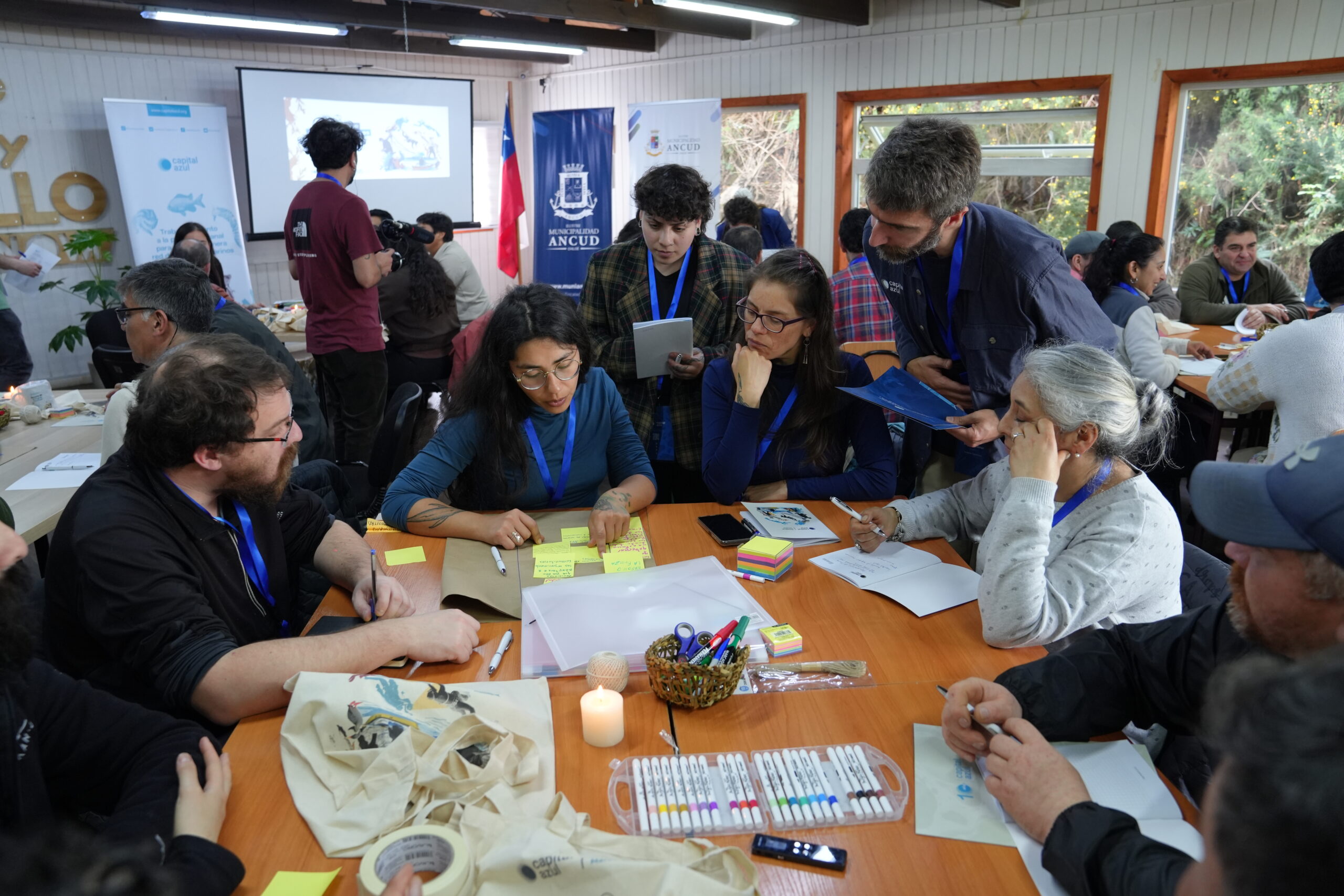
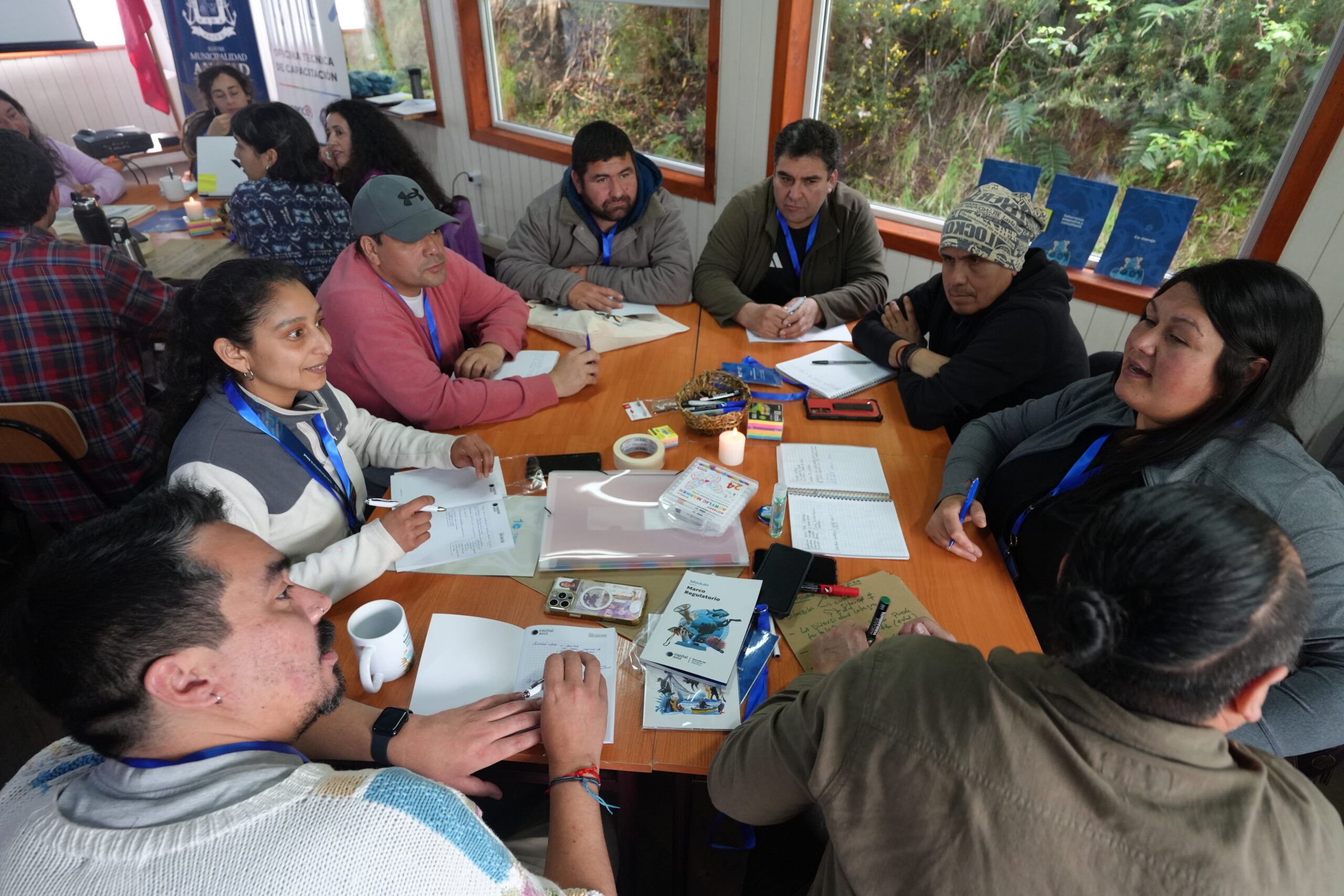
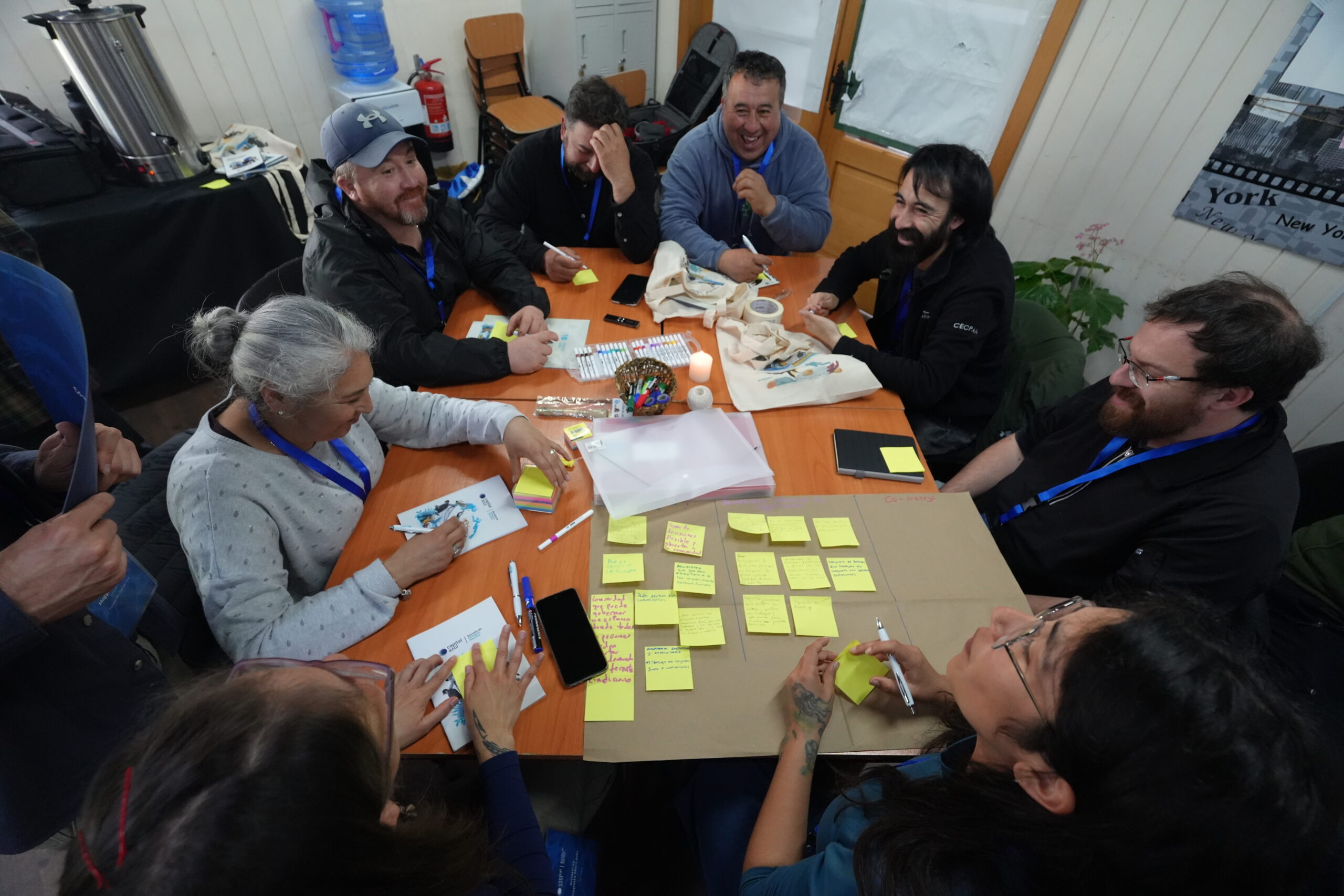
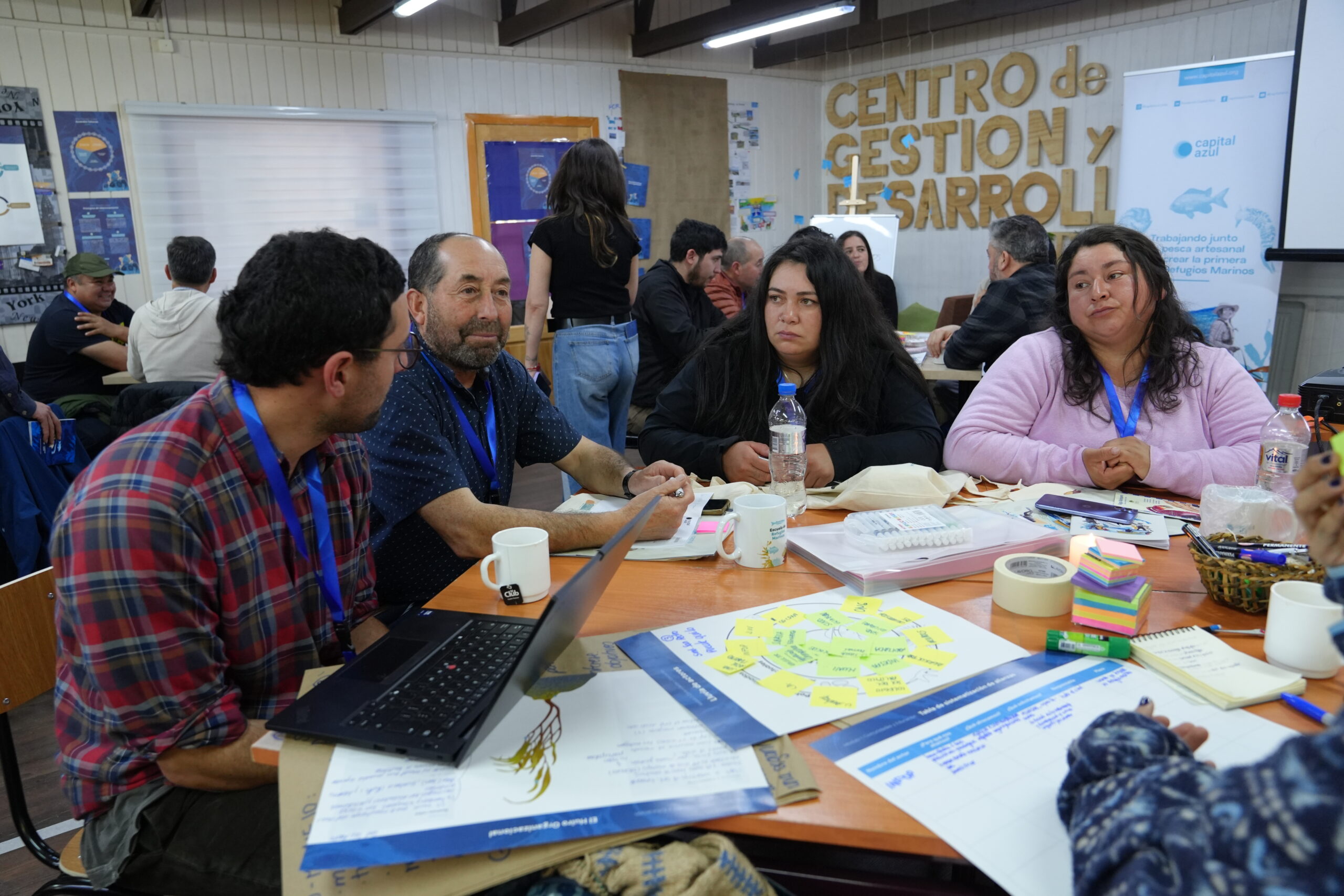
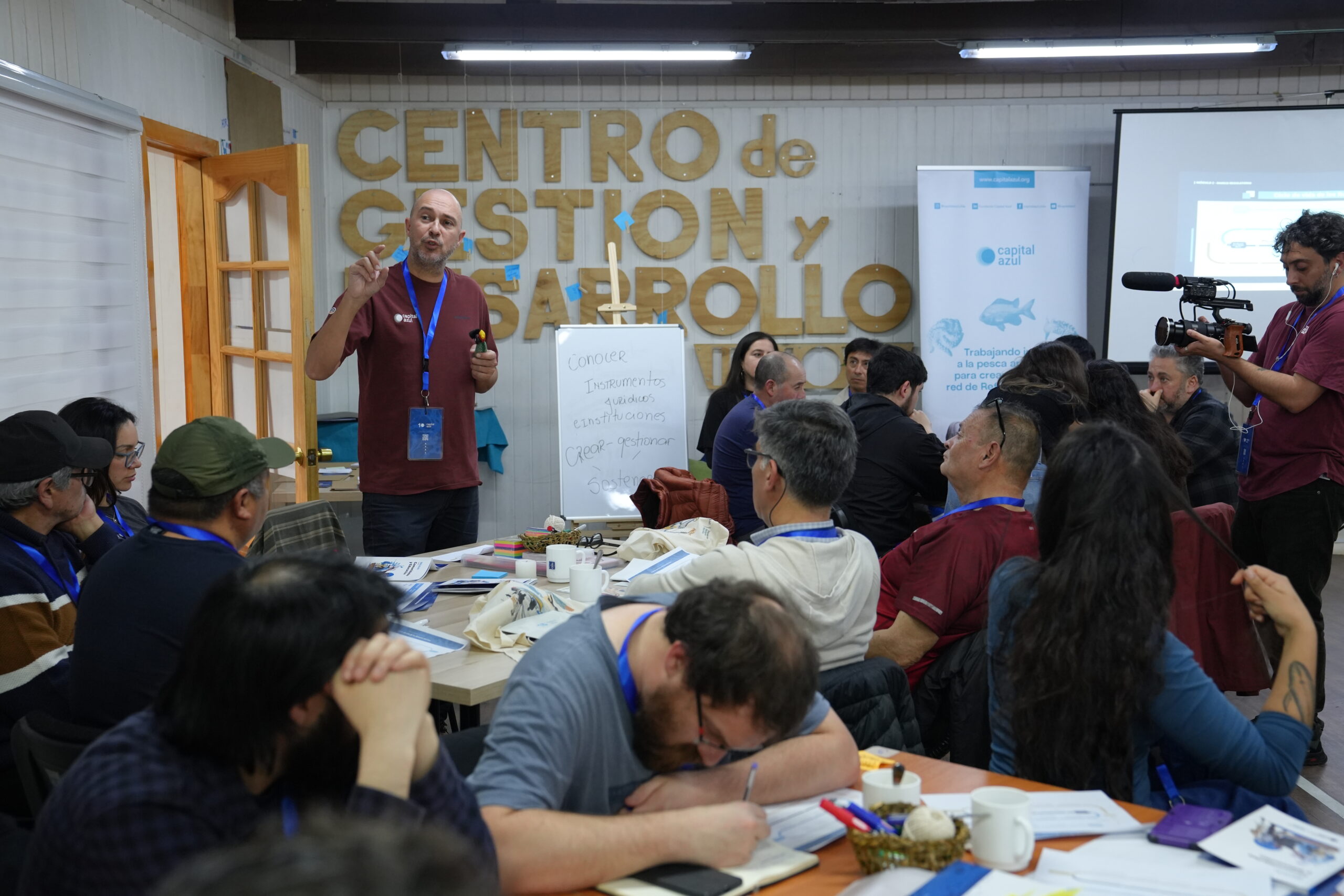
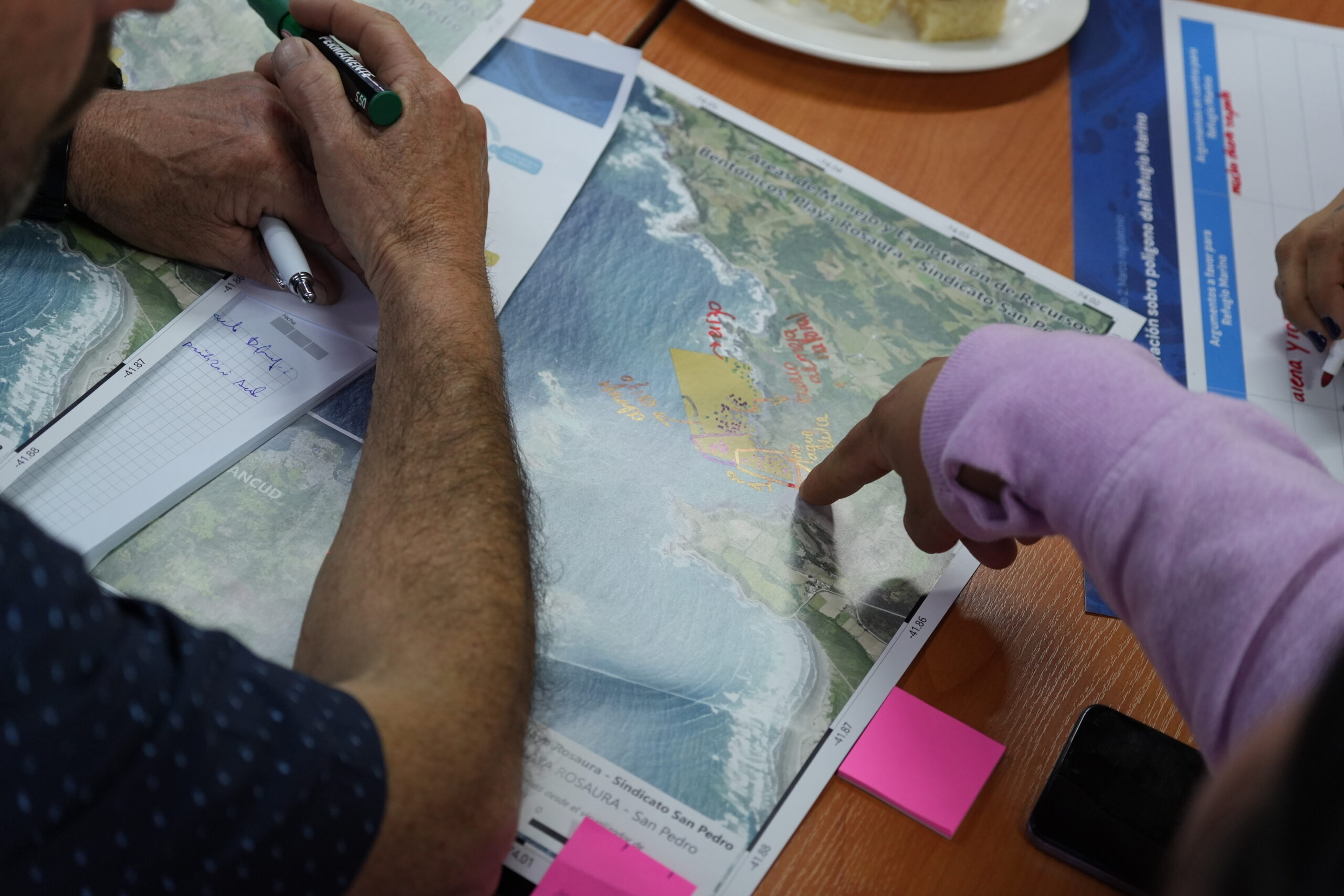
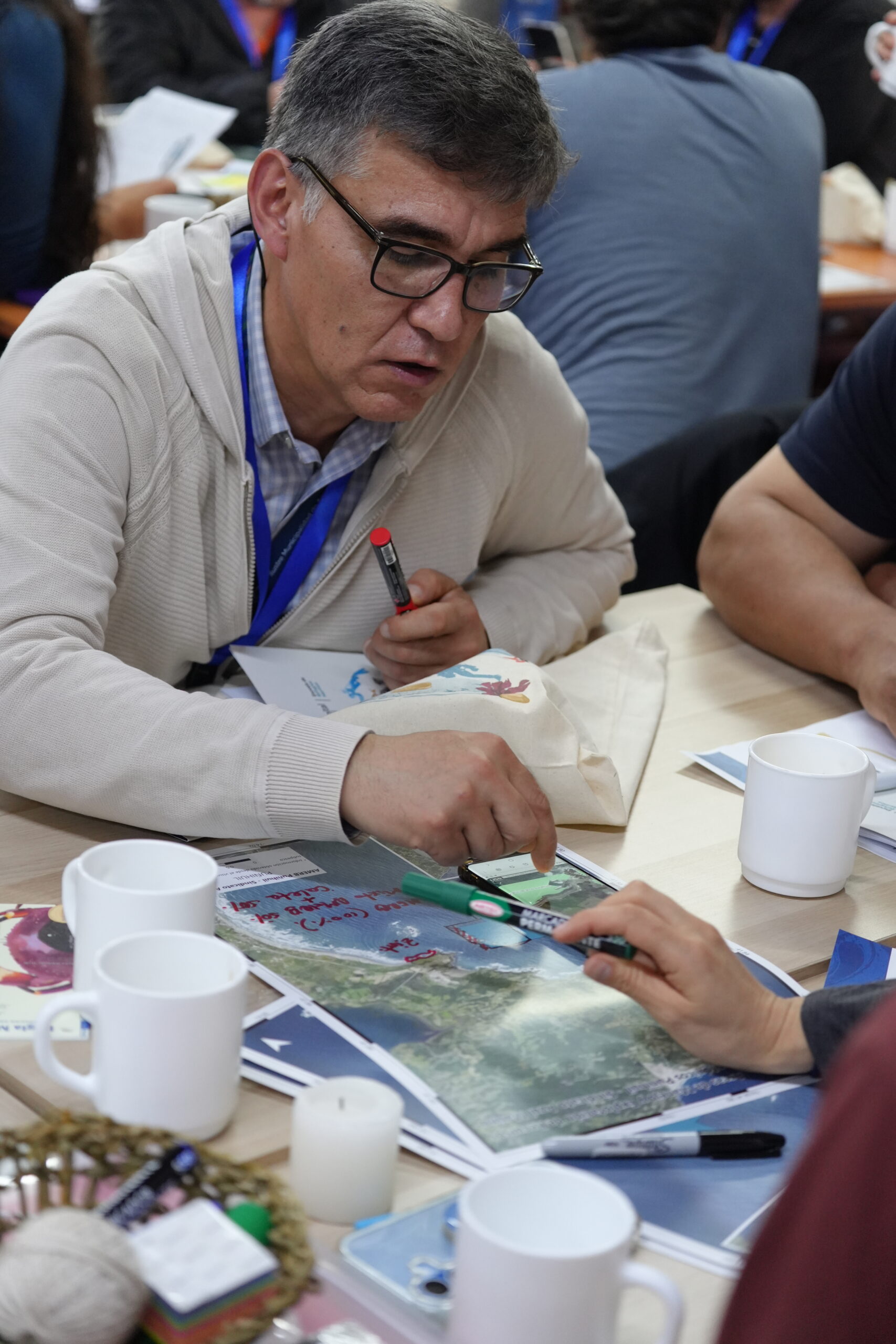
The working sessions then moved to the municipality’s OTEC Hall, where participants immersed themselves in an intensive program facilitated with support from Fundación Somos Tribu and tailored to the reality of artisanal fishing. It covered the regulatory framework, communities and environmental education, biodiversity monitoring, coastal surveillance and sustainable local economies. Through practical and theoretical activities that valued collective work, along with talks such as the one by Rodrigo Barría, a member of the Maitencillo Fishers Union, the group gradually became familiar with the different components of the TURF-Reserve model.
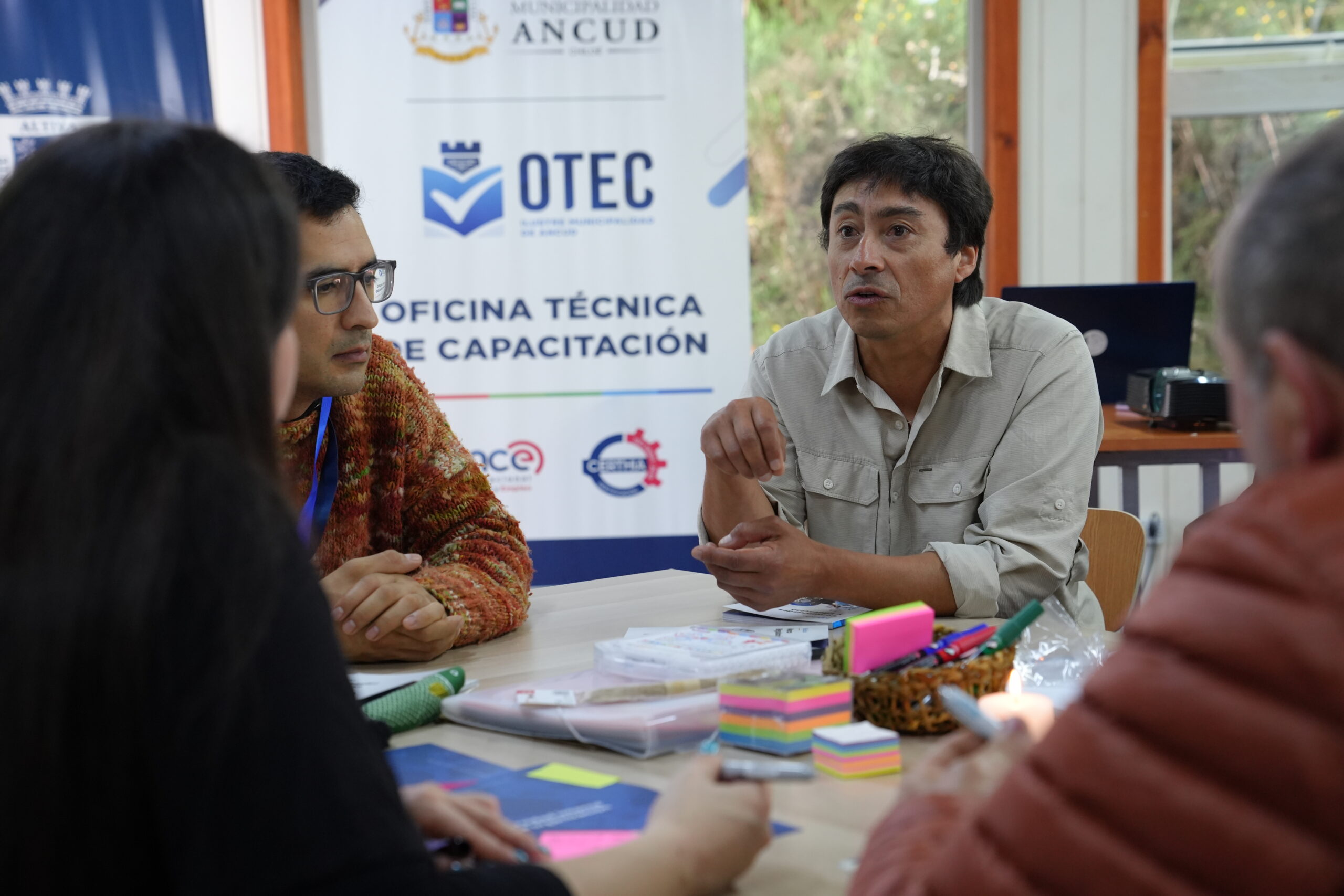
Rodrigo Sánchez Grez, Executive Director of Capital Azul Foundation, highlighted the level of commitment of the Chiloé communities: “After seeing for a week the atmosphere of collaboration and conversation, as well as the positive synergies that can emerge from these budding alliances, added to the support of the Municipality of Ancud, I believe there is a good foundation to dream of a network of TURF-Reserves in the Ancud district.”
For her part, Carola Iturriaga, Regional Director of the Biodiversity and Protected Areas Service (SBAP), said that “this TURF-Reserves Academy helps us move forward precisely on biodiversity conservation outside protected areas. TURF-Reserves are very important because they allow economic activity to develop, particularly in TURFs. So having spaces that protect resources secures economic activity for the future. I think that in regions like Los Lagos it is very important to move toward making both things compatible, because we cannot have economic development if we do not protect biodiversity.”
The value of local knowledge and lived experience
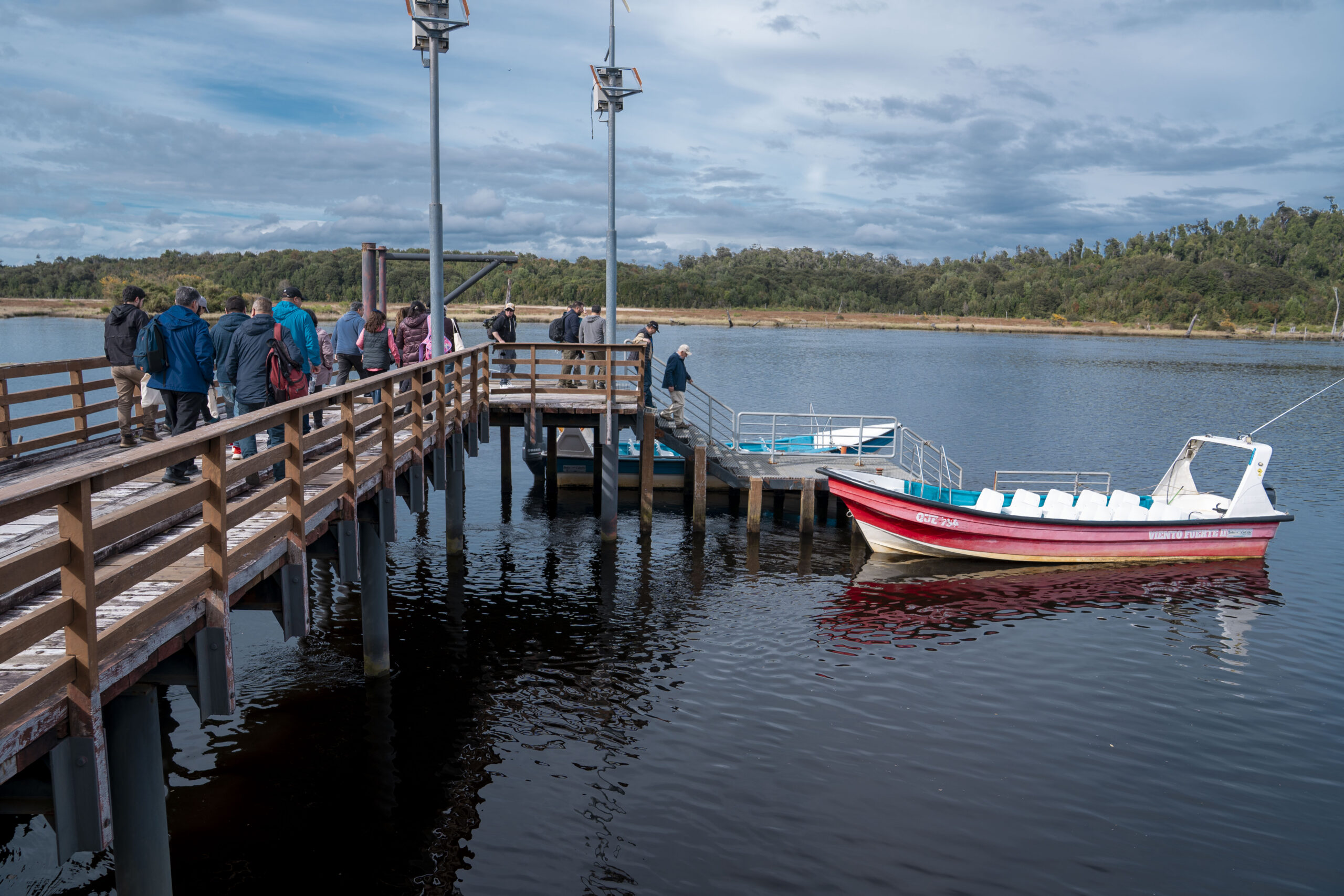
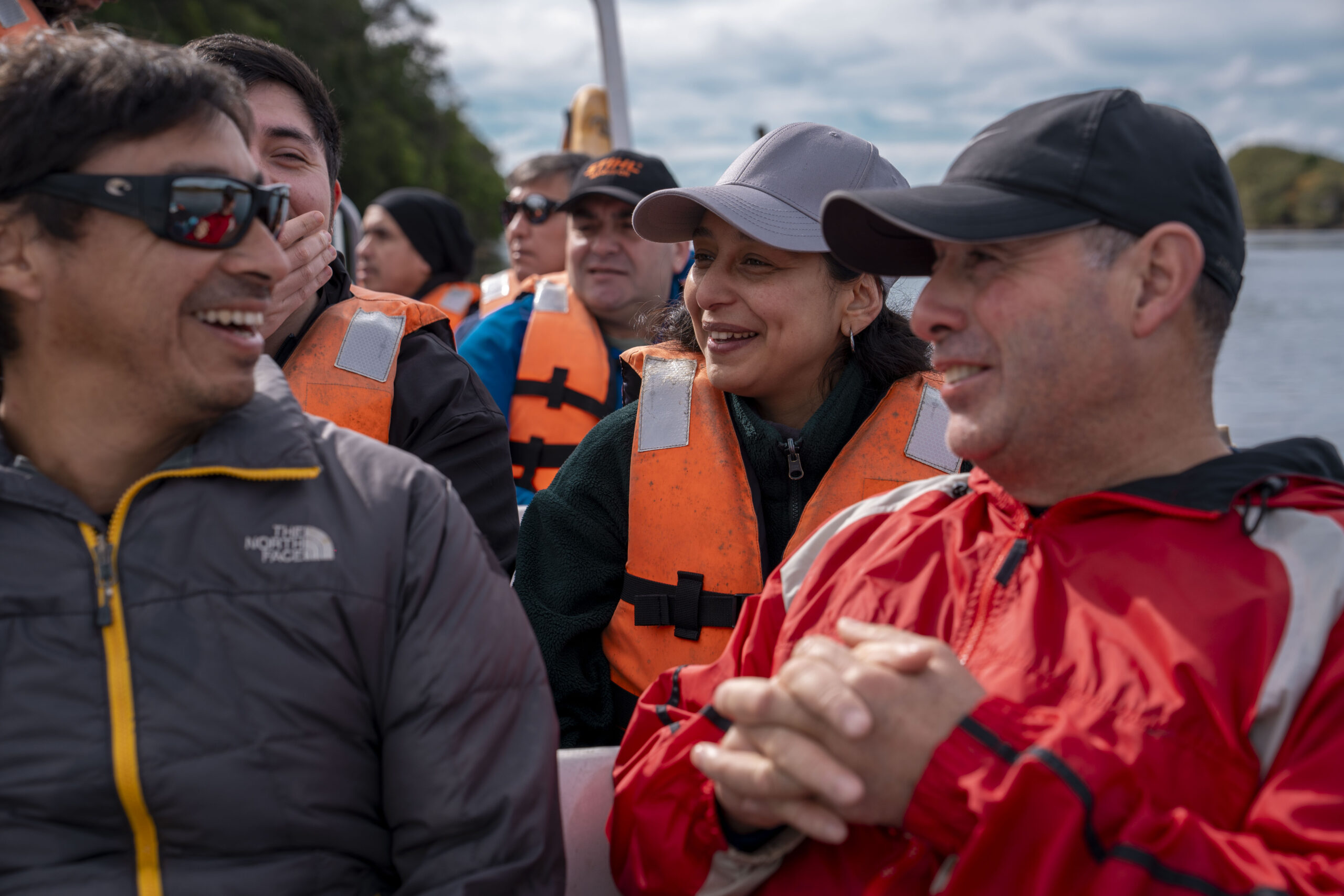
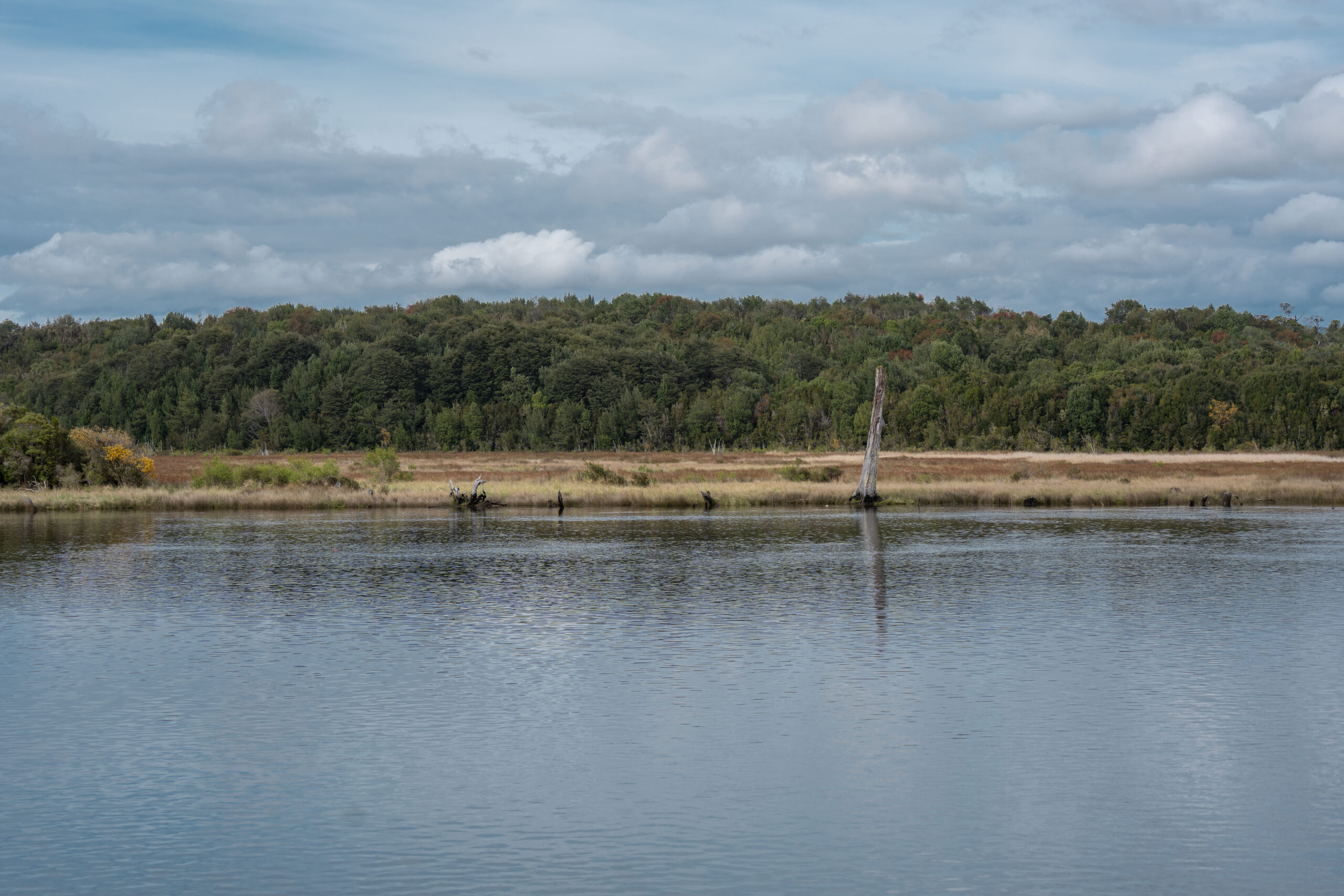
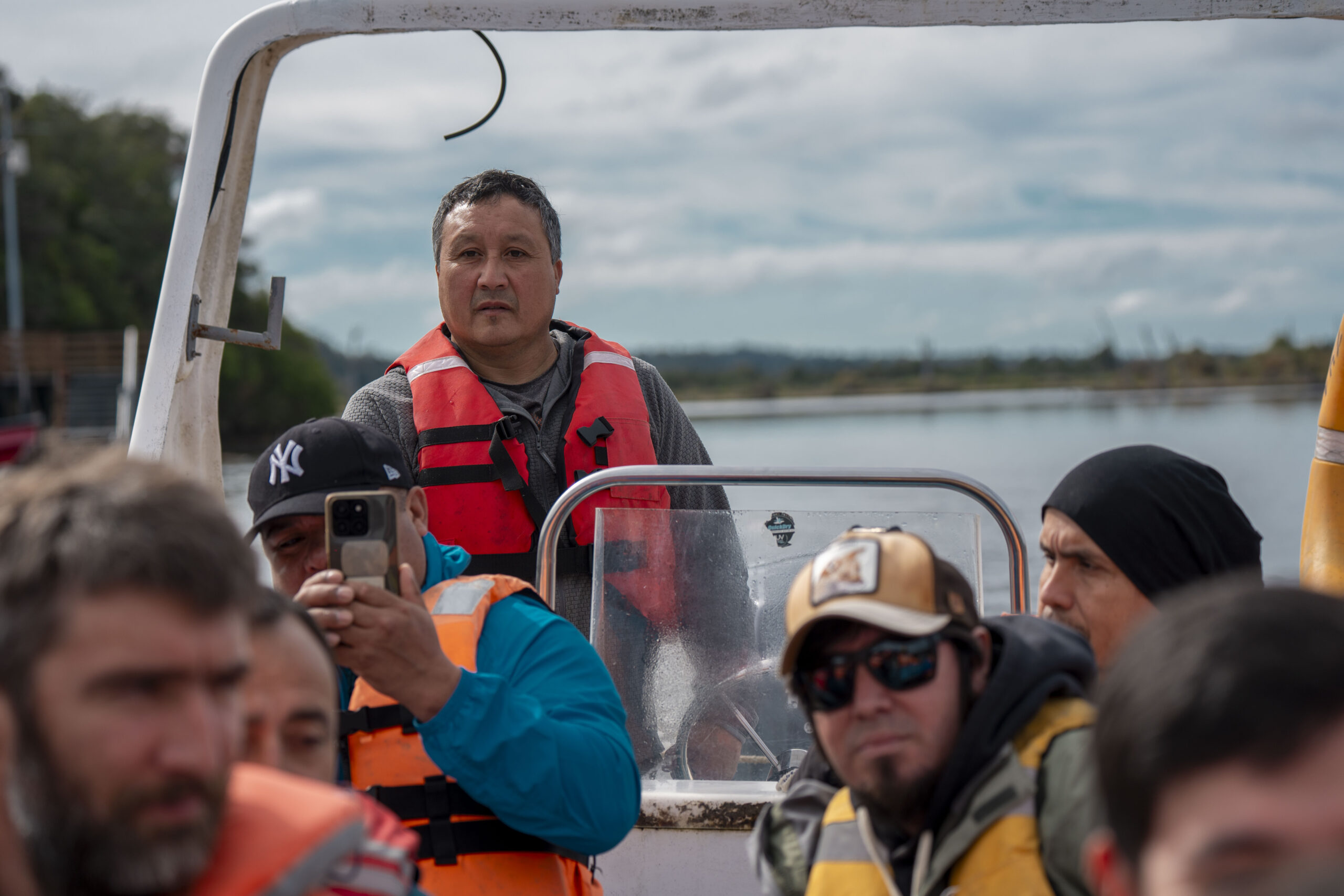
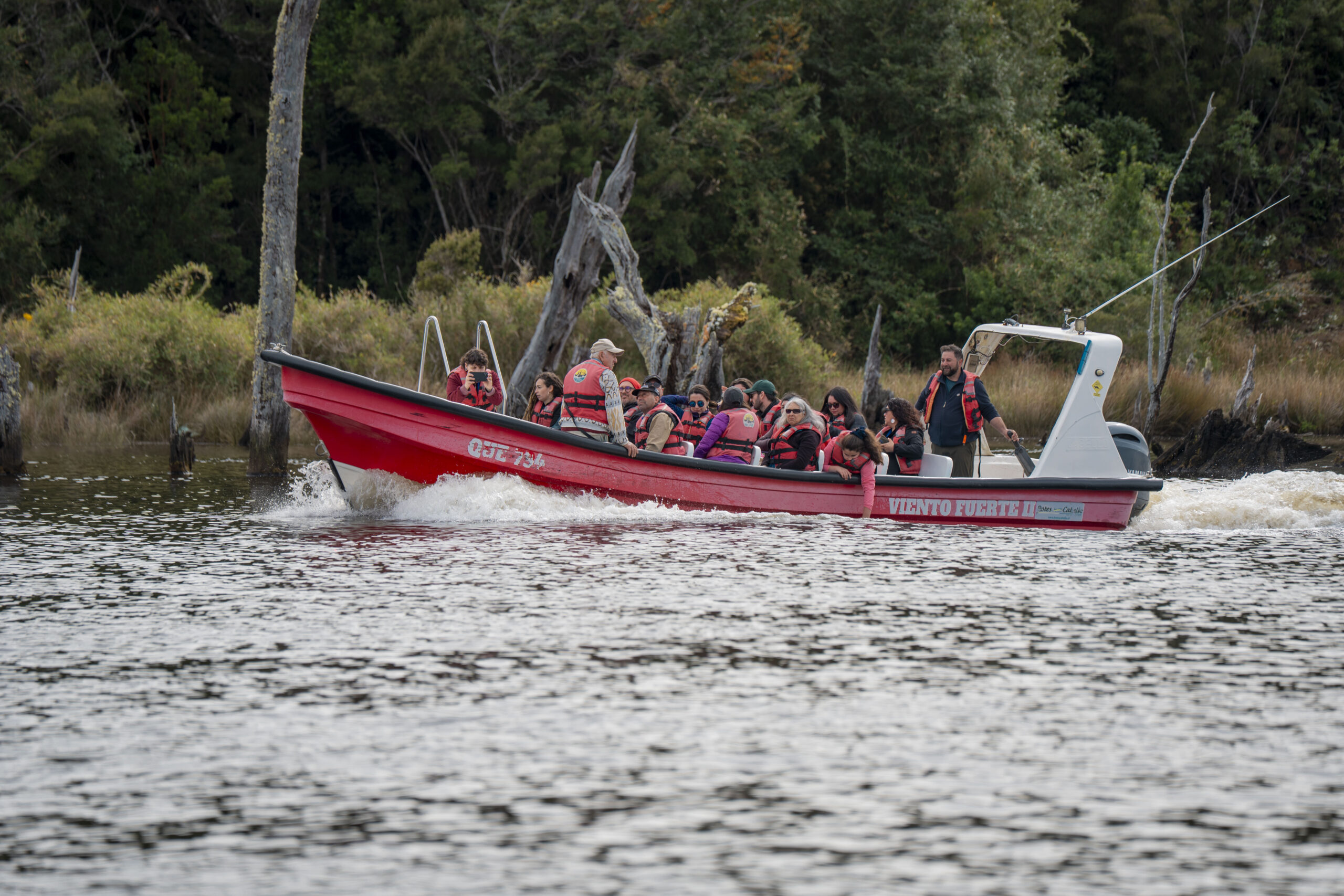
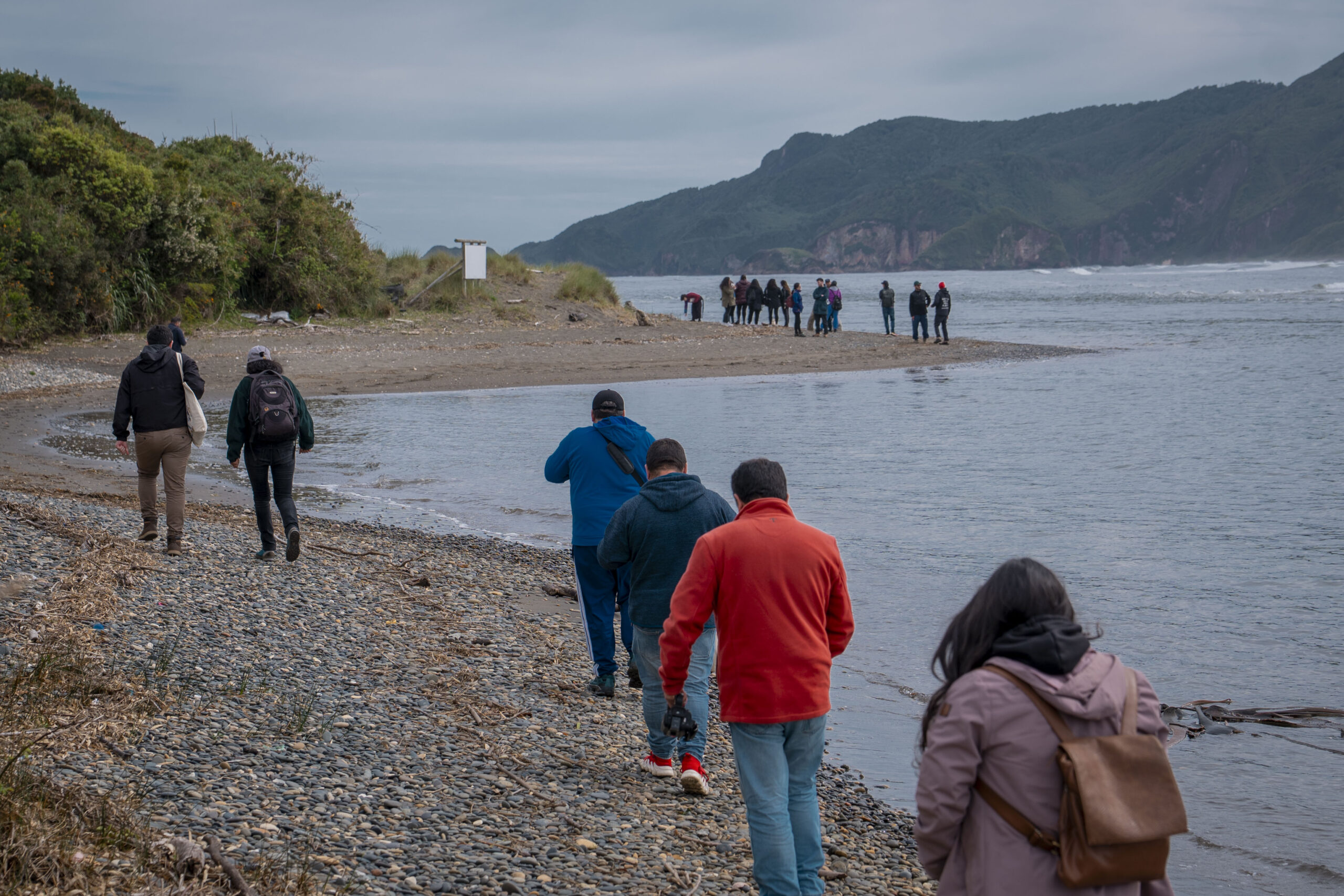
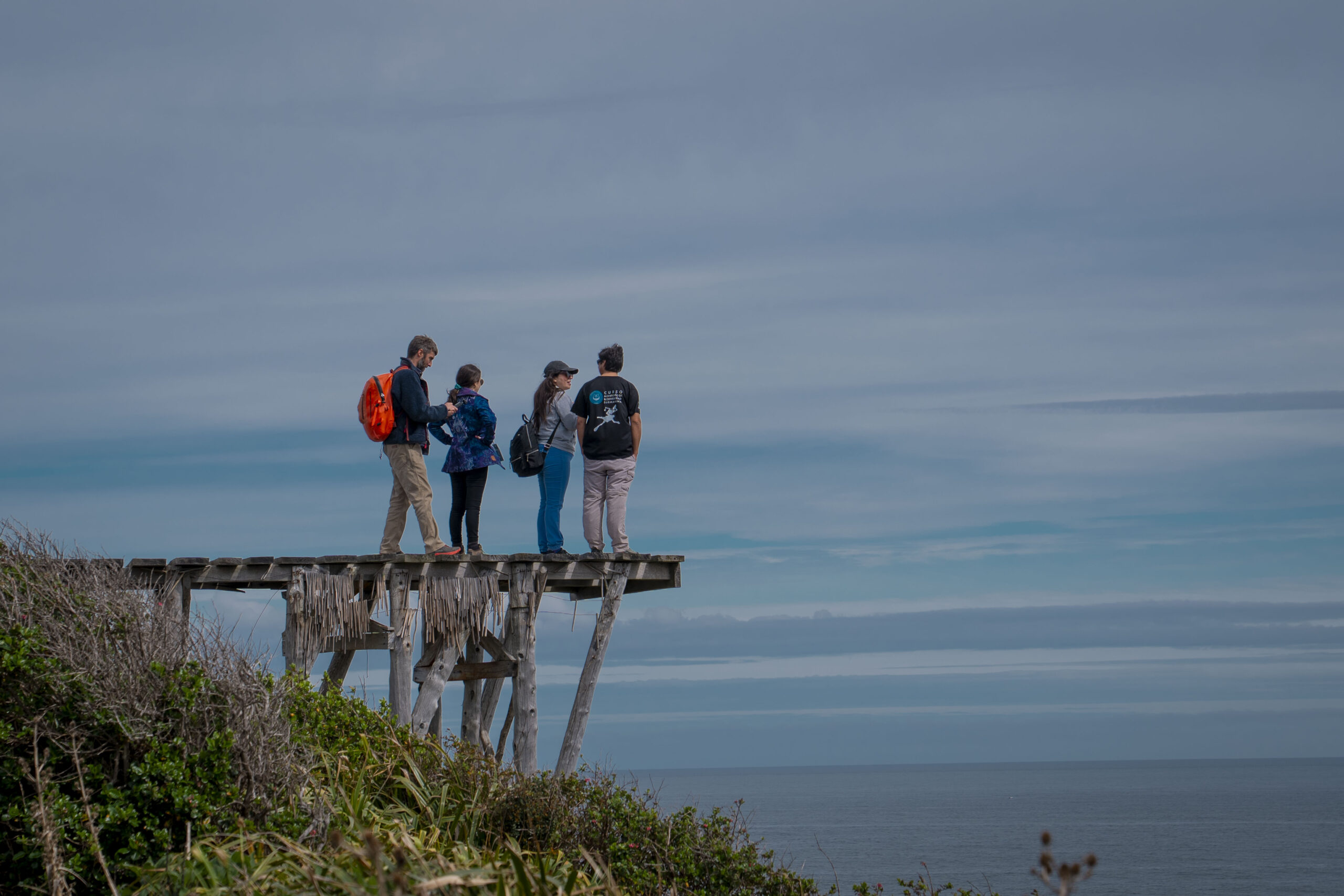
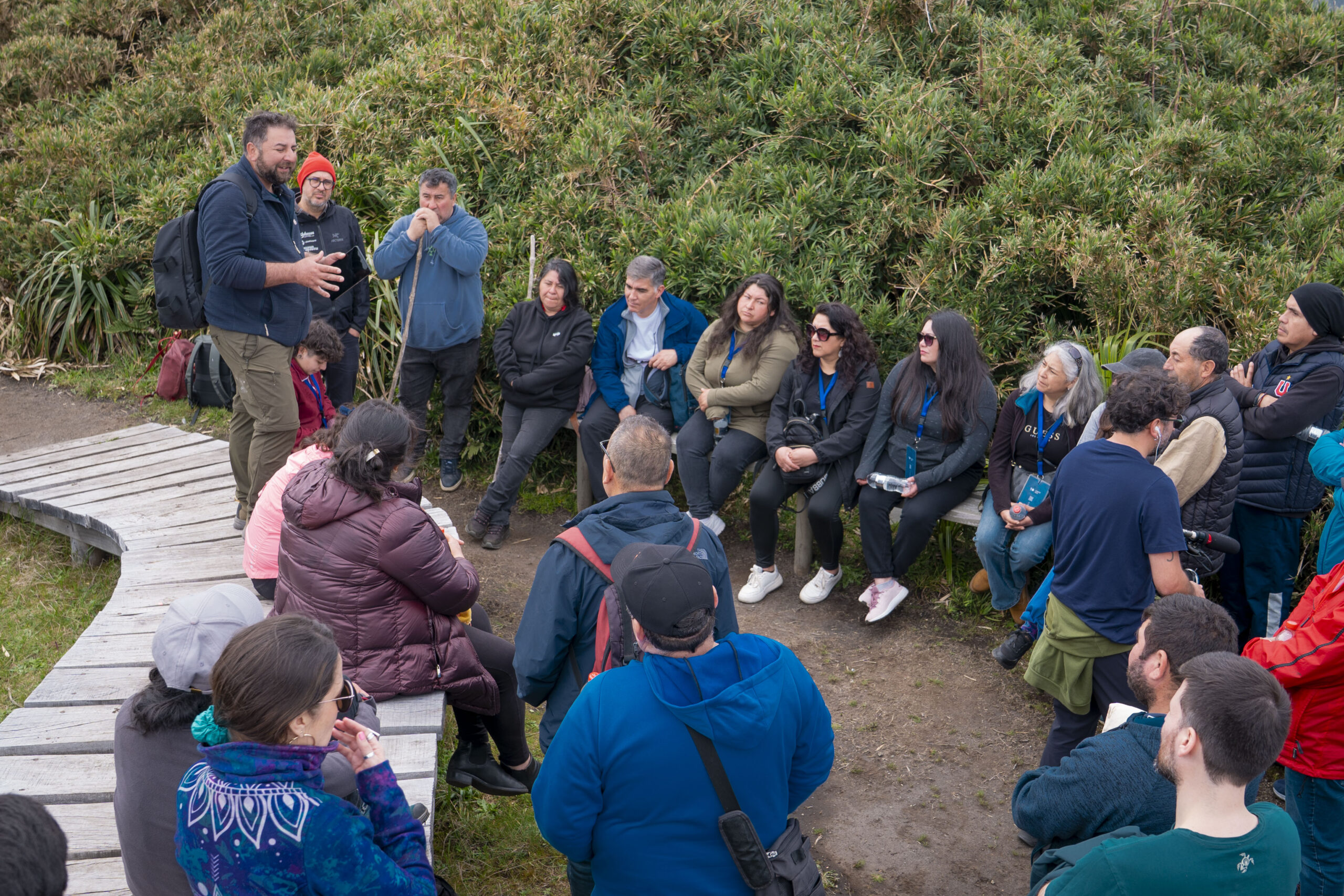
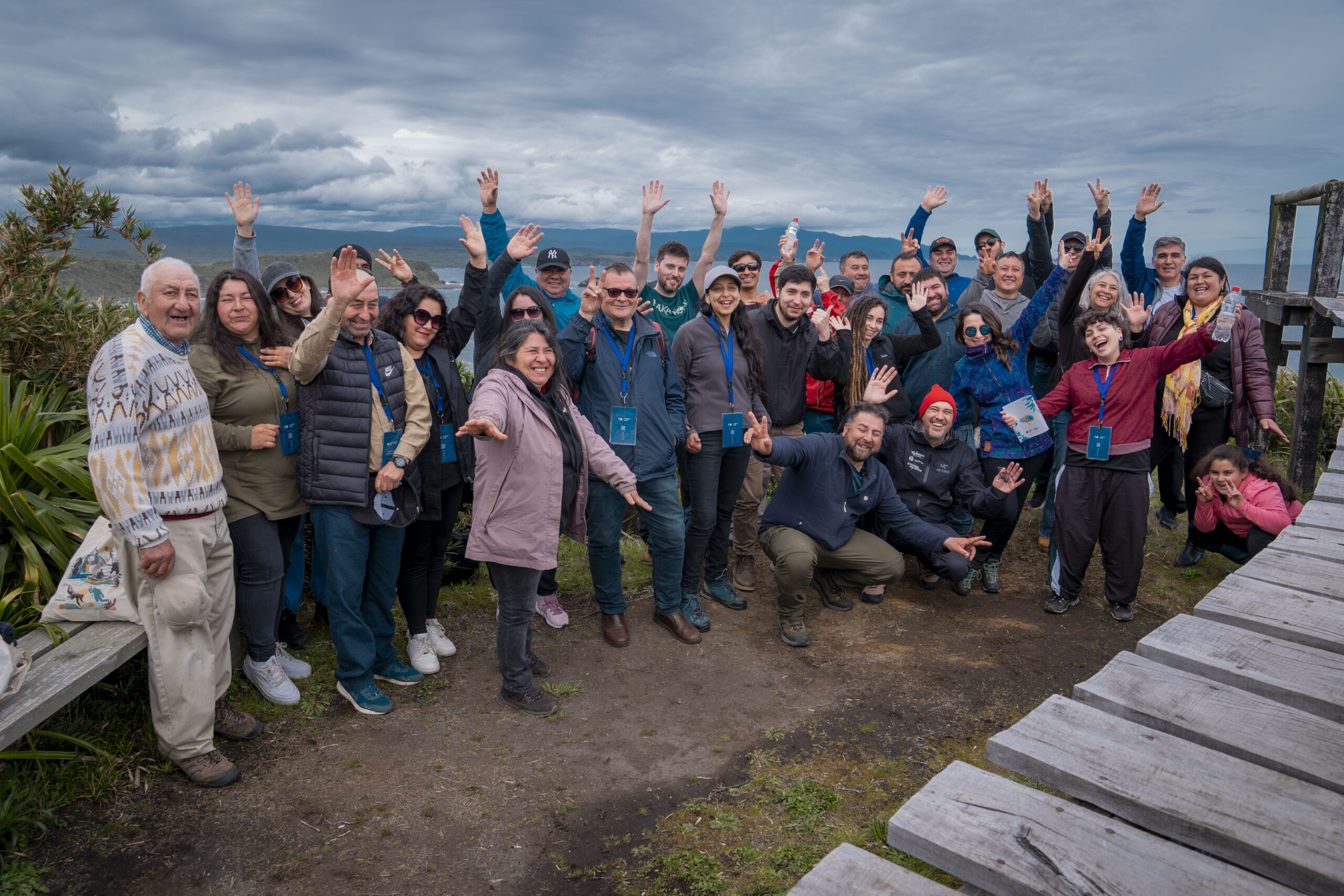
After three days of intensive classroom work, theory came to life on Saturday, October 10. The Academy traveled to Caleta Chepu, by the waters of the Pacific Ocean, for a field day that became the high point of the gathering.

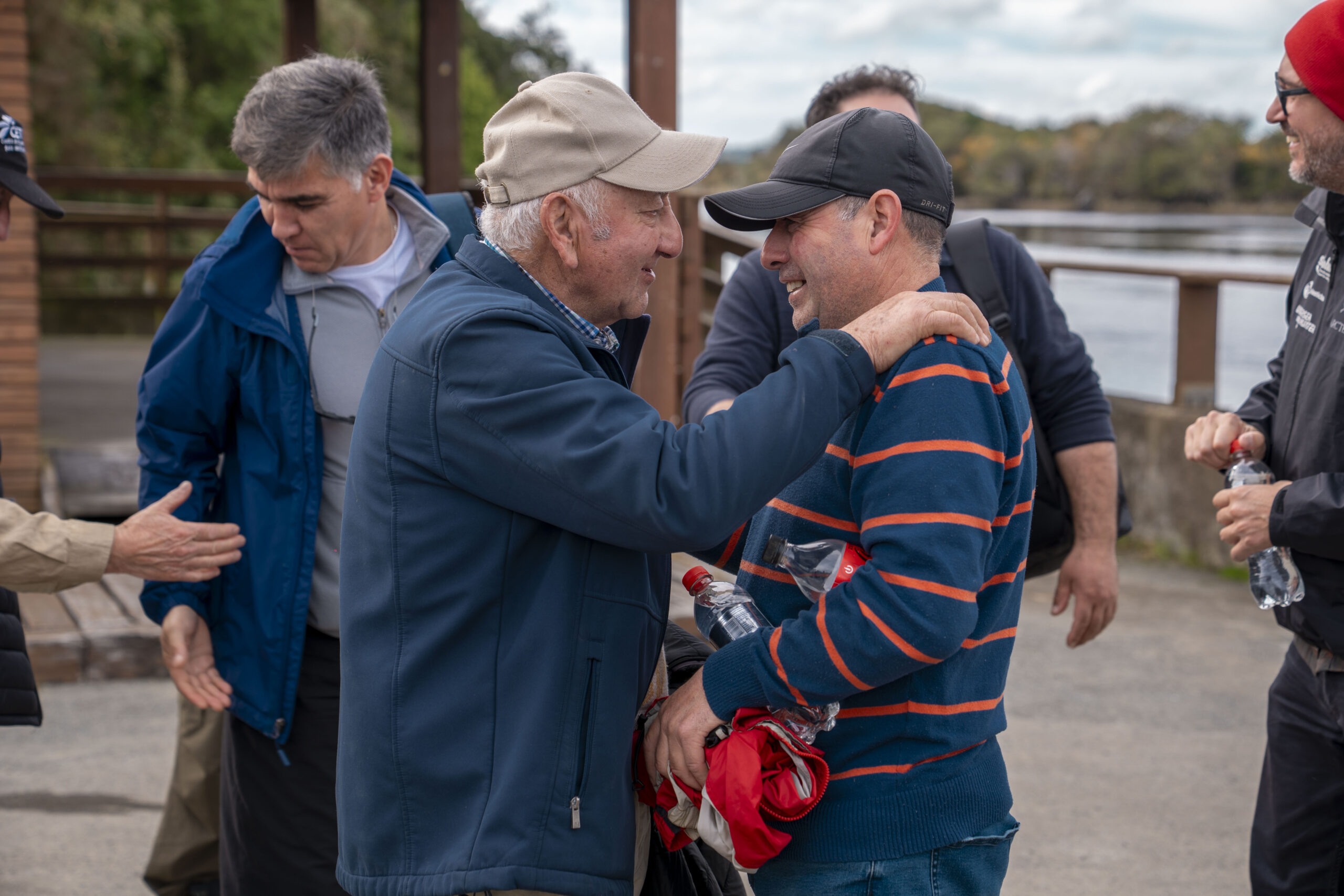
There, the Mar Adentro del Río Chepu Fishers Union opened the doors of its own TURF-Reserve, a pioneer in the Los Lagos Region, to welcome its peers. In a horizontal dialogue, from fisher to fisher, the hosts shared their experience leading conservation in their territory. They spoke frankly about the initial challenges, the process of reaching agreements in assembly, the difficulties of coastal surveillance and the benefits they have begun to see one year after implementing their Voluntary Protection Zone.
This exchange of local knowledge showed that marine conservation is not a distant concept imposed by academia, but a real and tangible tool to secure the livelihoods of fishing coves in the face of resource scarcity, the climate crisis and other challenges facing artisanal fishing.
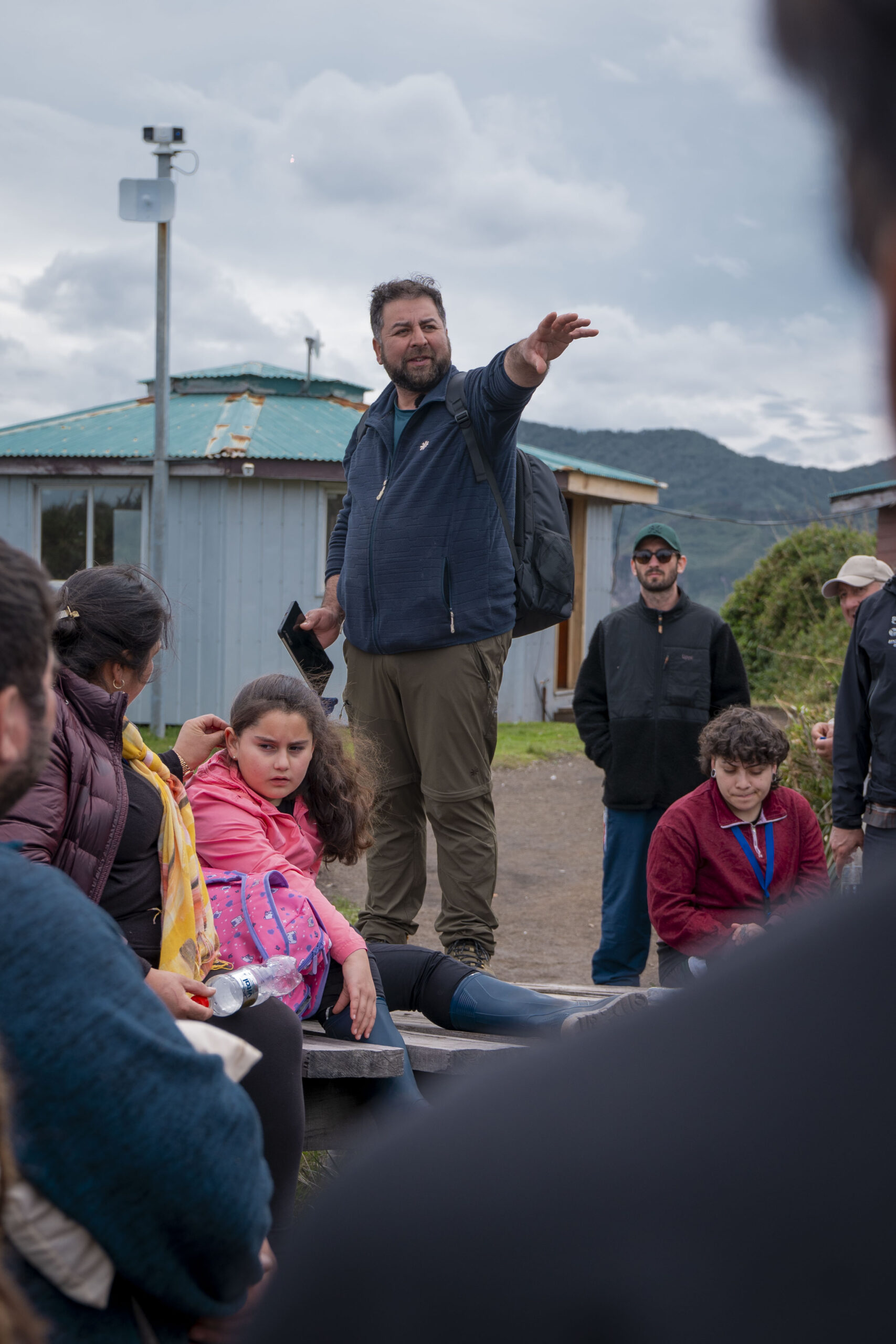
“With the experience we have gained from the other TURF-Reserves, you can see that it delivers results in preserving resources over the long term, which is the idea we have always had with our TURF, and now with this TURF-Reserve we could take much better care of them. Now we have to pass on what we learned and take it to our members to explain the idea of TURF-Reserves,” said Dag Koch, from the Azul Marino Union.
“To me, this is visionary, always thinking about leaving a legacy for those who come after. We are no longer predators. Our mindset has changed: we no longer think about scraping the bottom of the pot; now we think about leaving something for tomorrow,” added Juan Cárcamo, from the San Pedro Puente Quilo Union.
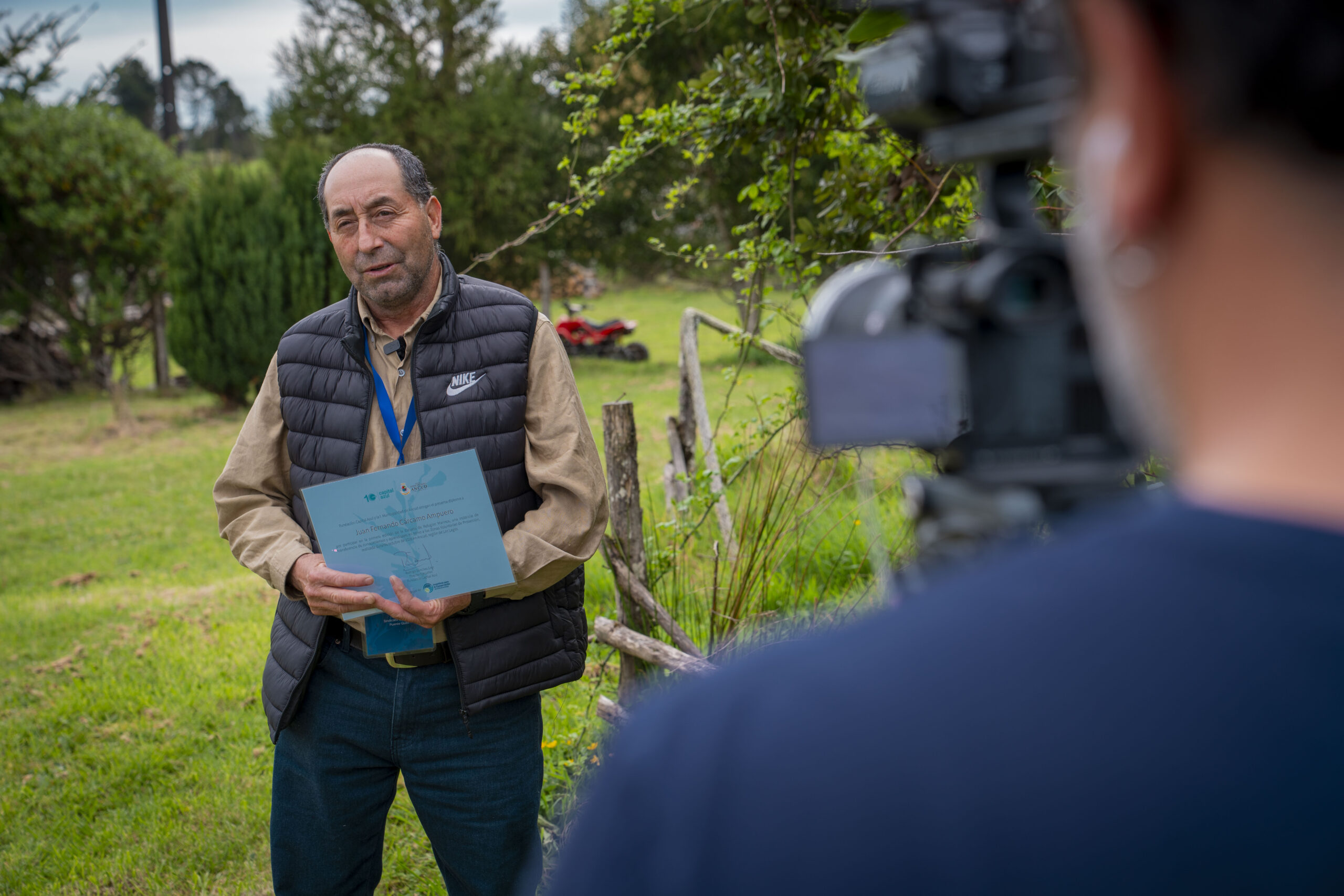
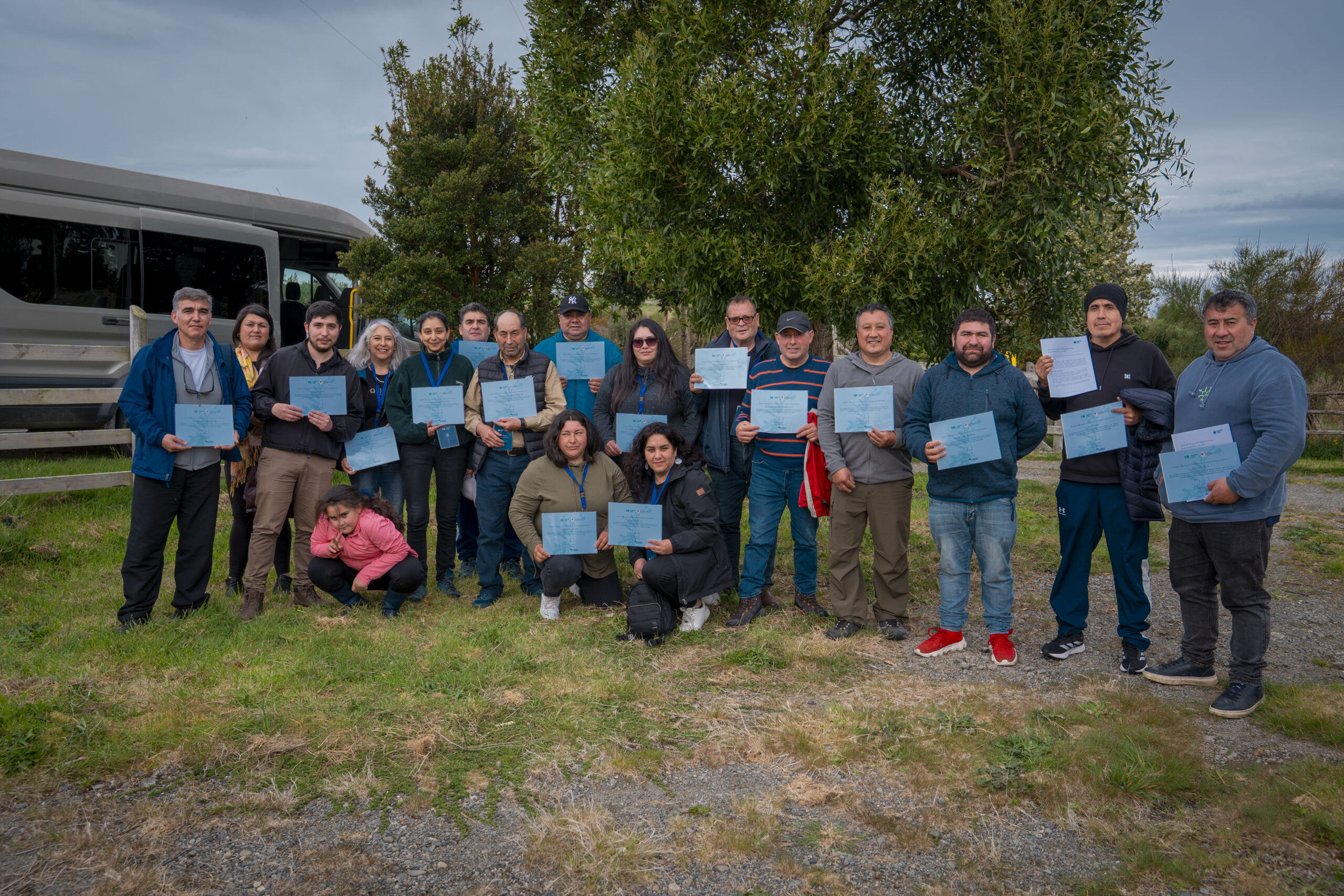
The TURF-Reserves Academy closed in Chepu with a curanto, a traditional Chiloé feast, held at a local community restaurant, yet another example of how Voluntary Protection Zones can boost sustainable local economies. Participants received certificates of participation, and the day ended with a commitment to care for biodiversity, with the aim of establishing Ancud as a new beacon of marine sustainability in the Chiloé Archipelago.

RELATED NEWS