During the summer now drawing to a close, the northern coast of the Valparaíso Region became the setting for an unprecedented visual journey. The traveling photo exhibition “Discovering TURF-Reserves” invited residents and tourists to dive into the vibrant biodiversity of central Chile’s coastal and marine ecosystems.
Organized by Capital Azul Foundation with support from BHP Foundation, the exhibition highlighted a new marine conservation paradigm led by artisanal fishers themselves. TURF-Reserves are Voluntary Protection Zones established by fishers within their TURFs (Territorial User Rights for Fisheries, known in Chile as AMERB). These areas act as “natural nurseries” that, thanks to the spillover effect, improve the productivity of nearby fishing grounds and strengthen the local economy.

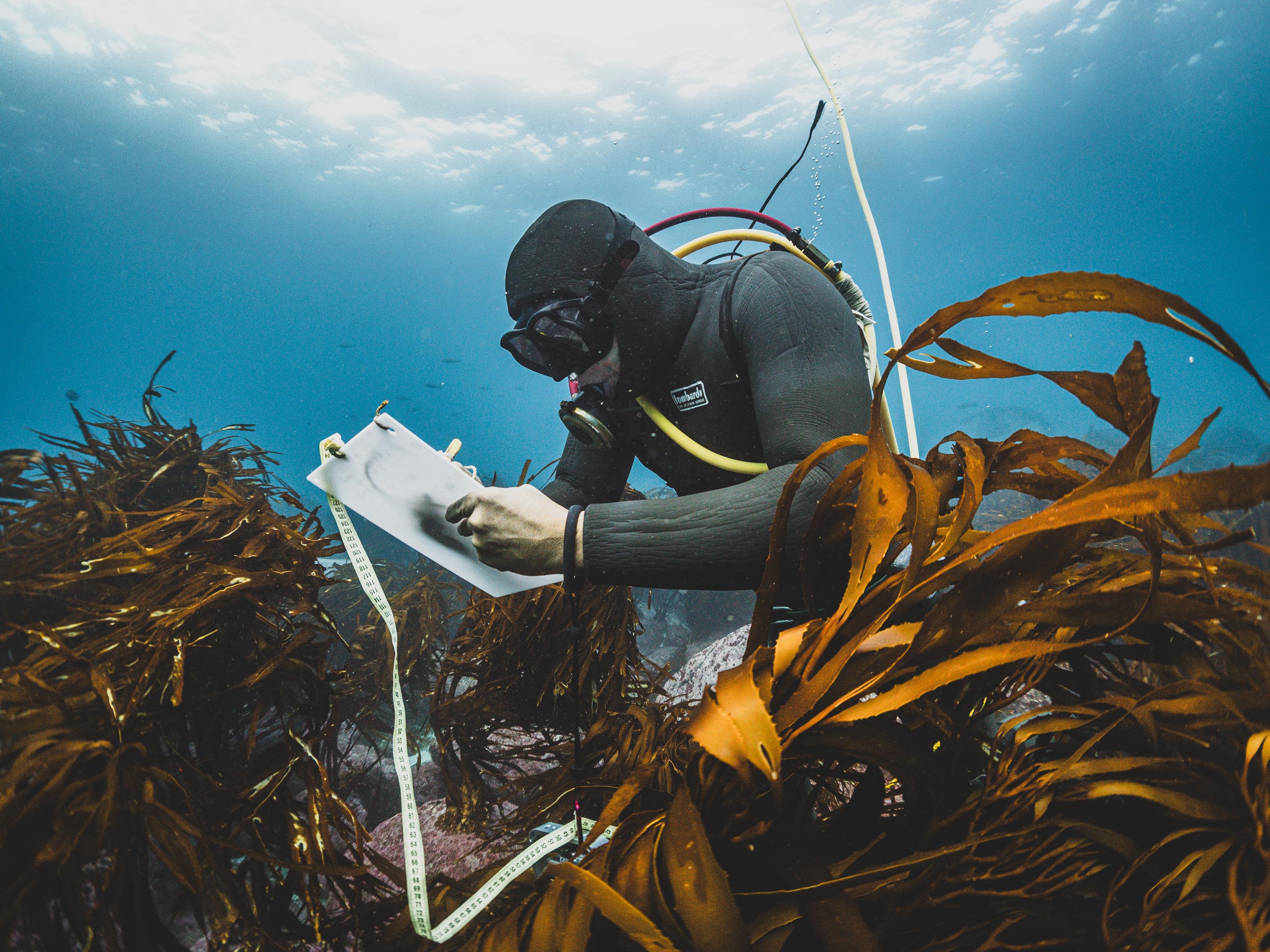
The exhibition brought together the work of 15 talented underwater photographers who captured the essence of the La Polcura, Zapallar, Cachagua, Maitencillo and Ventanas TURF-Reserves. Like a door into the depths of the ocean, the exhibition was above all an invitation to dive into these Voluntary Protection Zones that give the sea a break, revealing the remarkable resilience of the biodiversity along the coast of the Valparaíso Region.
From dense kelp forests to the hidden life among the rocks, each photograph is a testimony, a bridge between the surface and the seafloor, reminding us that when science and local communities come together, life springs back strongly for the benefit of ecosystems and the people who depend on them.

The traveling exhibition of nearly 40 images began at the Zapallar fishing cove, which hosted the opening with a panel discussion featuring three leading figures in Chilean underwater photography who took part in documenting the TURF-Reserves: world champion José Tomás Yakasovic, Cecilia Leyton and Sebastián Durán.

Maitencillo was the exhibition’s second stop. In the heart of the fishing cove, amid the smell of the sea and the fish and seafood stalls, it opened a window onto a world almost invisible to most people, shedding a little light on the biodiversity quietly recovering in the TURF-Reserves. La Ballena hosted the third stop, where, among local shops and just steps from the La Polcura fishing cove, the exhibition caught the attention of residents and summer visitors.

To close this visual journey, the exhibition was shown at Espacio Zinc, in Laguna de Zapallar, from Saturday, February 7, to Sunday, March 1. On Saturday, February 28, it hosted the “Shapes and Perspectives of a TURF-Reserve” workshop, designed and led by Magdalena Isaacson of Velcro Ediciones. It brought different generations together, with children playing a leading role. Using the photographs as a starting point, everyone let their creativity loose on a journey of collective creation that invited us to see ourselves as part of a living system.

From the perspective of Tomás Moggia Cárdenas, Communications Director at Capital Azul Foundation, the initiative marks a milestone in connecting with the public: “Our goal was to connect the surface with the depths, showing that artisanal fishers today are leading a new paradigm where extraction and conservation are not opposites, and where there can be a balance for the well-being of coastal and marine ecosystems and local communities. Through art and photography, we managed to carry the message of TURF-Reserves from the eyes to the hearts of those who live in and visit these sea territories, where the community plays a key role in helping to care for them.”
This photo exhibition across different fishing coves and towns in the Valparaíso Region showed us the enormous interest in discovering the beauty hidden underwater, and it was a reminder of the sea’s astonishing ability to recover when we give it a break. But this journey beneath the waves continues, and we hope to soon take the exhibition to other places to keep bringing the vibrant biodiversity of the TURF-Reserves closer to people.


RELATED NEWS