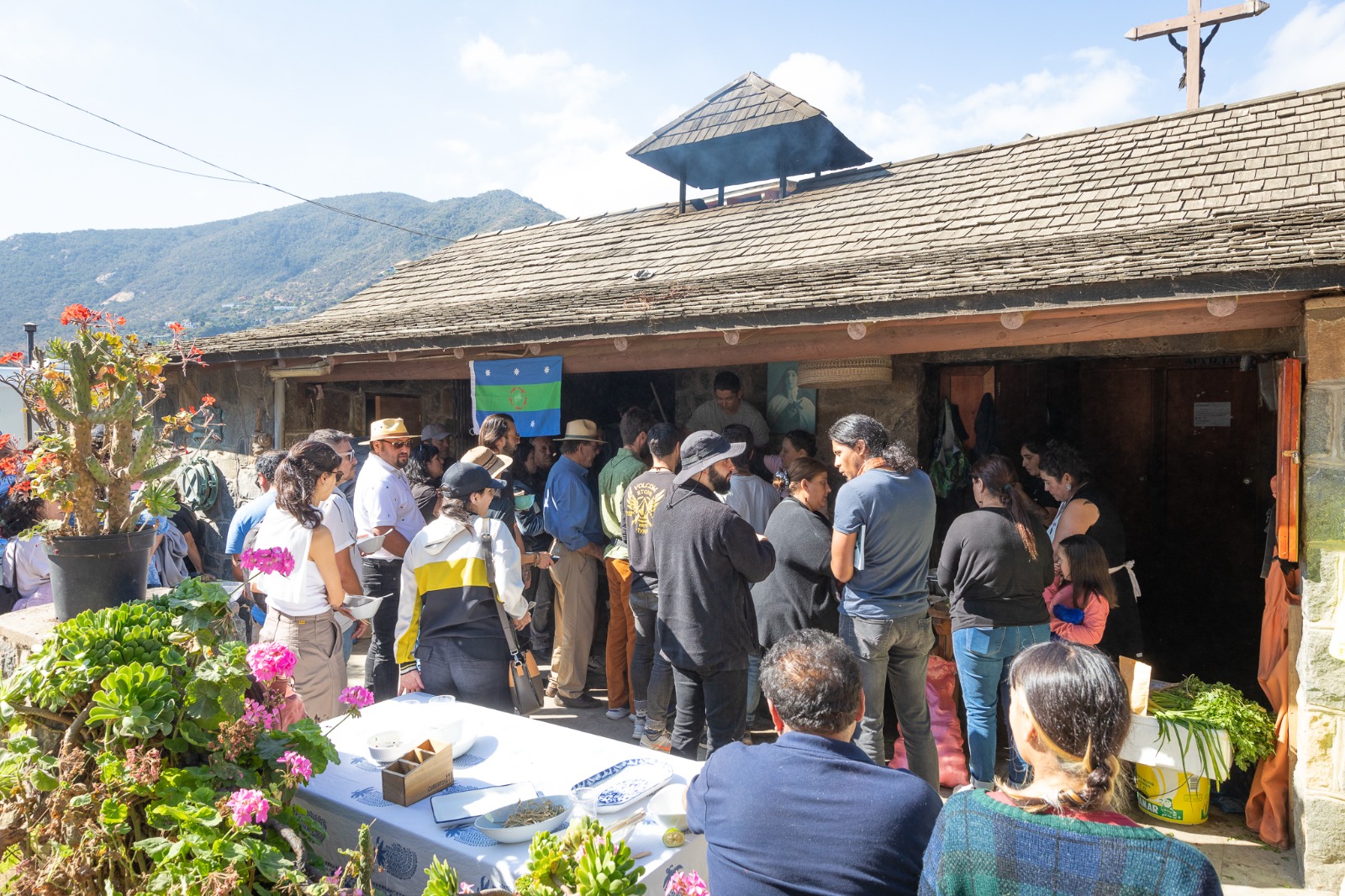
Mauricio Silva Tapia was 12 or 13 when he first looked at the seafloor through a mask. He did not yet know that the image would stay with him for decades. His grandfather had been a diver. So had his father. The sea, he says, was always close.
Now, with his Basic Shellfish Diver license in hand, he feels that part of that family history lives on. “It’s an unconditional love for the sea,” he says. “Staying connected to the sea is very exciting, very important to me.”
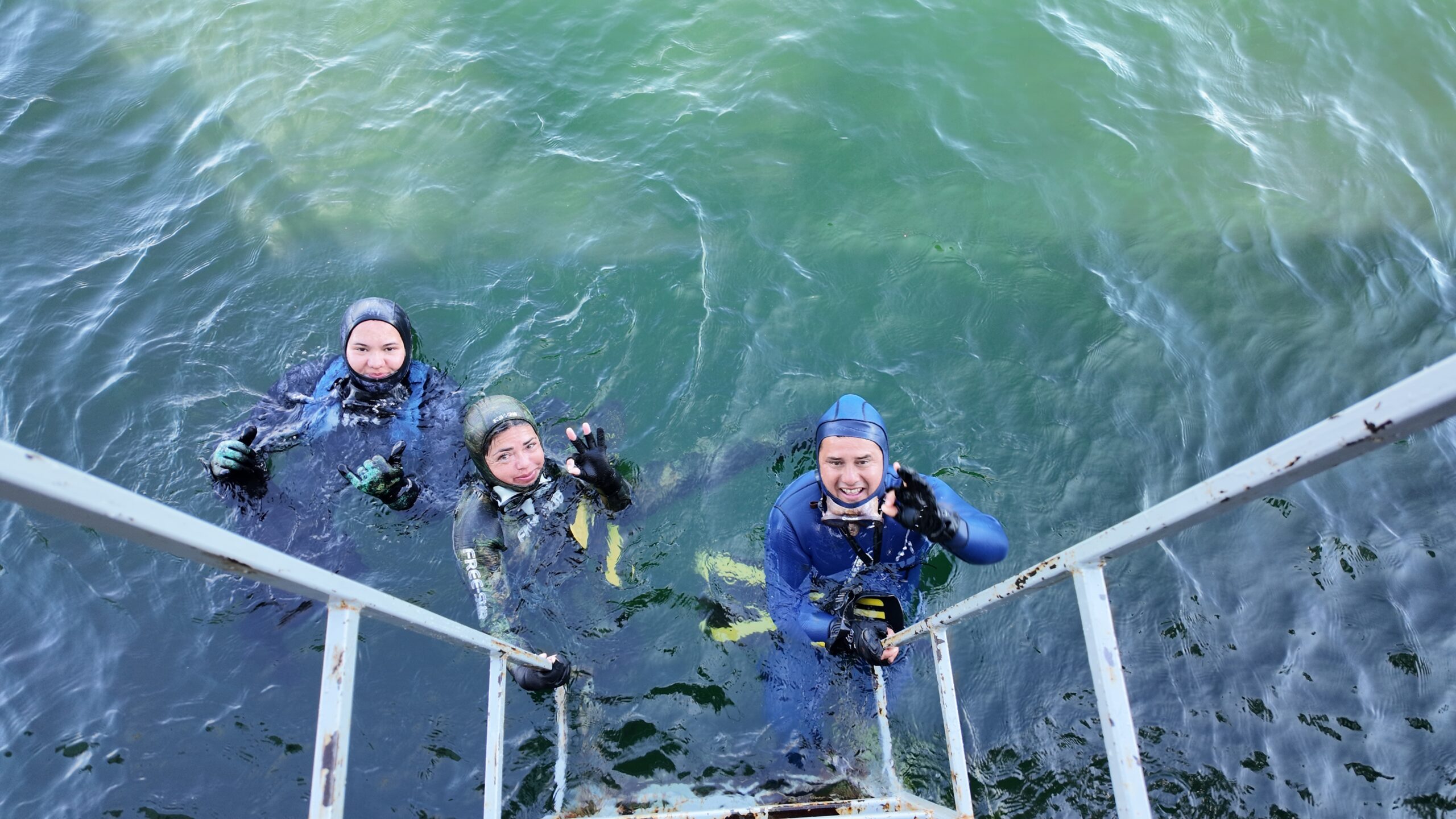
Mauricio was one of seven participants who, on September 15, passed the practical exam before the Maritime Authority and earned their Basic Shellfish Diver certification. They got there after months of preparation, training and classes that combined theory, safety, first aid, physiology, underwater work techniques and the sustainability of coastal and marine ecosystems.
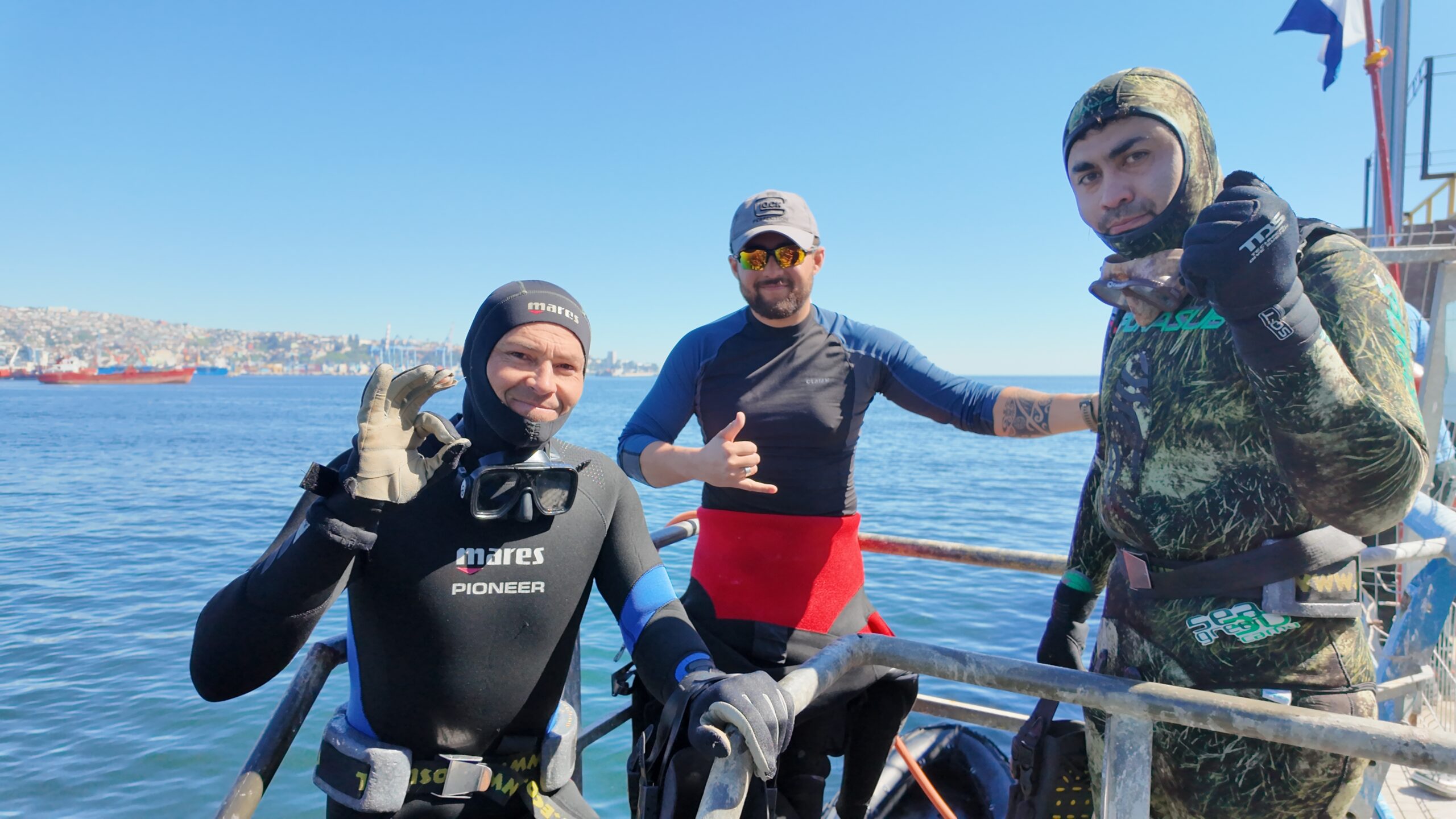
The Basic Shellfish Diver Course with an Emphasis on Coastal and Marine Sustainability was organized by Capital Azul Foundation as part of the GEF Incentives for Biodiversity Conservation Project and taught by ValpoSub. The initiative is part of the work carried out with fishing communities in the Valparaíso Region to strengthen local capacities and keep moving toward sustainable management of coastal and marine ecosystems.
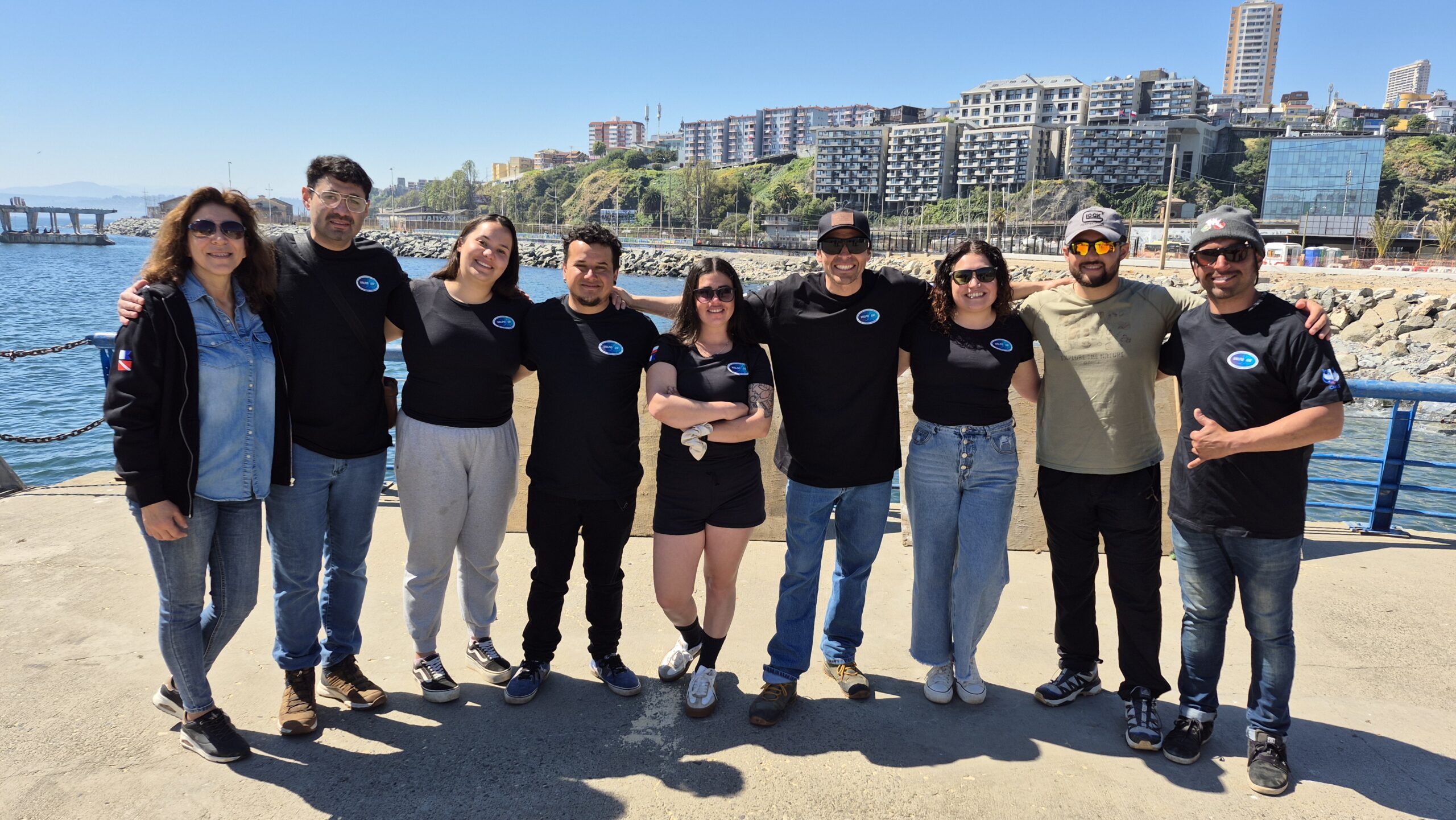
The process began with nine participants linked to the Maitencillo and Ventanas artisanal fishers unions, which also take part in the GEF Incentives Project’s demonstration experiences, along with family members, people who work with the coves and people from other coastal communities. Three of them are women. Of the nine who started the training, seven passed the theory exam and then moved on to the practical assessment at Muelle Barón. All seven passed that final stage.
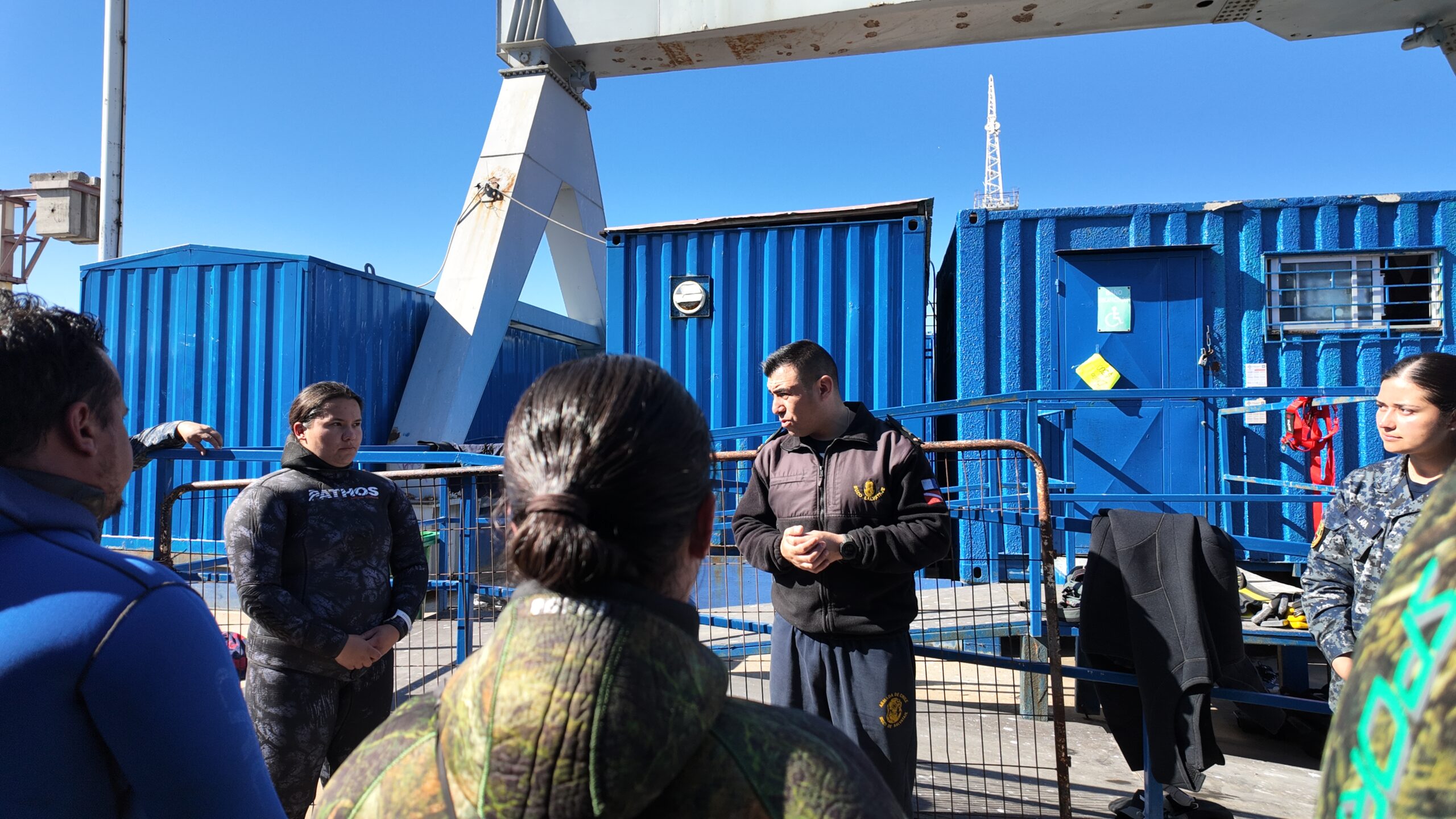
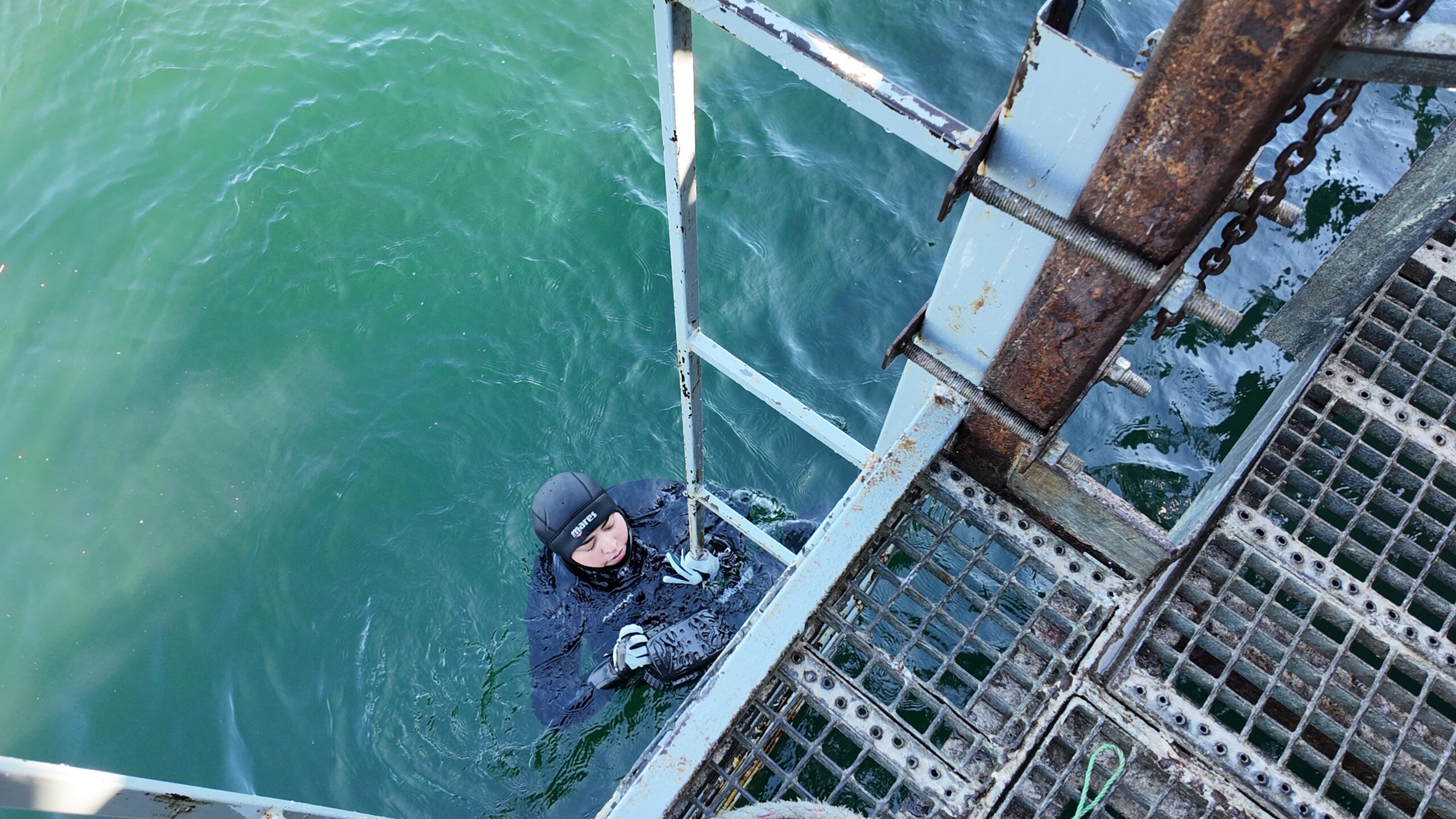
The tests were far from symbolic. Candidates had to swim 100 meters in under two and a half minutes, hold a one-minute static apnea and a 15-meter dynamic apnea, clear a diving mask underwater and share air with two teammates on the seafloor.
For Ema Salazar, the challenge was even harder: unlike several of her classmates, she had no previous diving experience. During the exam she had to repeat the 100-meter swim twice. She tried again and made it.
“I’m feeling a whirlwind of emotions after meeting this challenge,” she says. “For me it’s a big achievement.” Now she is thinking about what comes next: keep practicing and work toward new licenses and specializations.
GENERATIONAL RENEWAL
Behind the celebration, however, lies a concern shared by many coves and artisanal fishing organizations: who will carry on this work when the generations that sustain the trade today are no longer able to.
Andrés Smith, biodiversity monitoring lead at Capital Azul Foundation, has seen that change up close. He says the organizations he works with show a decline in diving activity and a lack of generational renewal. “The divers are getting older, and young people aren’t as interested in working at sea,” he notes.
José Valencia, Marine Experiences Coordinator for the GEF Incentives Project, said that “this course responds to a concrete need of the Marine Demonstration Experiences in the Valparaíso Region: having more trained and certified people so we can later move toward monitoring biodiversity and ecosystem services in the TURF-Reserves. For the GEF Incentives Project, strengthening these local capacities is essential, because it allows artisanal fishing organizations themselves to acquire the tools and knowledge needed to generate this kind of information in their management areas, evaluate the results of conservation measures and move toward adaptive, ecosystem-based management.”
In that context, the certification goes beyond the license. The course sought to broaden the base of trained people in the coves and bring new generations closer to a trade that, for decades, has been passed down mainly within families connected to the sea.
The 120-hour hybrid program included content on the marine environment and sustainability. The idea was for technical training to go hand in hand, from the start, with a broader understanding of the ecosystem in which the work takes place.
Capital Azul Foundation hopes to involve the newly certified divers in the TURF-Reserve monitoring work it carries out with artisanal fishing organizations. These areas need regular data to understand how their ecosystems are evolving and whether, for example, the abundance and biomass of the species that live there are increasing.
“The first training was for them to learn to dive and get certified by the maritime authority, and now it’s our turn to teach them to monitor,” Smith explains. The goal is for this new specialization to also open up job opportunities linked to conservation.
In other words, the certification does not mark the end of the process but the start of a new stage: moving from learning to dive to learning to record marine life with scientific methods and turn what is observed into useful information for the communities themselves.
With seven new certifications, the coves of Maitencillo, Ventanas and other coastal communities in the Valparaíso Region now have people with a new tool for working underwater. What happens next will depend on how much of that knowledge stays in the territory and also becomes a capacity to care for the sea.
RELATED NEWS