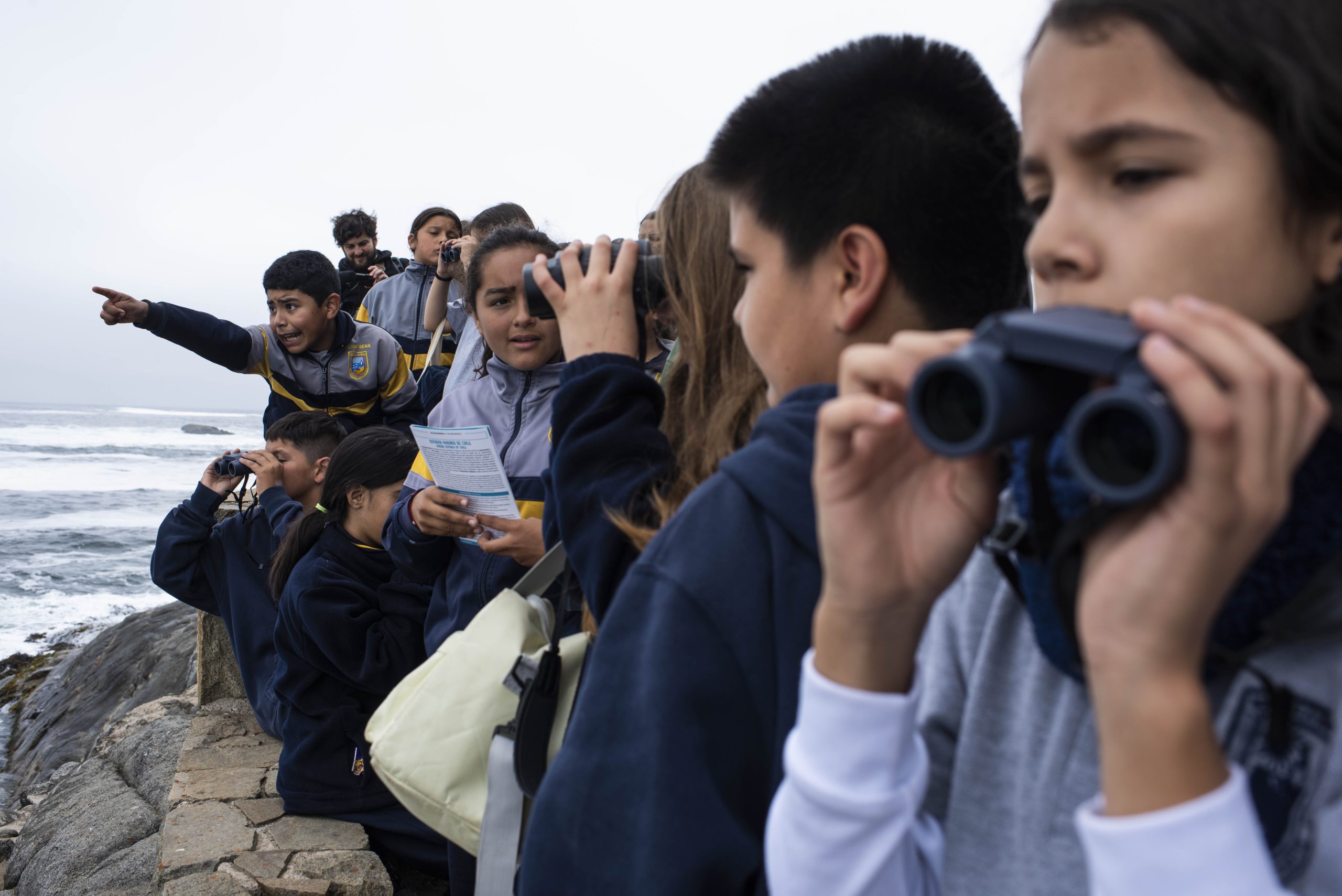
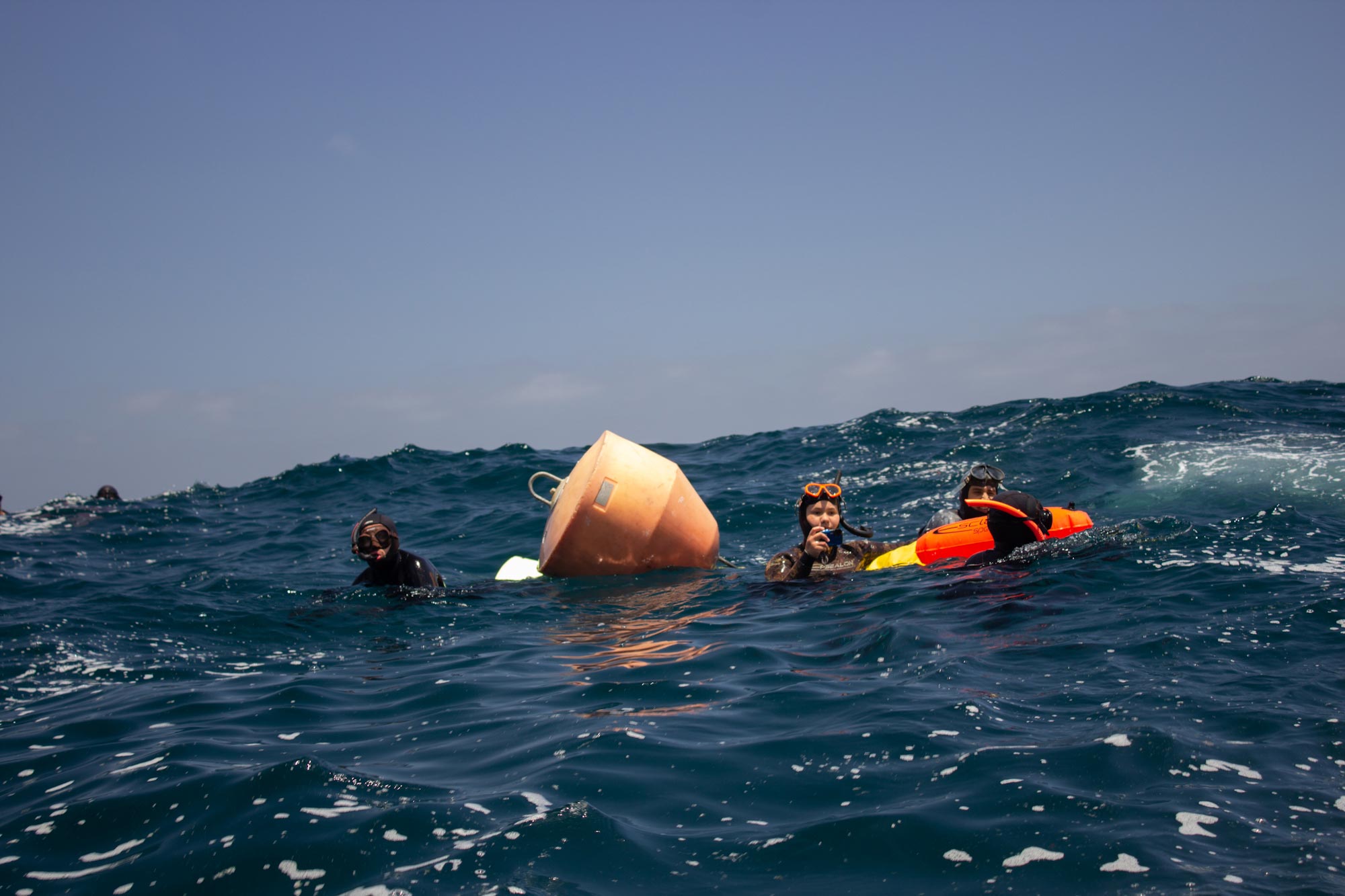
During the second half of 2024, Capital Azul Foundation and Fundación Mujeres de Mar, with support from BHP Foundation, carried out an assessment to gain a deeper understanding of the women connected to the sea in the communities where TURF-Reserves are located.
The need for this study arose from the work Capital Azul has been doing since 2016 in five fishing coves in the Valparaíso Region to establish TURF-Reserves (or Voluntary Protection Zones under the new Benthic Law), which are sea areas set aside for conservation within TURFs (Territorial User Rights for Fisheries, known in Chile by the Spanish acronym AMERB) managed by artisanal fishing organizations.
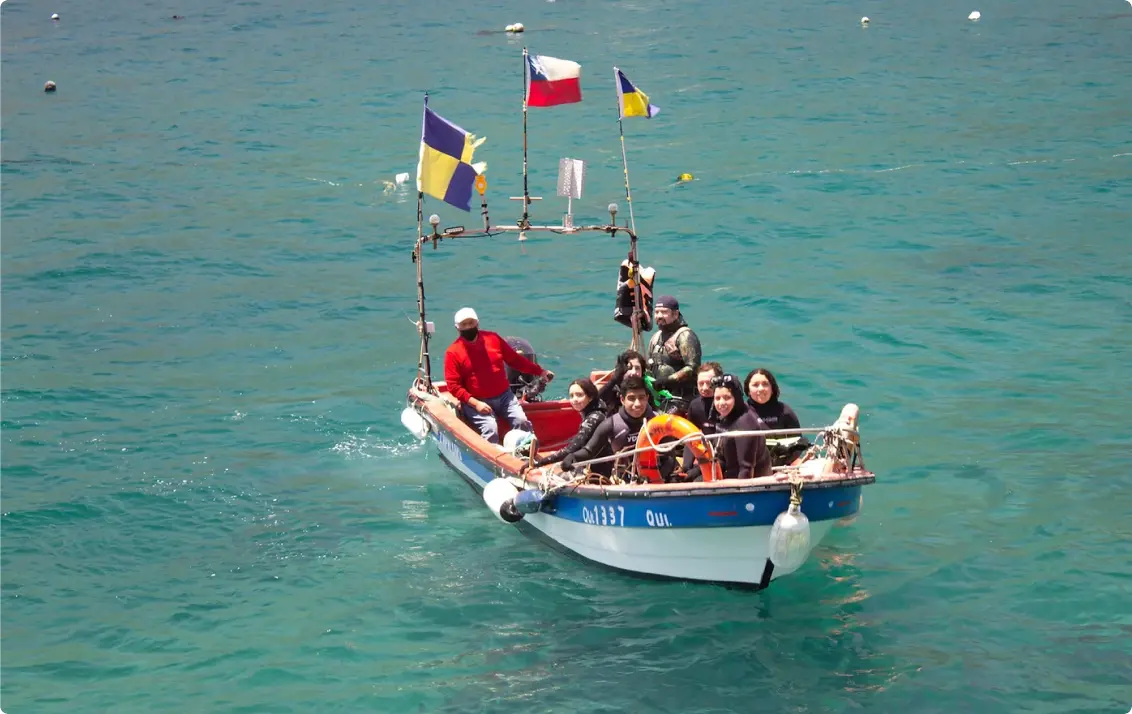
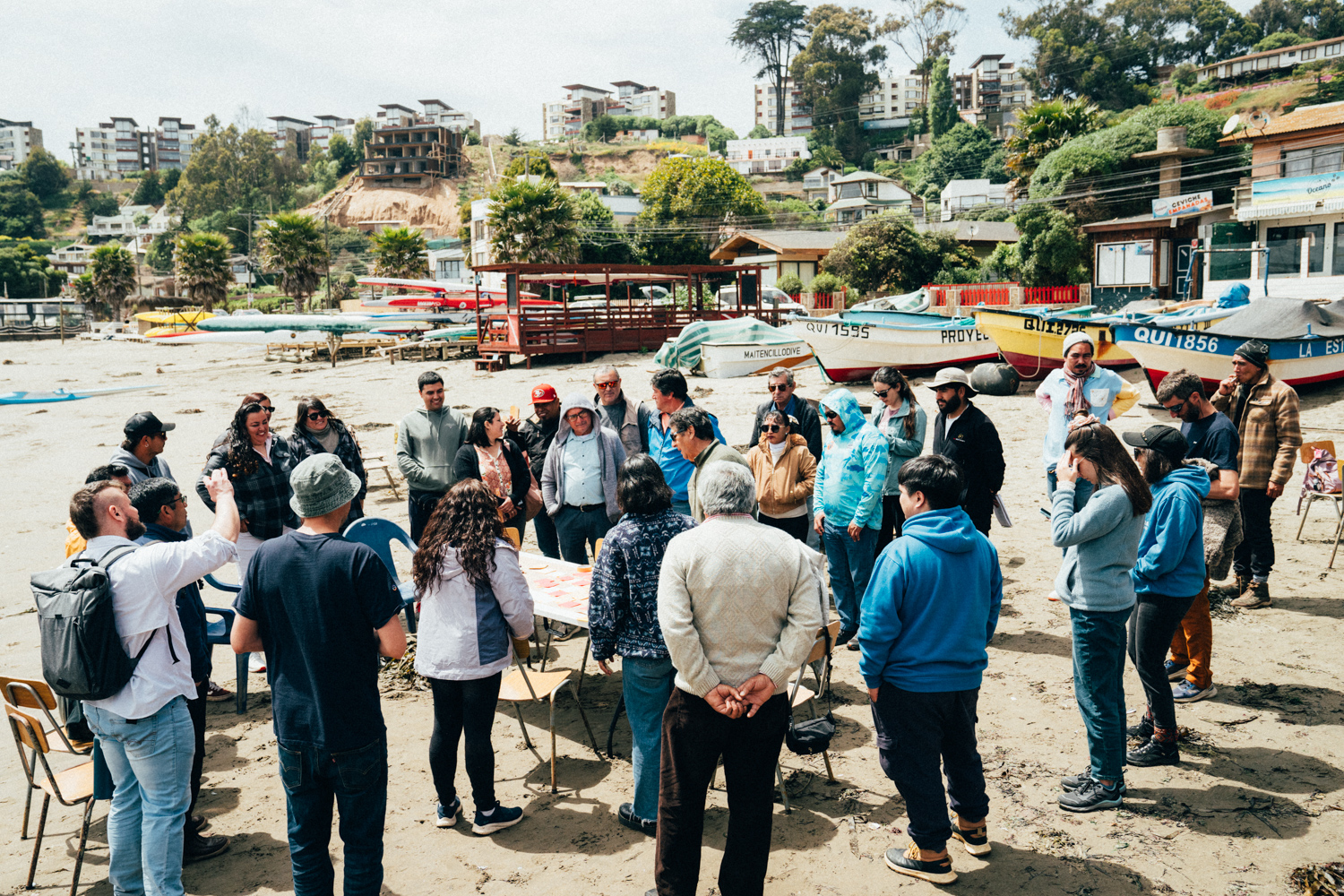
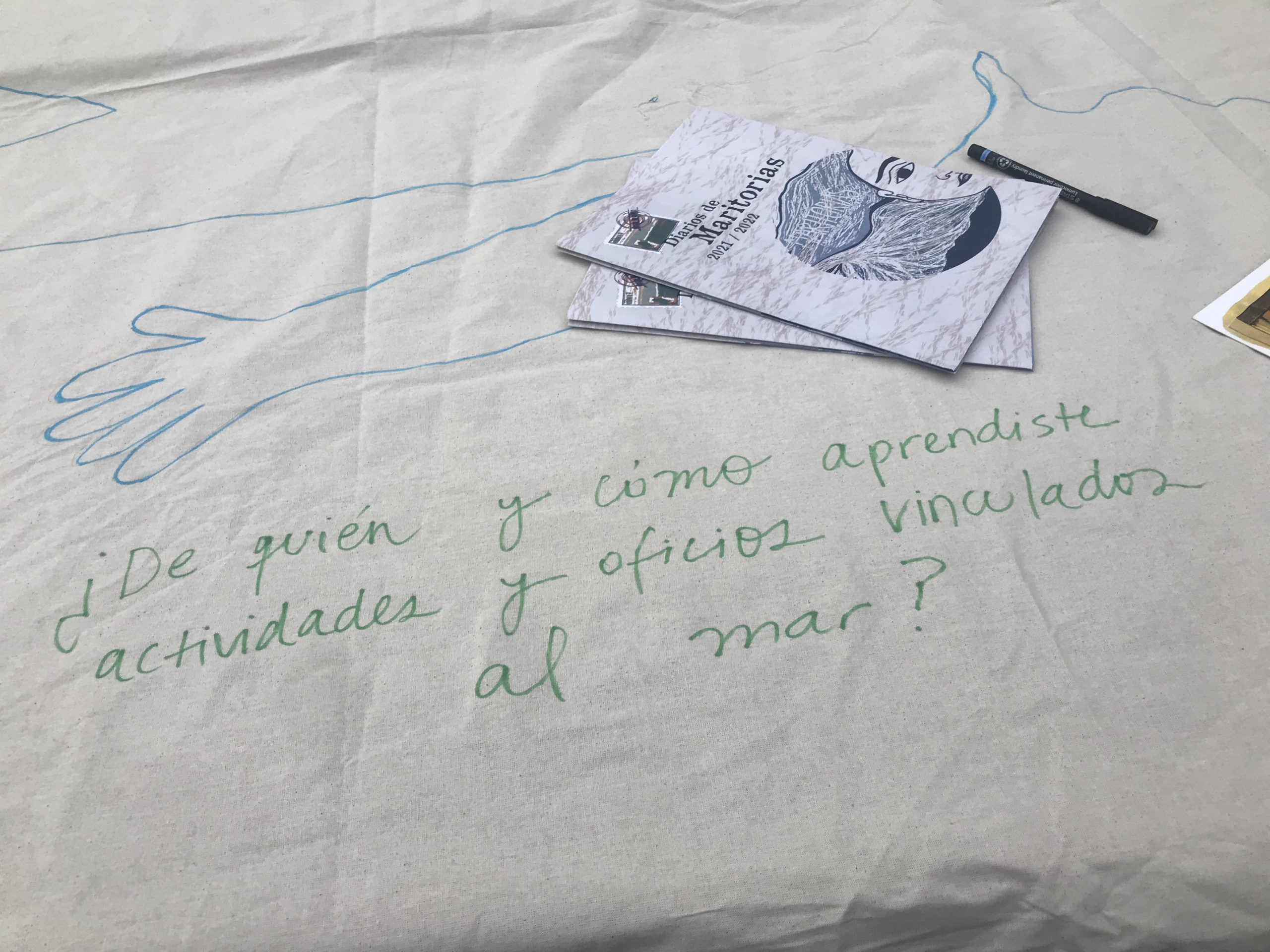
This work involves several challenges, some of which cut across Chilean society, including the inclusion of young people and women in spaces where they can take part in decisions and find different ways to participate. In this context, 50 women were surveyed to learn about their socioeconomic situation and their role in fishing trades, related activities and other sea-related work in the communities where the TURF-Reserves are located: La Ballena, Zapallar, Cachagua, Maitencillo and Ventanas.
“This characterization is important because it allows us to make decisions and design activities to address the challenges that arise, creating an opportunity to bring new actors, such as women, into the work being done with the coves and the TURF-Reserves. So, in addition to being a space for ecosystem conservation and restoration, the TURF-Reserve is also an initiative that equitably brings together different actors in society and in coastal communities,” said Rodrigo Sánchez Grez, Executive Director of Capital Azul Foundation.
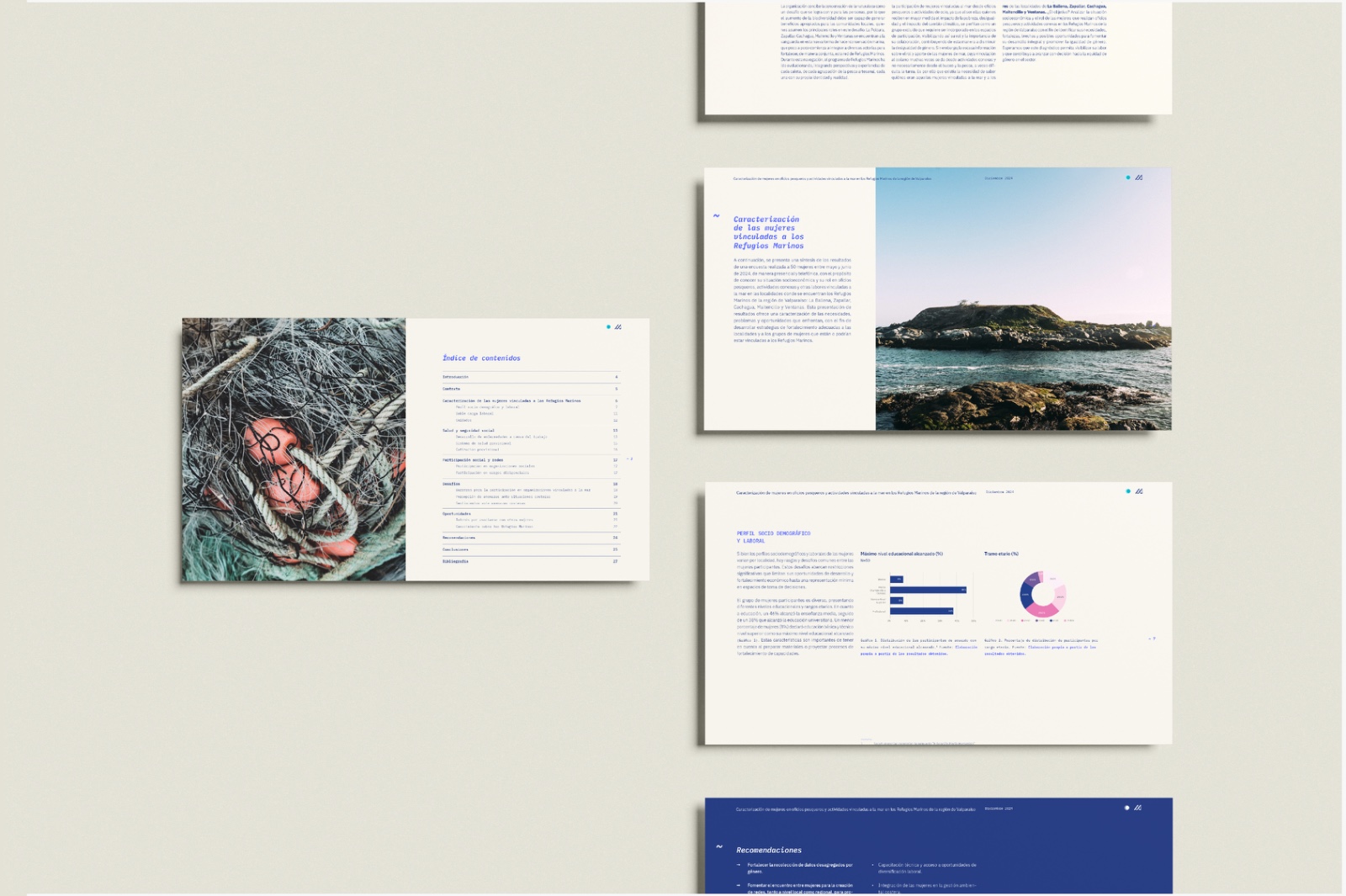
Some of the information gathered was compiled in a document summarizing some of the study’s results (PDF in Spanish), which offers a characterization of the needs, challenges and opportunities faced by women of the sea, in order to develop capacity-building strategies suited to the communities and to the groups of women who are or could be connected to the TURF-Reserves.
“The results we obtained have given us a deeper understanding of the sociodemographic, economic and health characteristics of the women who are connected to the sea through trades or other activities in the places where there are TURF-Reserves. We were able to get a sense of their interests, their concerns and the fundamental role they play in the development and functioning of the coves that are part of the TURF-Reserve Program. This assessment has therefore been a first step that guides us in how to begin co-creating strategies that address job insecurity and the barriers to participation faced by women of the sea in fishing communities, seeking recognition of their role in artisanal fishing and marine conservation,” explained Carola Benítez Padilla, territorial coordinator at Capital Azul.
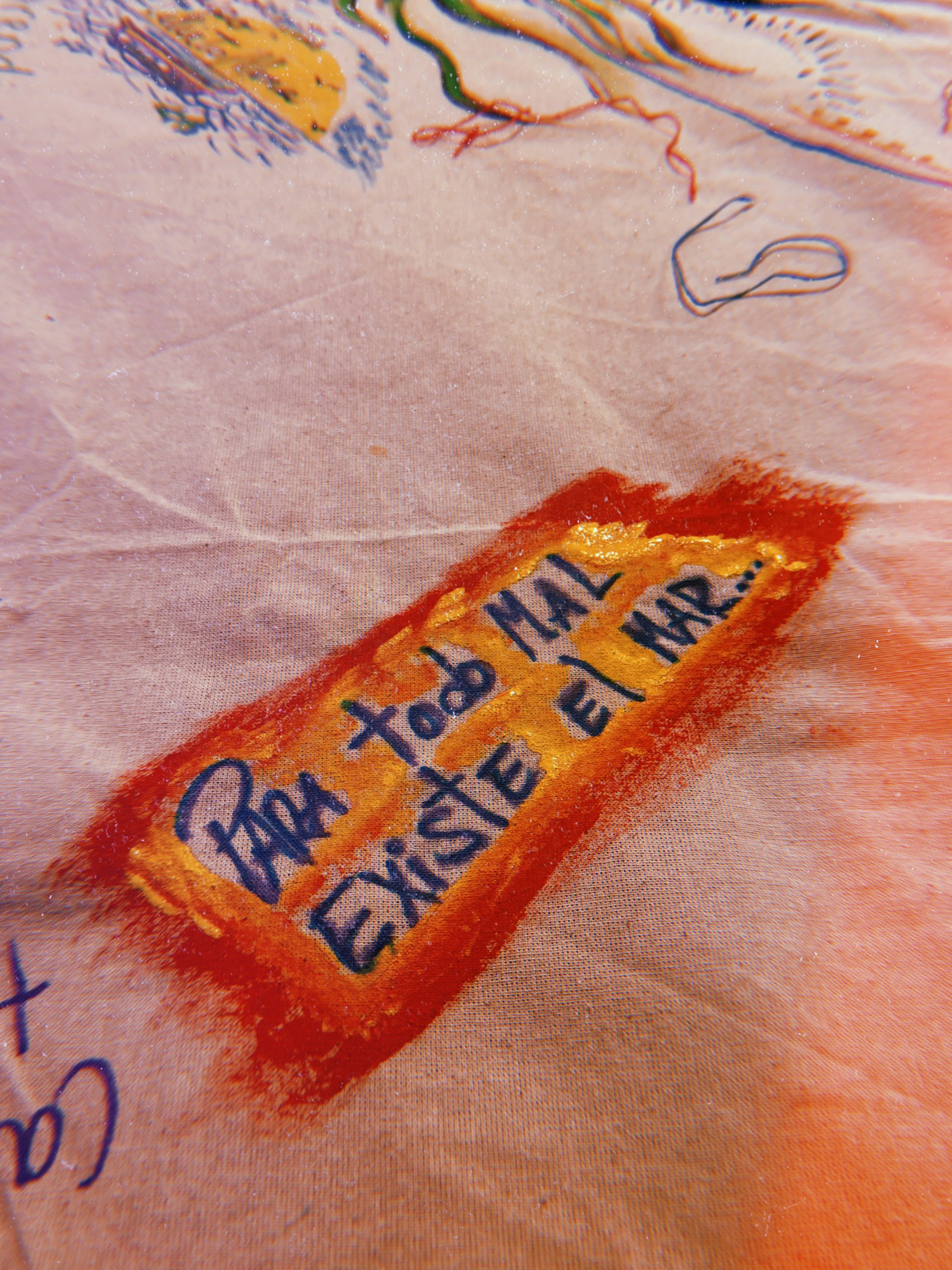
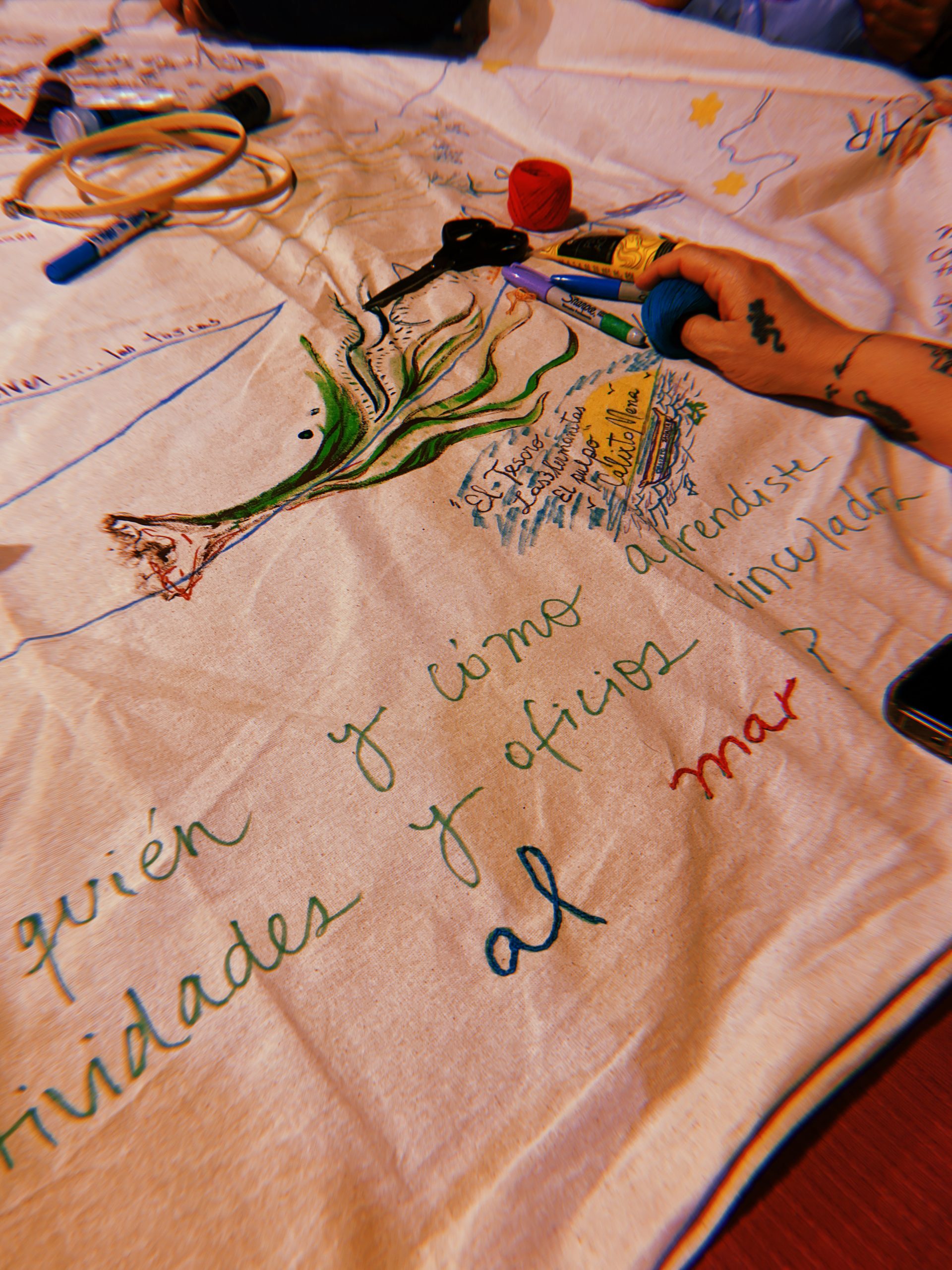
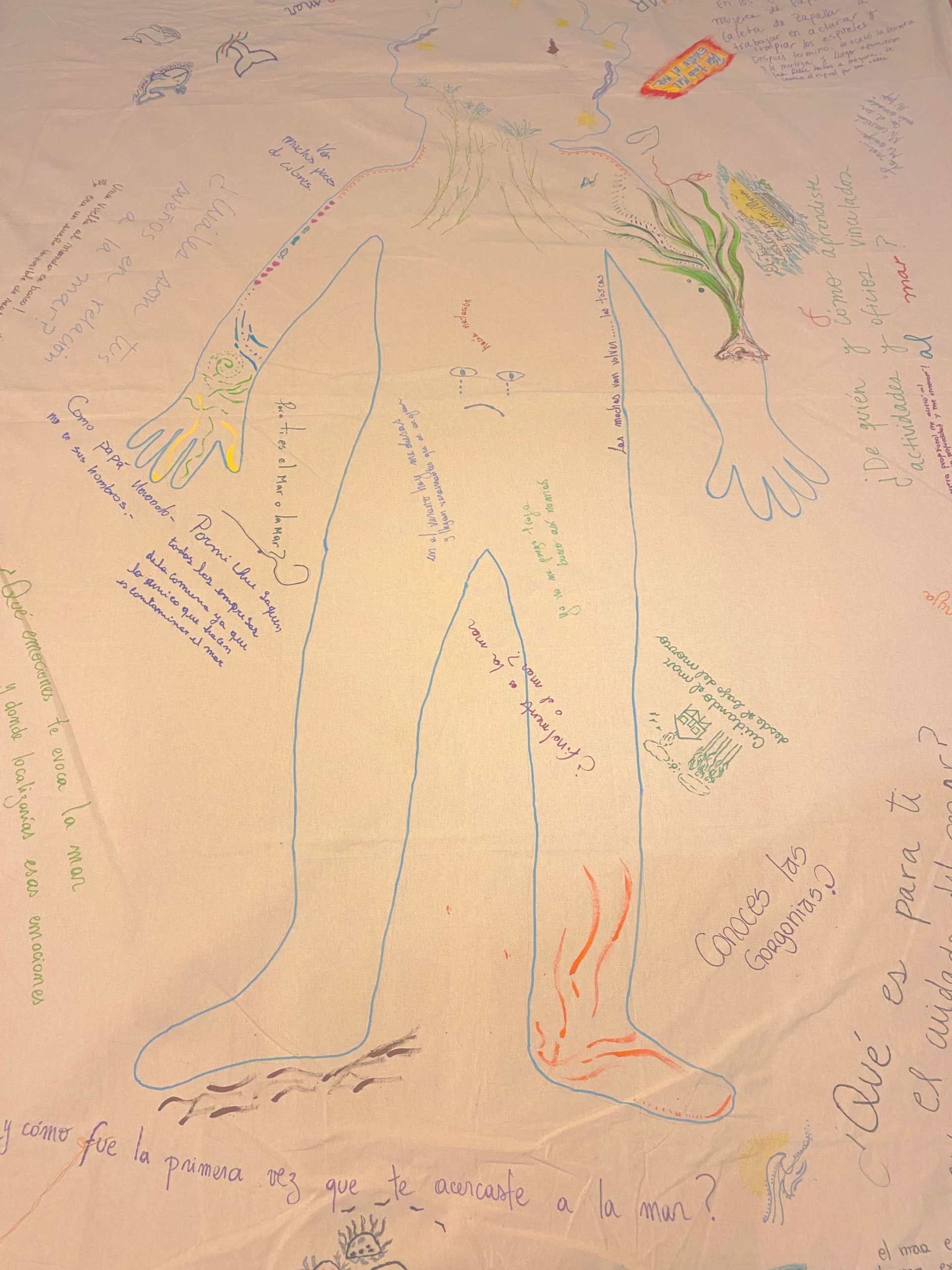
“The idea that women bring bad luck at sea is still present in some fishing coves, but this document shows that these communities are beginning to move toward a more equitable culture. This research is key because it helps identify paths so that more and more women in coastal areas can develop to their full potential,” added Alejandra Garcés, BHP Foundation Country Director.
The document delves into topics such as the double workload, care work, work-related illnesses, participation in social organizations and leadership roles, and even identifies barriers and guidelines for effective participation in sea-related organizations.
“Working with Capital Azul has been enriching in many ways, from the synergy between both teams to the dialogue with a diverse range of women of the sea, who not only shared their experiences but also expressed their desire to connect and collaborate with one another,” said Daniela Tapia Navarrete, project manager at Fundación Mujeres de Mar.
This work is expected to help guide the search for alternatives and solutions, together with artisanal fishing organizations, to promote women’s participation and move toward marine conservation and community development that embrace a diversity of actors and perspectives.
We invite you to learn more about the reality of women of the sea by downloading the full document here (PDF in Spanish).
RELATED NEWS