After a successful first edition in 2023, this year Capital Azul Foundation and The Nature Conservancy (TNC) Chile are once again joining forces to organize the 2nd International TURF-Reserves Meeting, an event supported by BHP Foundation and the SECOS Millennium Institute, with the collaboration of the artisanal fishers unions in the TURF-Reserve Program.
Since TURF-Reserves are a conservation tool located within Territorial Use Rights for Fisheries (TURFs), an access regime that grants exclusive harvesting rights to artisanal fishing organizations, artisanal fishers themselves will play a leading role in the meeting.
They will be joined by authorities, public institutions, civil society organizations, consulting firms and scientists, who will work together in this space designed to promote the exchange of experiences and collaboration around TURF-Reserves.
Along with artisanal fishing organizations from Chile, this second edition will welcome artisanal fishers from different communities in Mexico and part of the technical team of Comunidad y Biodiversidad (COBI), an organization that has spent more than two decades encouraging the establishment of Fish Refuges, a tool with certain similarities to the TURF-Reserves promoted by Capital Azul Foundation. This makes the meeting a great opportunity to exchange lessons learned.
The event will take place from Tuesday, November 5, to Thursday, November 7, in Ventanas and Maitencillo, in the district of Puchuncaví, covering two of the five communities where Capital Azul works hand in hand with artisanal fishers unions in the Valparaíso Region. It will focus on three themes: legal framework, coastal surveillance and biodiversity monitoring. These main themes will provide the framework to discuss and explore alternatives that can be applied locally and internationally.
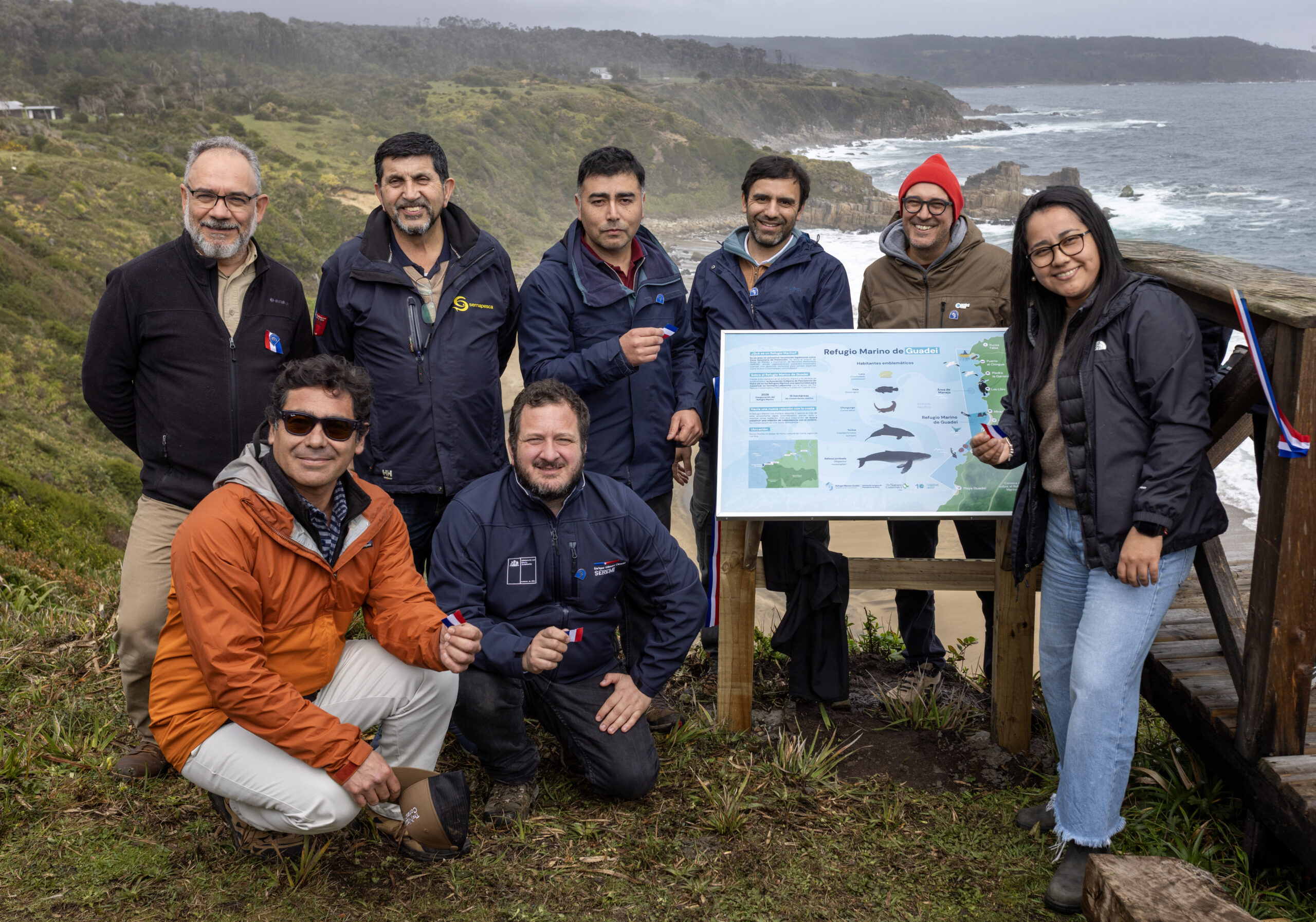
“We are very excited about what we can learn on this occasion. These conversations can help us look to the future, building on what has already happened this year, such as the recognition of TURF-Reserves in the Benthic Law, which opens a new stage for TURF-Reserves and for their formal implementation within TURF monitoring plans,” said Rodrigo Sánchez Grez, Executive Director of Capital Azul Foundation.

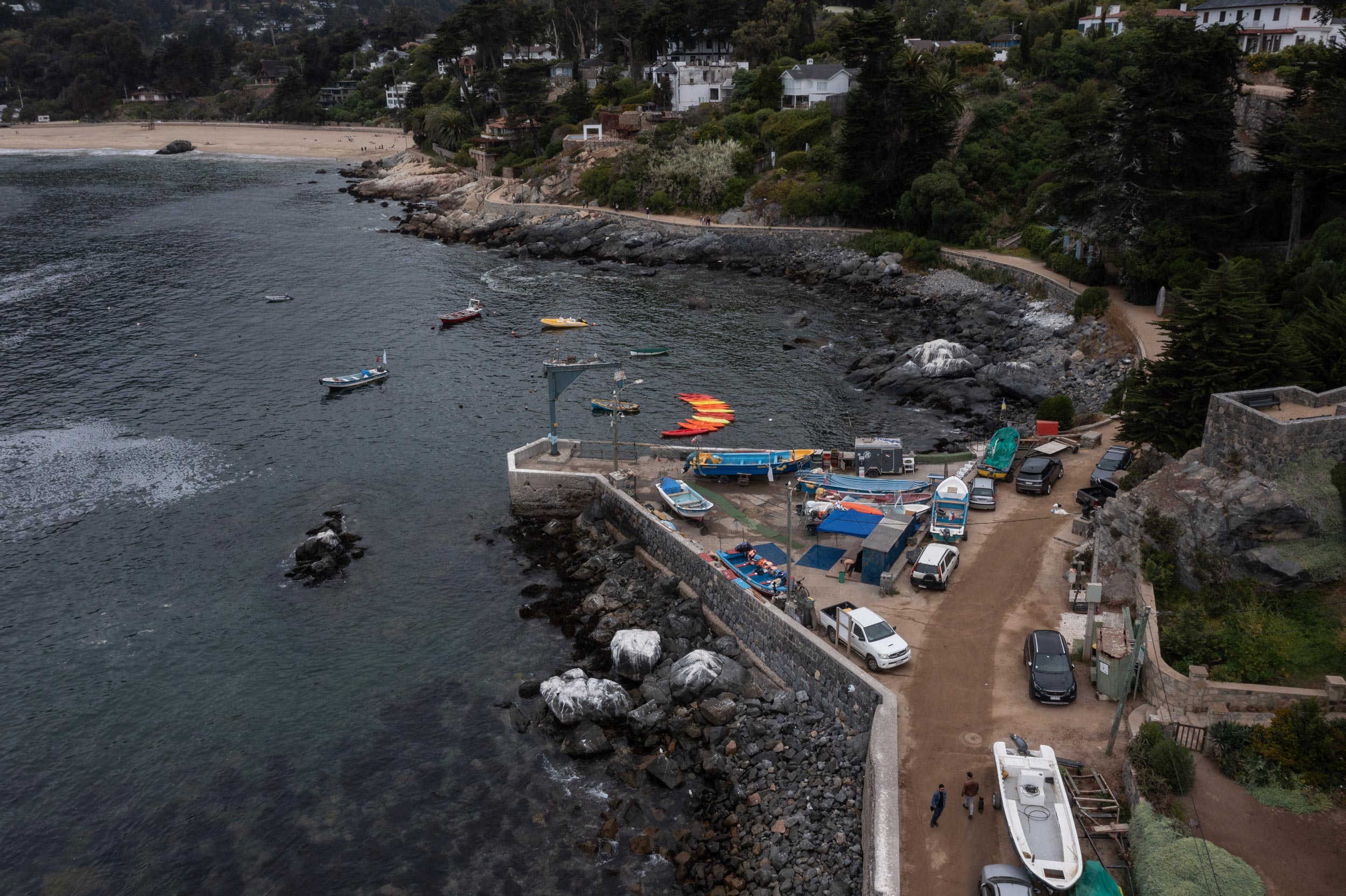
La Polcura, Zapallar, Cachagua, Maitencillo and Ventanas are at the forefront of this new way of doing marine conservation, which is gradually bringing in a range of stakeholders to jointly strengthen this network of TURF-Reserves.
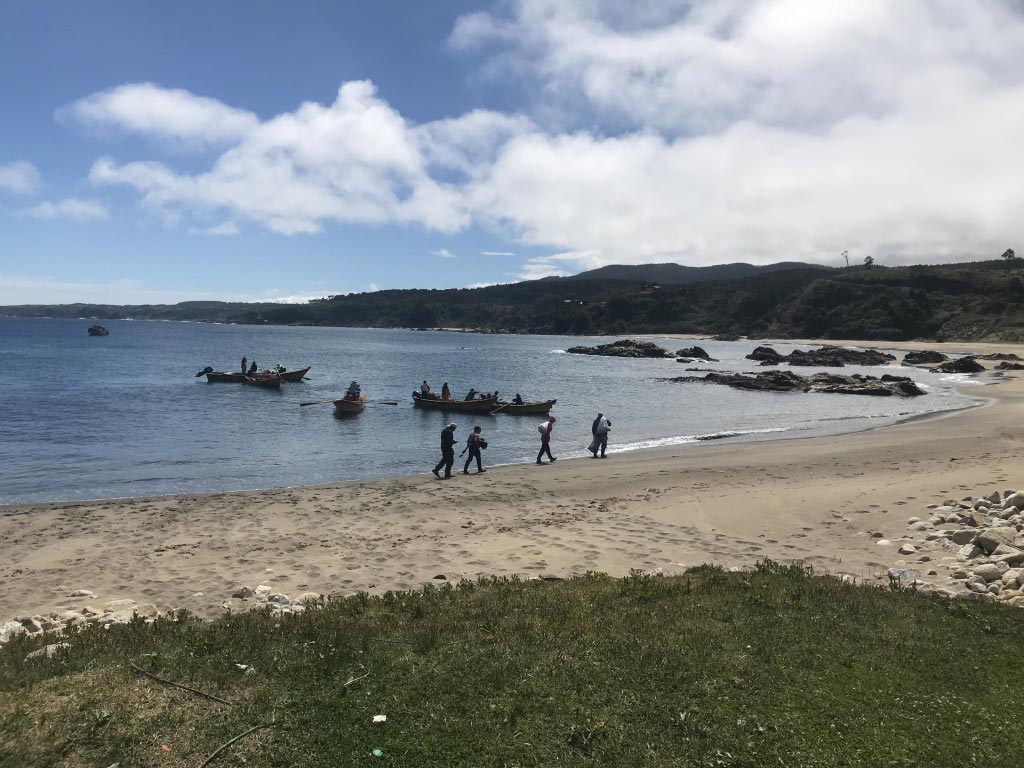
“Local fishing communities are the ones who best understand the impact of their actions on the natural resources they depend on. They have seen the species that sustain their livelihoods decline, and they have also organized to protect them by establishing TURF-Reserves within TURFs. Today we can say that TURF-Reserves help maintain biodiversity and, as a result, improve the quality of fishing. This science-based approach is endorsed and promoted by the State, by civil society organizations and by fishers’ organizations and local communities themselves. It happens in the territories, and that is what makes it effective,” says Natalio Godoy Salinas, lead scientist of TNC Chile’s Oceans program.
Another issue that could begin to be addressed at the event is the possibility of seeking funding mechanisms to benefit communities that implement TURF-Reserves, in line with Other Effective area-based Conservation Measures (OECMs), which support ecosystem restoration and also provide ecosystem services to nearby communities.
“It will be a great opportunity for all of us working on TURFs to learn from one another,” says Sánchez, highlighting the strong participation of fishing community representatives. “That gives the activity a different character, because when peers talk to each other you can see that there are common challenges in conserving an area within a space designed for productive activities, as TURFs are.”
RELATED NEWS