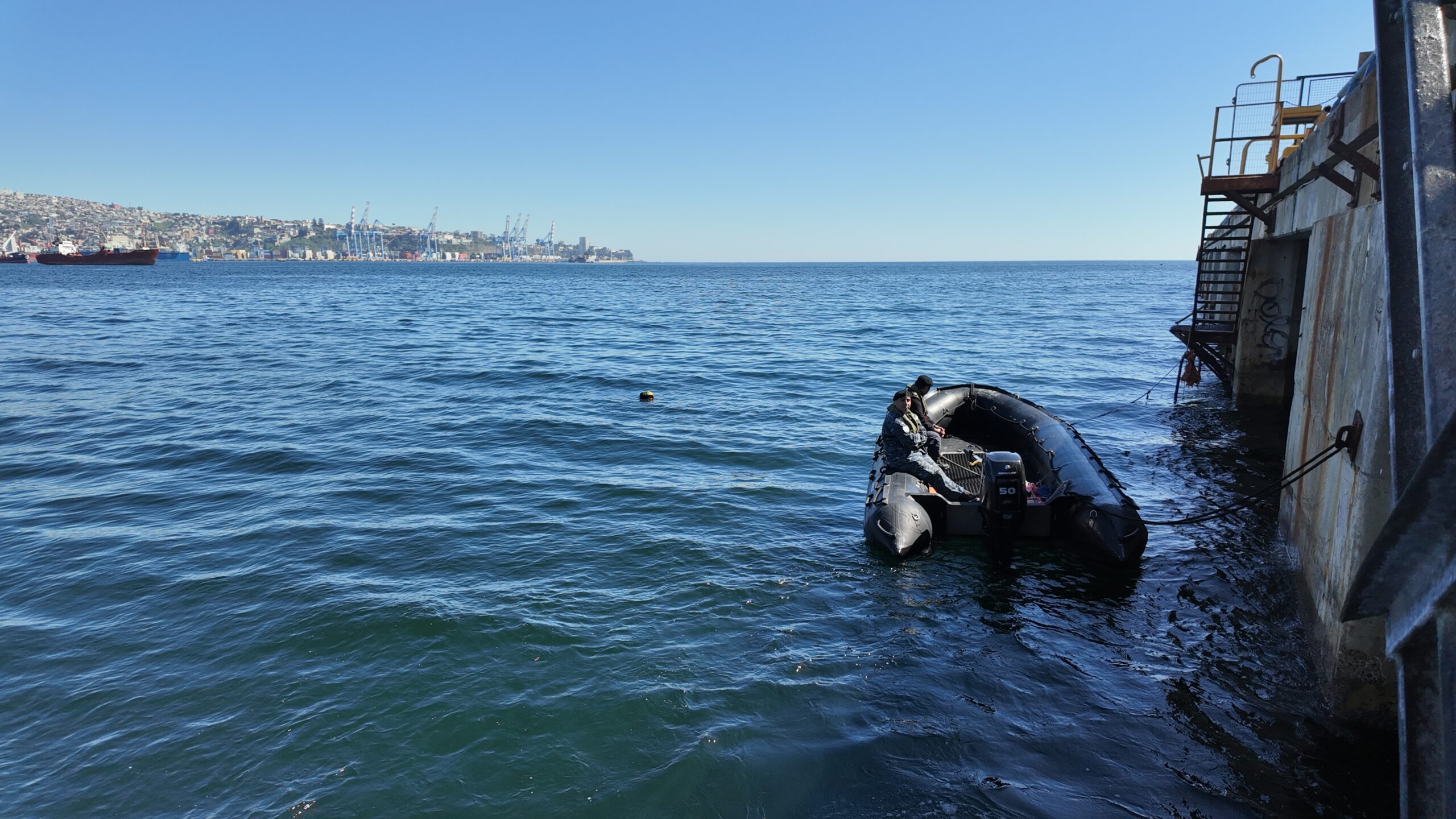
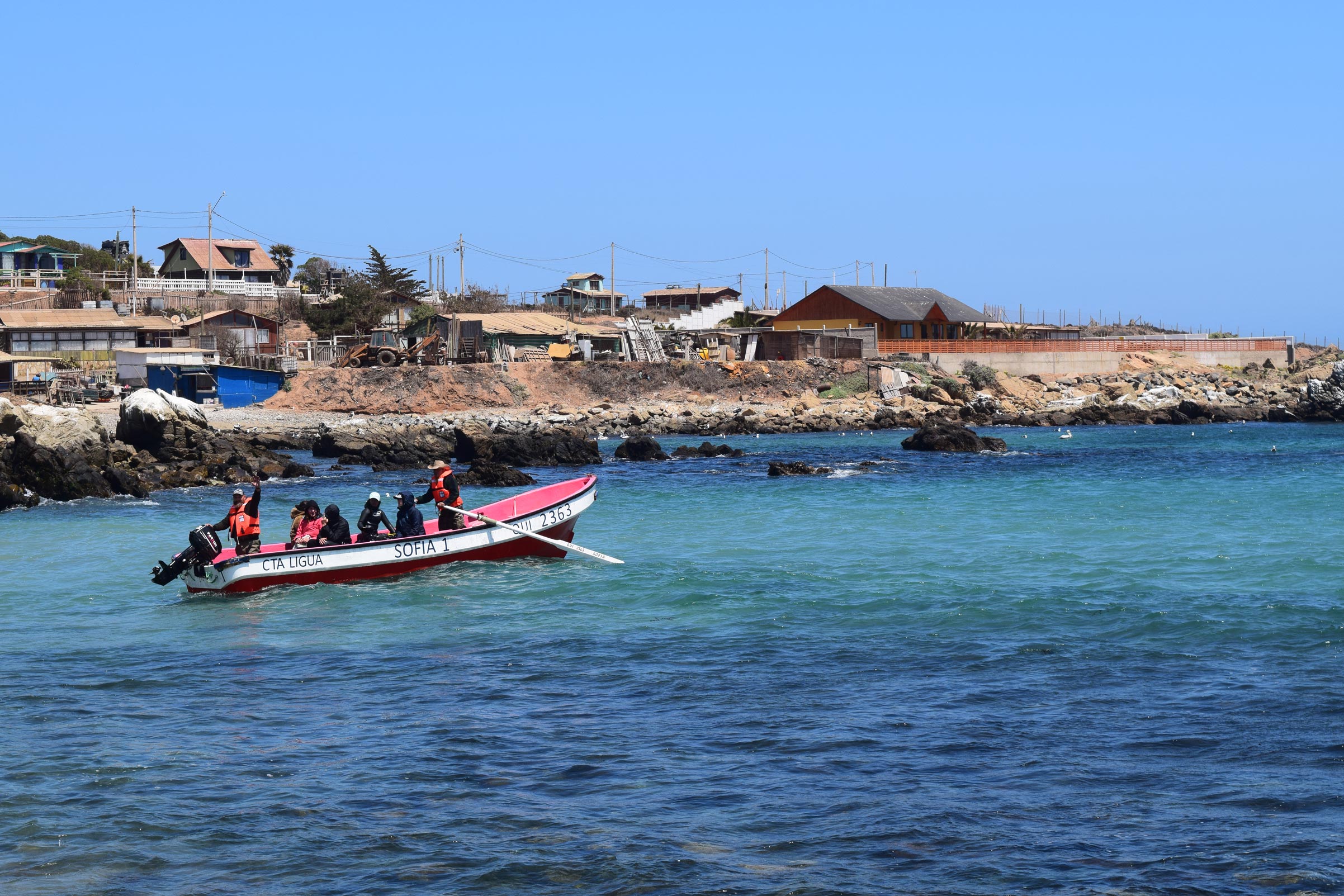
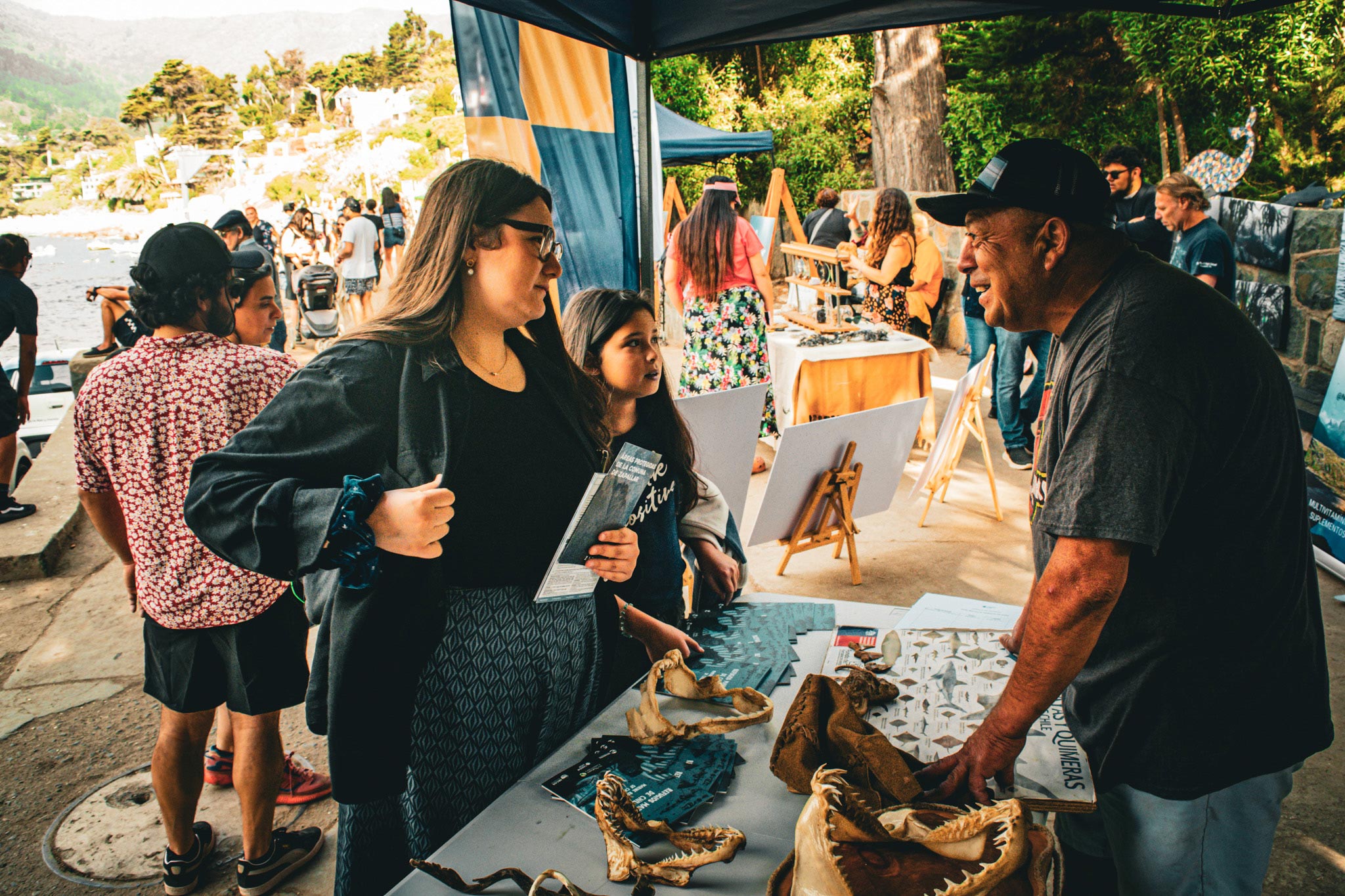
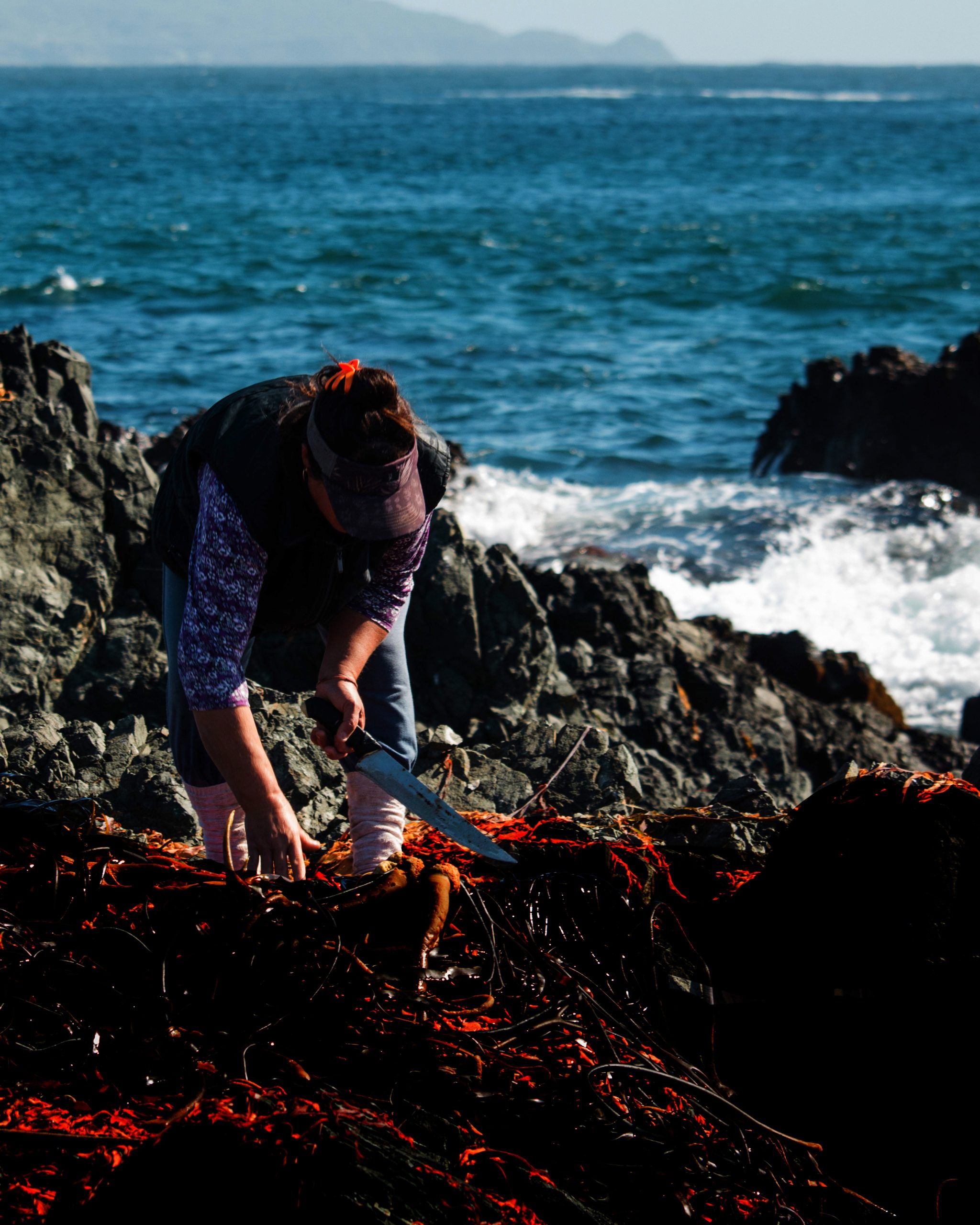
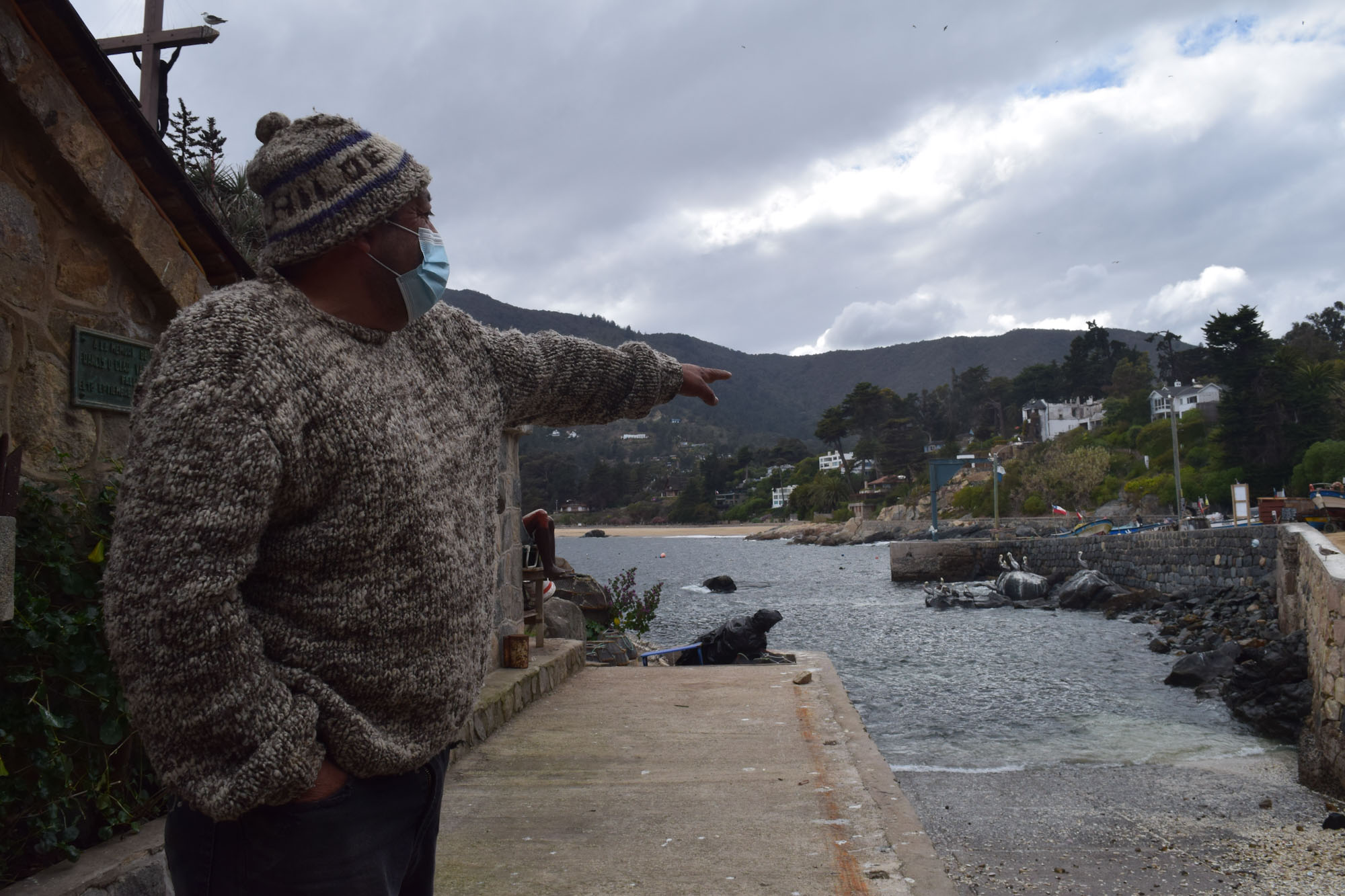
Ventanas, in the municipality of Puchuncaví, Valparaíso Region, hosted the launch of a demonstration project under the GEF Incentives for Biodiversity Conservation (ICB) project, an initiative that promotes ecosystem protection and highlights marine conservation as an opportunity for fishing and tourism.
The launch, led by the Minister of the Environment, Maisa Rojas, together with the UNDP Resident Representative, Georgiana Braga-Orillard, local fishers and regional authorities, marked the official start of two demonstration projects for designing and applying economic instruments for the conservation and sustainable use of marine and coastal biodiversity in the Valparaíso Region, in the Maitencillo and Ventanas fishing coves. These pilot cases are being developed together with Capital Azul Foundation, an organization that seeks to encourage the establishment of TURF-Reserves, making use and conservation compatible within the same system.
On the occasion, Minister of the Environment Maisa Rojas highlighted the importance of the project. “Today we need to create the conditions for communities to protect their ecosystems and make a living from them, and this initiative is a concrete step toward a place-based conservation model, where economic tools make it possible to mobilize partnerships, resources and recognition for those who care for the sea every day. Ventanas and Maitencillo are examples of how we can move toward a just socio-ecological transition with local meaning,” she said.

Georgiana Braga-Orillard stated that “at the United Nations Development Programme, we firmly believe that environmental sustainability is only possible when it goes hand in hand with social justice and the active participation of communities. This project, which we are carrying out with the Government of Chile with support from the Global Environment Facility, is a concrete step toward a new paradigm: one that recognizes and values the ecosystem services our territories provide. The demonstration projects to be developed in the municipality of Puchuncaví invite us to imagine a future in which conservation is not the exception but an everyday practice.”
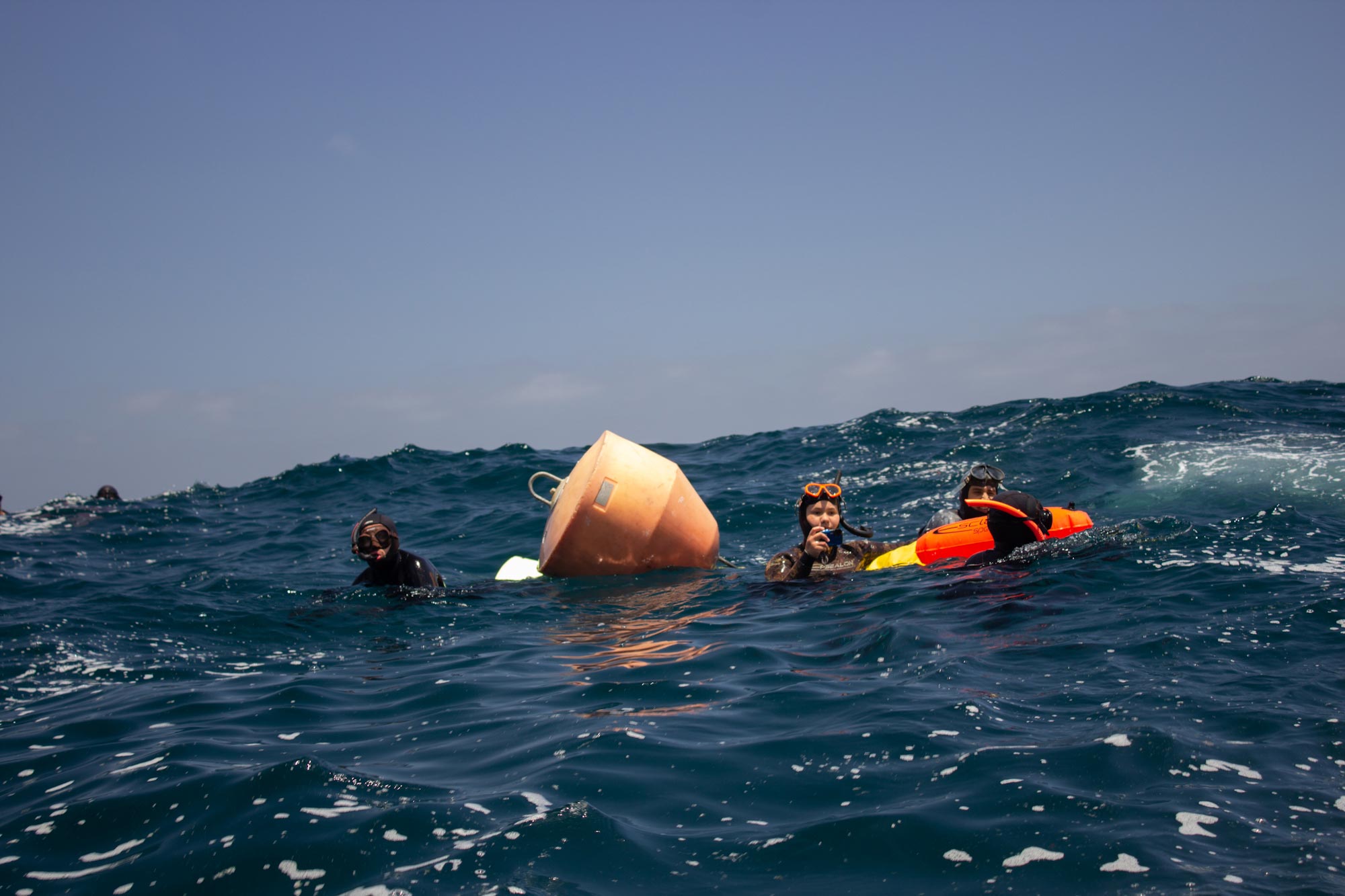
The project seeks to strengthen the creation of Voluntary Protection Zones (TURF-Reserves) within TURFs (Territorial User Rights for Fisheries, known in Chile by the Spanish acronym AMERB), in this case for key species such as locos (Chilean abalone), limpets and seaweed, as well as to recognize those who provide ecosystem services and certify good environmental practices developed by artisanal fishers unions.
Specifically, this initiative aims to support local initiatives, making it possible to consolidate TURF-Reserves, where, in addition to providing food, activities such as recreational diving, environmental education and responsible tourism have been promoted. Along these lines, during the launch, local fishers signed a commitment to conserve and monitor the marine and coastal ecosystem.
“In the project, we have taken on the challenge of integrating a conservation approach with tools that engage with and adapt to each territory and its realities. That is precisely what this project seeks: to recognize the role of coastal communities in conservation and offer concrete solutions for their sustainability. We are very proud to accompany the Ventanas and Maitencillo fishers unions on this path, and we are confident this model can inspire many other initiatives in Chile,” said Amerindia Jaramillo, national coordinator of the GEF Incentives for Biodiversity Conservation Project.
“This initiative paves the way to start working among multiple stakeholders, with artisanal fishing organizations in a leading role, on the incentives that could lead this sector, local communities and decision-makers to see TURF-Reserves as a great opportunity in the context of the triple planetary crisis. It is an opportunity in which harvesting and conservation can coexist to move toward sustainable development models that benefit not only biodiversity but also the communities that depend on these ecosystems,” added Rodrigo Sánchez, Executive Director of Capital Azul Foundation.
Eugenio Silva, representative of the Caleta Ventanas Artisanal Fishers Union, said that “what this work has done is carry forward the vision we had so many years ago. The TURF is already about 30 years old, and this fully matches what we were seeking as a conservation goal. So this TURF-Reserve allows for conservation and also for production itself to increase. From every point of view, this project is going to help us. We are sure it will help us a lot, especially with surveillance; we want to improve what already exists at the national level. And this can perfectly well be replicated across the country, and we trust that it will be.”

WHY INSTRUMENTS FOR CONSERVATION MATTER
Chile has unique biodiversity, but its ecosystems face growing threats from land-use change, overexploitation of resources and the effects of climate change. Despite having strong conservation regulations and policies, new ways of conserving nature and halting biodiversity loss need to be promoted.
In this context, the ICB project seeks to introduce innovative tools that create incentives for conservation and strengthen territorial management. To do so, it works with two types of instruments that help mobilize resources and commitments. On the one hand, regulatory instruments establish clear rules to offset environmental impacts and ensure the long-term protection of biodiversity. On the other, economic instruments create incentives and funding opportunities for conservation. These include payments for ecosystem services (known in Spanish as RSE), which allow those who benefit from nature, such as water users or productive sectors, to contribute resources for its protection and restoration, as well as environmental certifications.


RELATED NEWS