As the pickup truck left the town of Chaihuín behind, the road wound along the coast again before heading south. Little by little it went deeper into an evergreen forest that seemed to reach out to meet the Pacific Ocean, whose roar echoed in the distance.
On reaching the meeting point agreed with the Huiro Indigenous Fishers Association, the coastal surveillance team from Capital Azul Foundation, Camilo Viola and Guillermo Pinto, and the team from The Nature Conservancy (TNC) Chile, marine park ranger Marcelo Antillanca and specialist Ayim Palma, began unloading the equipment from the vehicle: a complete autonomous coastal surveillance system weighing about 35 kilograms (77 pounds).
The goal was to install it as part of the surveillance plan for the Guadei TURF-Reserve, a Voluntary Protection Zone located in the TURF (AMERB) managed by the Huiro Indigenous Fishers Association. It is a milestone that strengthens the governance of the TURF-Reserve, the first outside the Valparaíso Region, developed through a strategic alliance between the local community, Capital Azul Foundation and TNC Chile. This collaborative initiative shows that the conservation model led by artisanal fishers and backed by the new Benthic Law can be successfully scaled to the coasts and ecosystems of southern Chile.
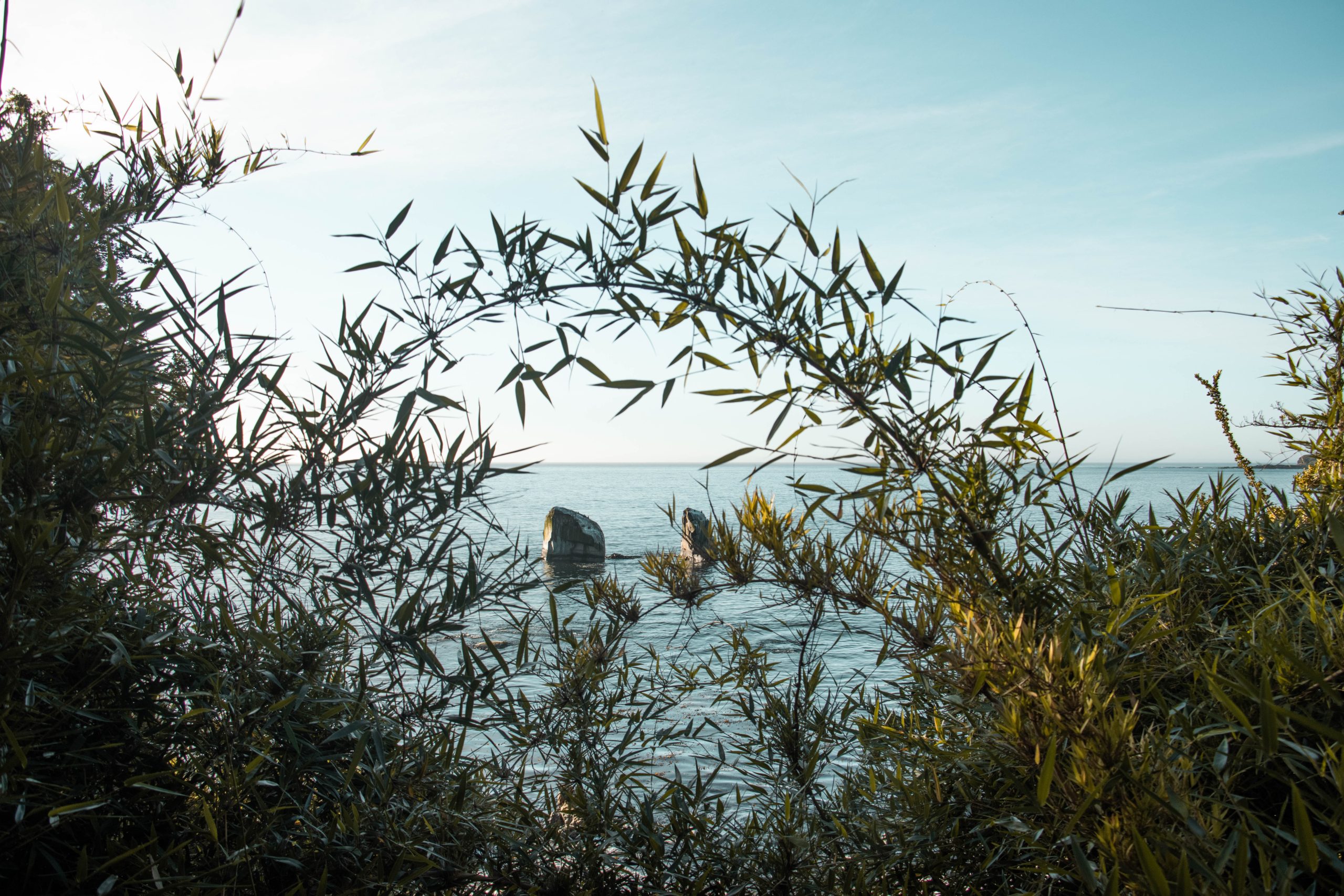
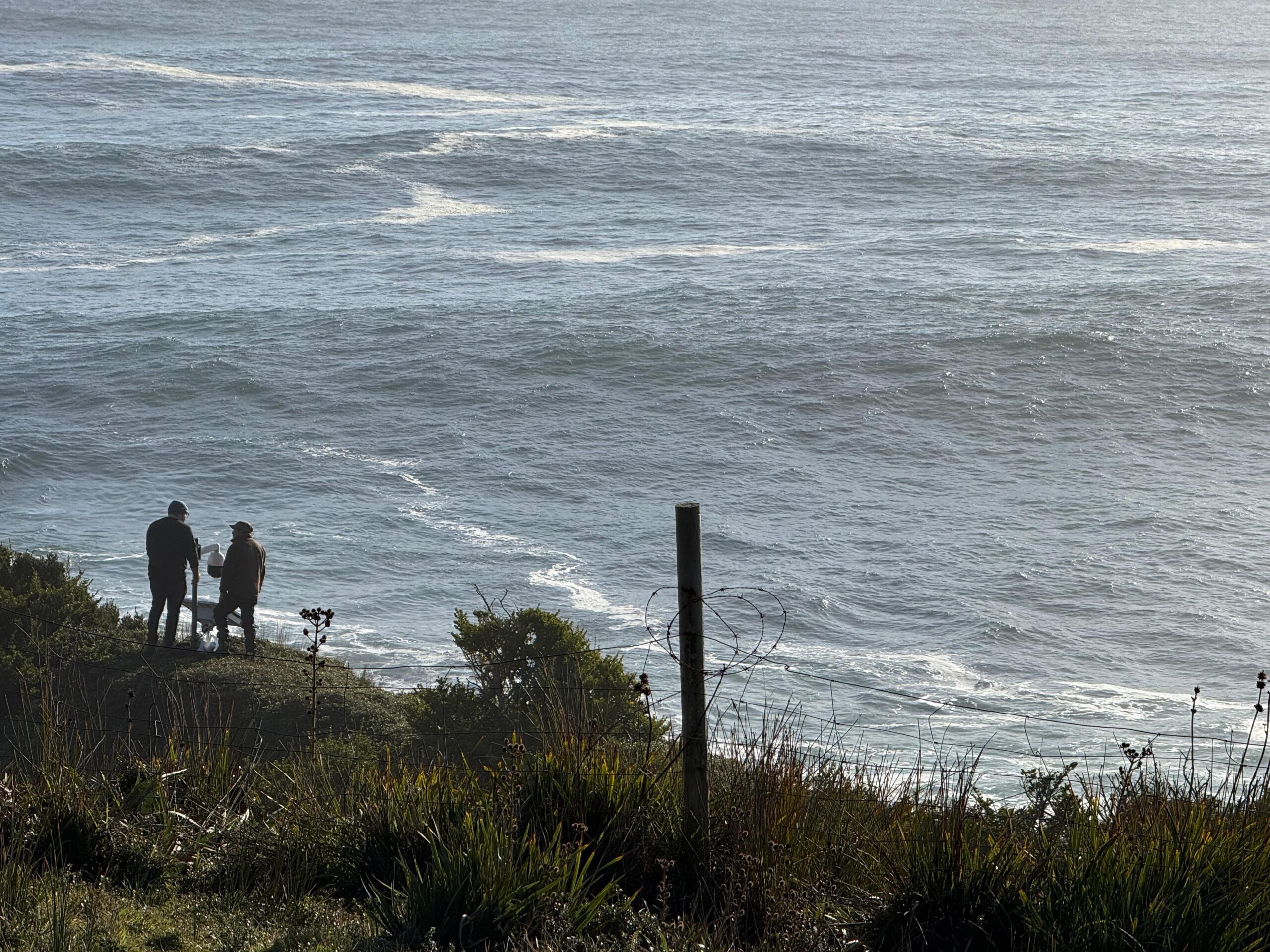
There was some nervousness in the air. The camera site was at the top of a cliff that dropped sharply into the sea and, at least from a distance, access looked difficult. Carrying the camera, solar panel, batteries and other components, the team made their way through the foliage covering the uneven, steep terrain and reached the installation point without major problems, just to the south side of the TURF-Reserve.
There was no time to waste. The window of calm between storms was minimal. They had to act right away, but at least an important part of the task was already done: the Huiro Indigenous Fishers Association had installed the pole for the camera and the entire surveillance system, seeking to protect a space that keeps alive its Lafkenche identity and its ancestral bond of respect for the environment and marine biodiversity.
Taking advantage of the shelter of a tree, and considering the relentless winds that often batter this part of the coast in the Corral district, in the Los Ríos Region, the team decided to place the solar panel at ground level so it would offer less resistance to storms. Self-expanding foam was used to seal every gap and crevice to keep water out in an area that receives nearly 2,000 millimeters (79 inches) of rain a year.
A surveillance beacon
One of the main concerns for members of the Huiro Indigenous Fishers Association was the camera’s autonomy in an environment dominated by gray, rainy days. However, this new solar panel technology does not necessarily need direct sunlight; it also works optimally through clouds and is backed by high-capacity lithium batteries. The panel was oriented to the north to receive sun for more hours, especially in winter.
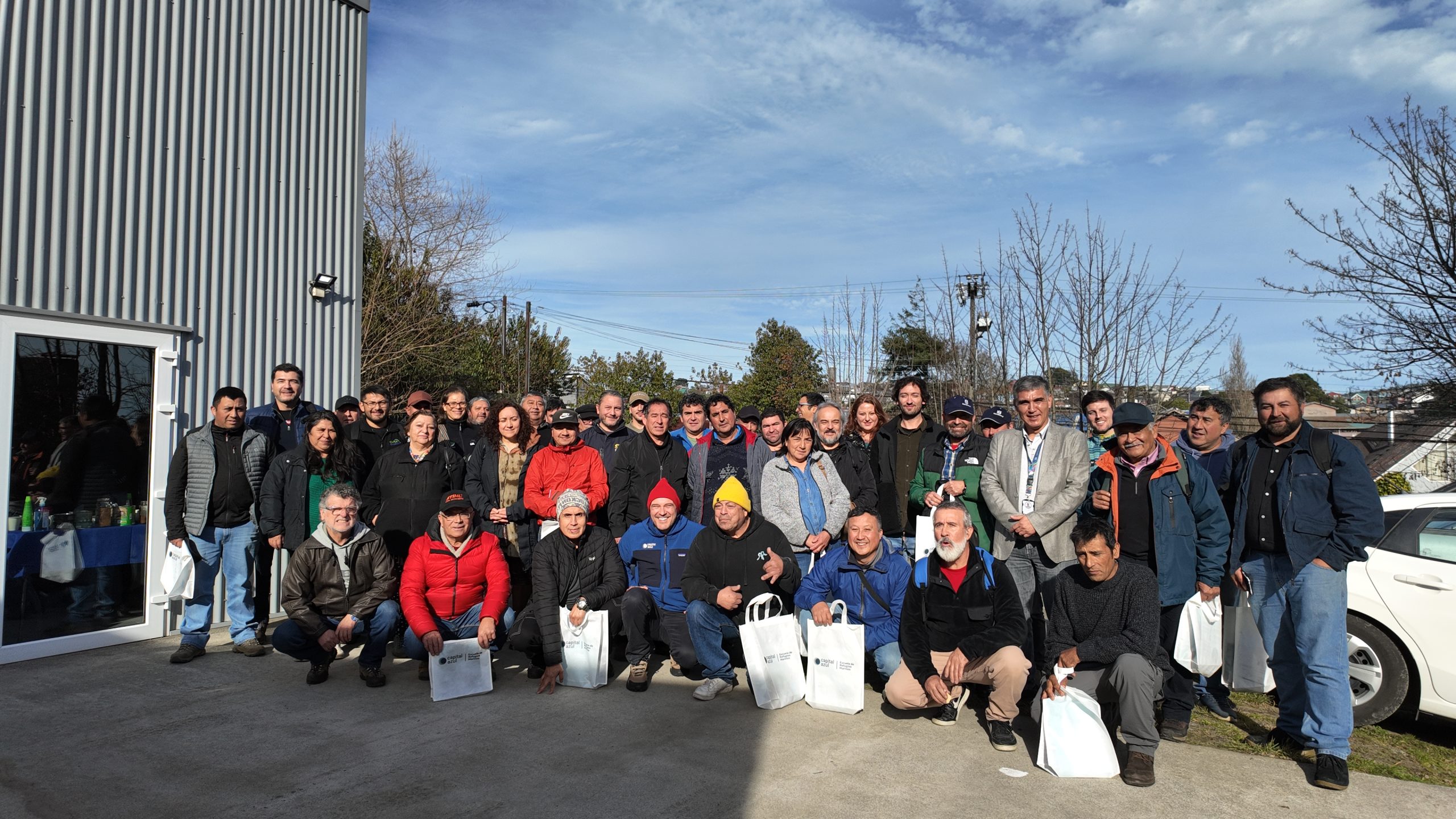
Once the camera was installed, a lunch shared with the community served not only as a moment of camaraderie, but also as a chance to answer questions and hold a short workshop on surveillance protocols. In the end, the camera is only one part of a system that must integrate community surveillance and response protocols for detecting illegal harvesting of marine resources and suspicious activity, in close coordination with the relevant authorities.
“This camera we installed in the Guadei TURF-Reserve is a giant step; it is a tool that provides solutions to the local community. We did not arrive with a technology to solve a problem we imagined they had. Instead, we listened to what they needed, their own requirements, and based on that information we have been moving forward and innovating together to strengthen surveillance and care of the TURF-Reserve,” said Camilo Viola, coastal surveillance lead at Capital Azul Foundation.
Now at least three members of the Huiro Indigenous Fishers Association have access to an app on their phones that lets them control the camera. It is a high-performance PTZ (Pan-Tilt-Zoom) unit designed specifically to operate 100% autonomously in remote locations. The high-resolution camera delivers a clear, sharp image, complemented by a powerful lens with 25x optical zoom that allows close-ups without losing quality to identify boat registration numbers and people. It also has infrared that lights up several hundred meters in total darkness, which is key to preventing poaching or intrusions at night.
The app also offers other options, controlling horizontal pan and vertical tilt to watch over large stretches of sea and coastline. It can even be programmed with automatic patrol routines so that the camera, without human intervention, constantly checks critical points in the bay one by one.
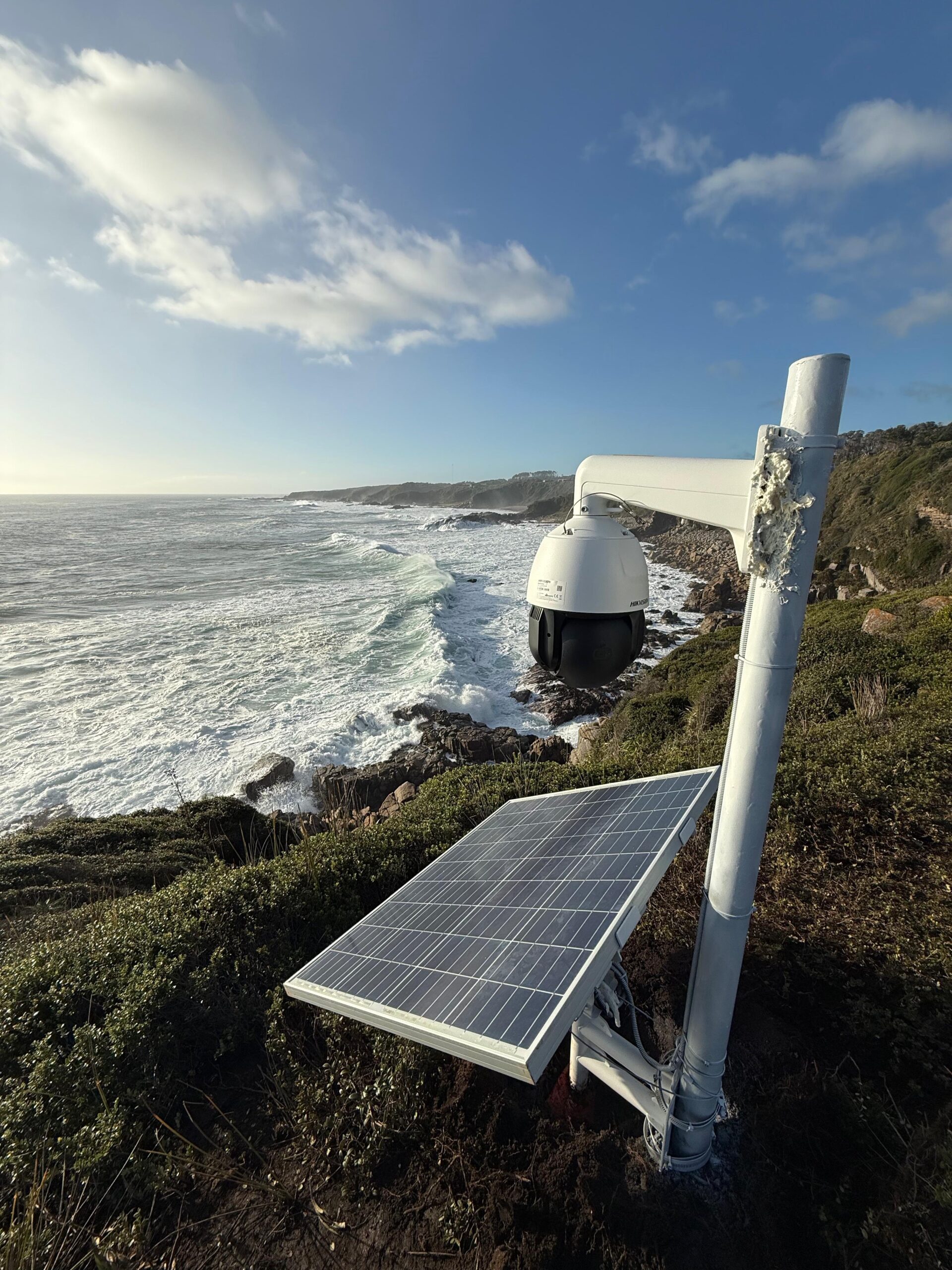
As for durability in environments like the Guadei TURF-Reserve, the camera has a heated lens that clears fogging caused by sea mist, ensuring visibility on cold mornings. It is also fully sealed against dust, sand, rain and sea spray, and can withstand a wide range of temperatures, making it tough and well suited to this part of the Valdivian coast.
Wind was another concern, but a few days after installation it had already withstood gusts of more than 100 km/h (62 mph) and keeps working perfectly, acting as a surveillance beacon and a valuable tool for the Huiro Indigenous Fishers Association and the management and care of the Guadei TURF-Reserve.
“We are very happy and grateful for how the surveillance camera is working, because it lets us see in real time what is happening in our TURF-Reserve. It has also been installed in a strategic location that lets us monitor part of our TURF. From what we are seeing, it is a very useful tool that supports and lightens the work we do in the territory. I think this camera marks a significant milestone in our work; it is a tool that will allow us to keep better watch,” said Horacio Antillanca, secretary of the Huiro Indigenous Fishers Association.
A first step into biodiversity monitoring
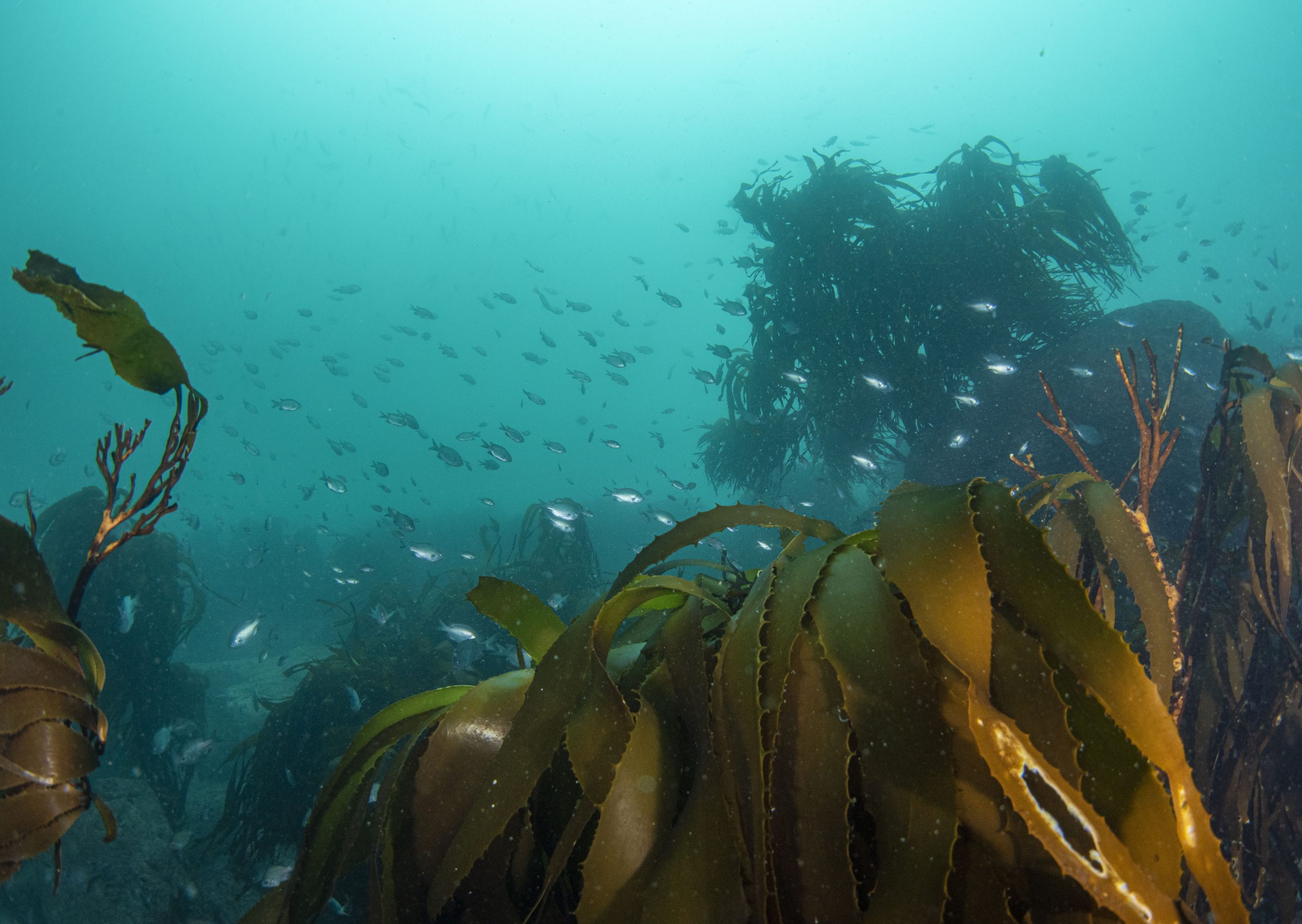
Capital Azul Foundation’s visit to Huiro also included two training activities for the Huiro Indigenous Fishers Association. The first workshop involved collecting, preparing and producing an algarium (a seaweed herbarium). The goal was to create a reference collection to identify and dry-preserve specimens of the seaweeds near the Guadei TURF-Reserve for posterity. Beyond the ecological value of knowing which species make up this ecosystem, the initiative seeks to recover and safeguard invaluable cultural knowledge, allowing the community to pass it on to future generations.
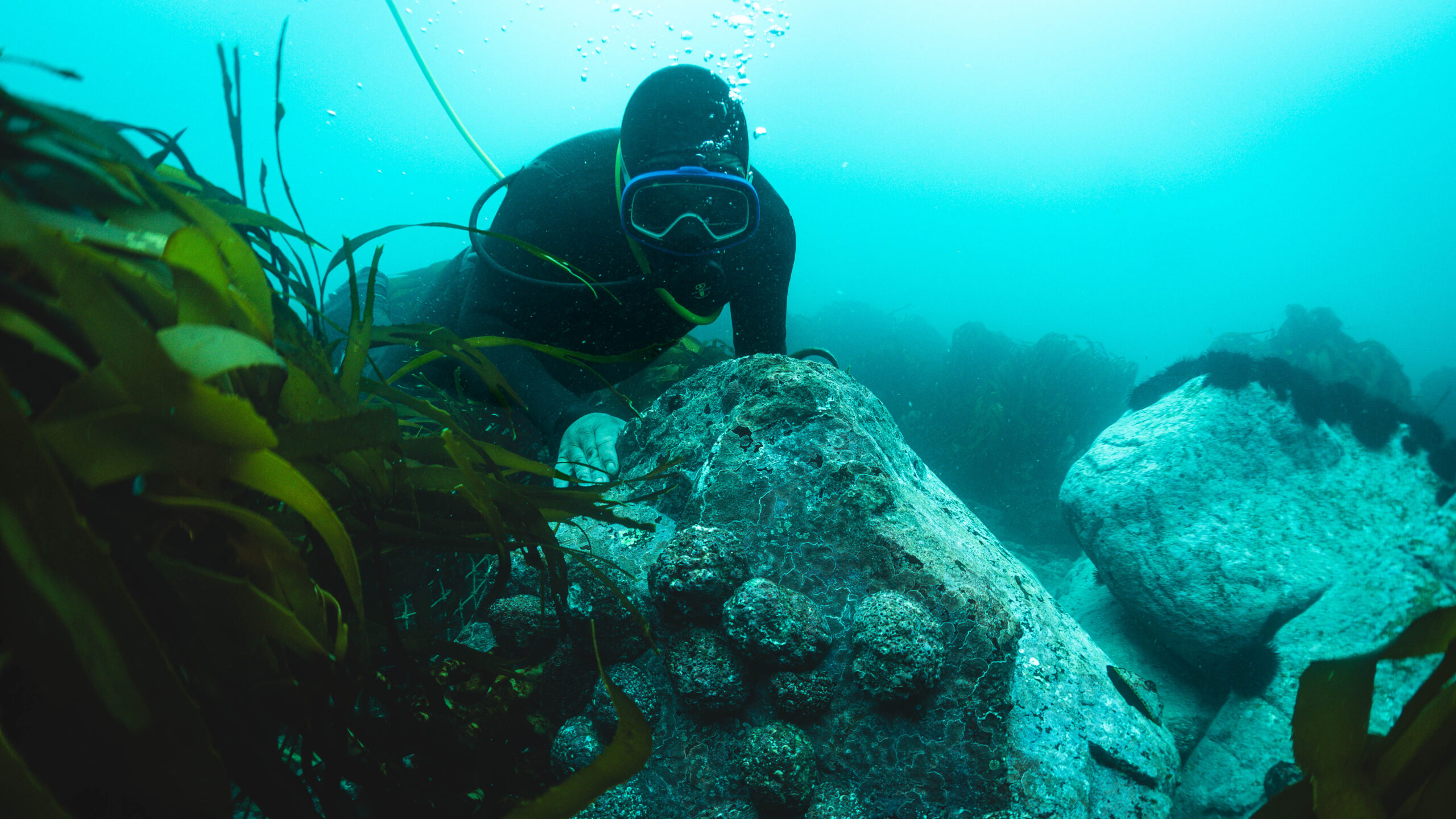
The second workshop focused on intertidal monitoring, designed so that community members can get to know the biodiversity of their ecosystem in detail. To do this, two methods adapted to different surfaces were presented: the rocky intertidal and the sandy beach, since the organisms associated with each vary dramatically. On the rocks, where invertebrates and various seaweeds are distributed in zonation patterns depending on their exposure to water and drying, measurements were taken from the low to the high intertidal. On the sandy beach, a transect was laid out from the upper to the lower zone to analyze the composition of the sandy bottom, looking for amphipods (sand fleas) and isopods.
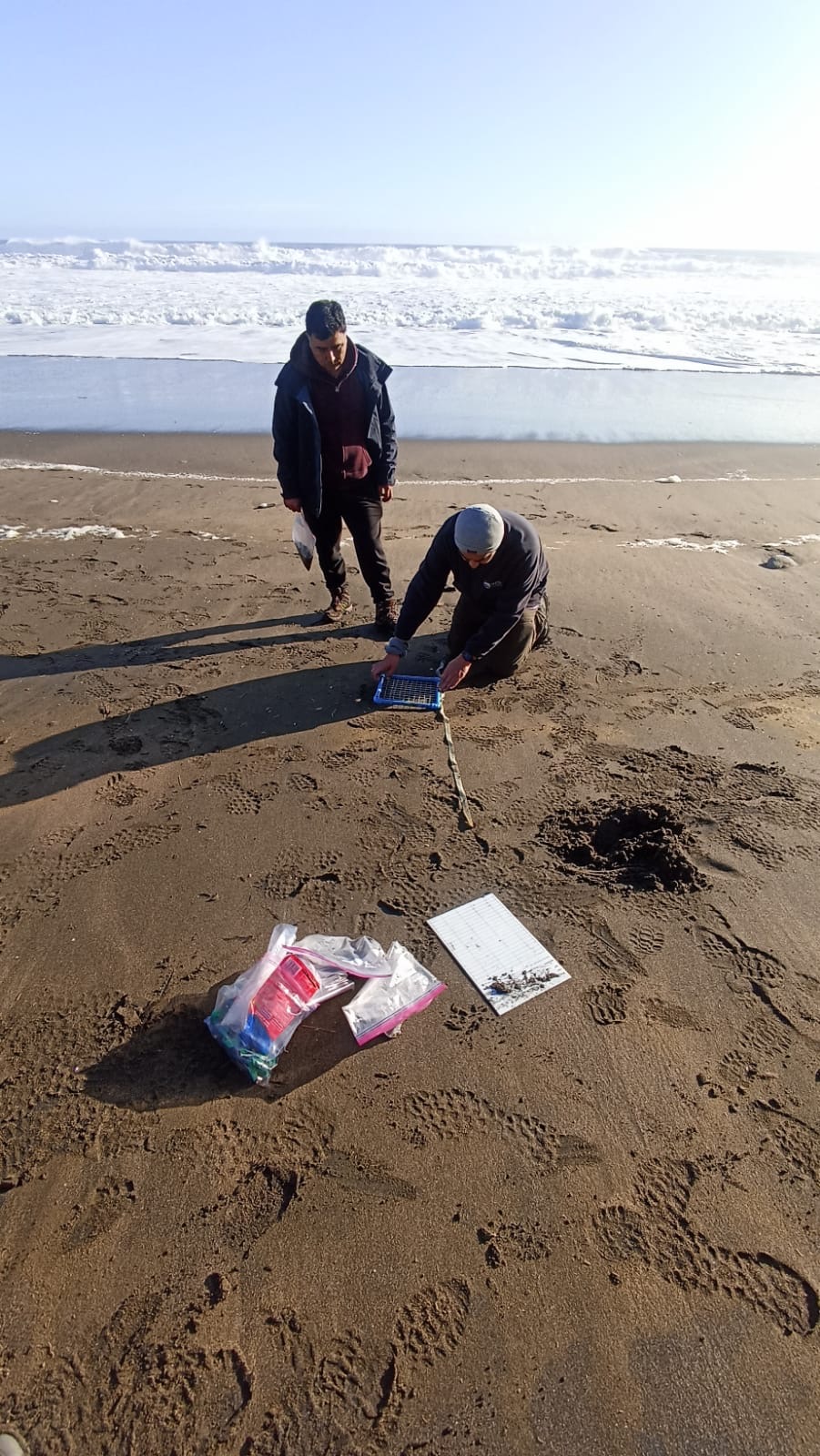
“These are simple methods that, although Capital Azul will follow up on them, can be carried out by the community without prior technical knowledge. Once learned, the technique can be refined, but because it is quite simple to replicate, it gives them greater independence to monitor both the sandy beach and the rocky intertidal. This will let them see how the ecosystem changes from the creation of the TURF-Reserve into the future, setting the first precedents for scientific data collection in Huiro and laying the foundation for our ecosystem baseline,” explained Francisco Contreras Drey, director of Science and Monitoring at Capital Azul Foundation.
For his part, Horacio Antillanca said that “we were learning a lot about our ecosystems. Through the invertebrate and seaweed workshop we learned how these species develop, how we can identify them and how to care for them. Children and young people from our community were also able to take part in the workshop. And the algarium activity enriches the work we do in the area and also helps us gain more support in our effort to protect, care for and safeguard the species we have here.”
“At The Nature Conservancy, we believe marine conservation is effective when it is led by the local and Indigenous communities that live by and depend on the sea. That is why we are proud to support, through funding and technical guidance from Capital Azul, the Huiro Indigenous Fishers Association in strengthening its capacity to monitor marine biodiversity in its TURF-Reserve. This initiative will improve the tools and technologies available for surveillance and monitoring of marine ecosystems, generating essential information for effective management and better protection of marine life. Science and technology gain their true value when they serve those who are in the territory, committed day after day to caring for their marine resources and natural heritage. Our role as TNC is precisely to build these alliances, connecting local communities, support organizations, scientific knowledge and technological solutions to strengthen conservation processes that are already being driven from the territory. We recognize that the future of marine conservation depends largely on the leadership of local and Indigenous communities, and our job is to accompany and support them so they have the tools they need to keep protecting marine biodiversity for present and future generations,” said Natalio Godoy, Oceans Director at The Nature Conservancy (TNC) Chile.
By combining coastal surveillance technology with locally led scientific monitoring, the Guadei TURF-Reserve not only protects benthic species from illegal harvesting, but also strengthens social cohesion, sovereignty over biological data and the resilience of a community that has chosen to care for the ocean to secure its livelihood for tomorrow.
RELATED NEWS