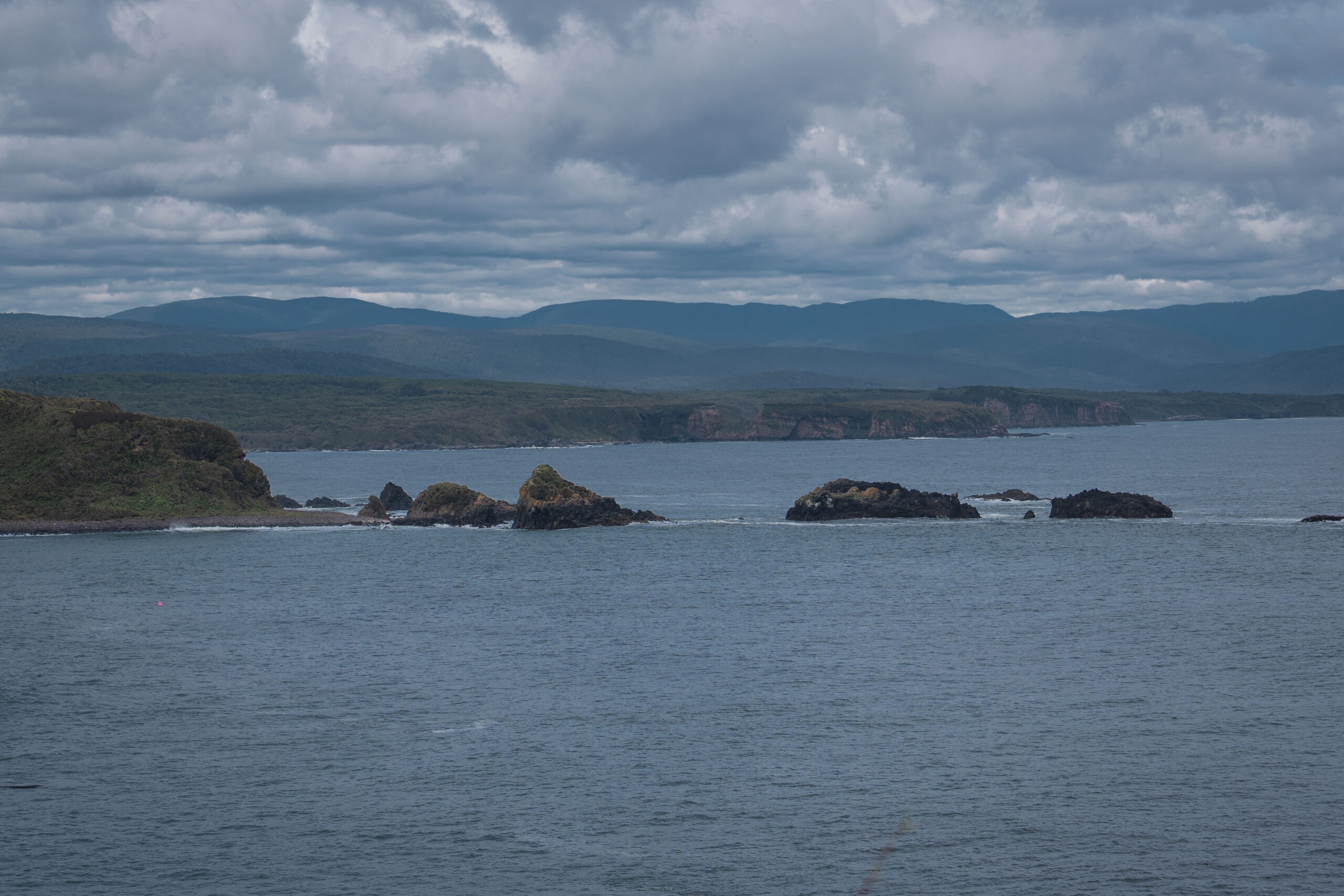
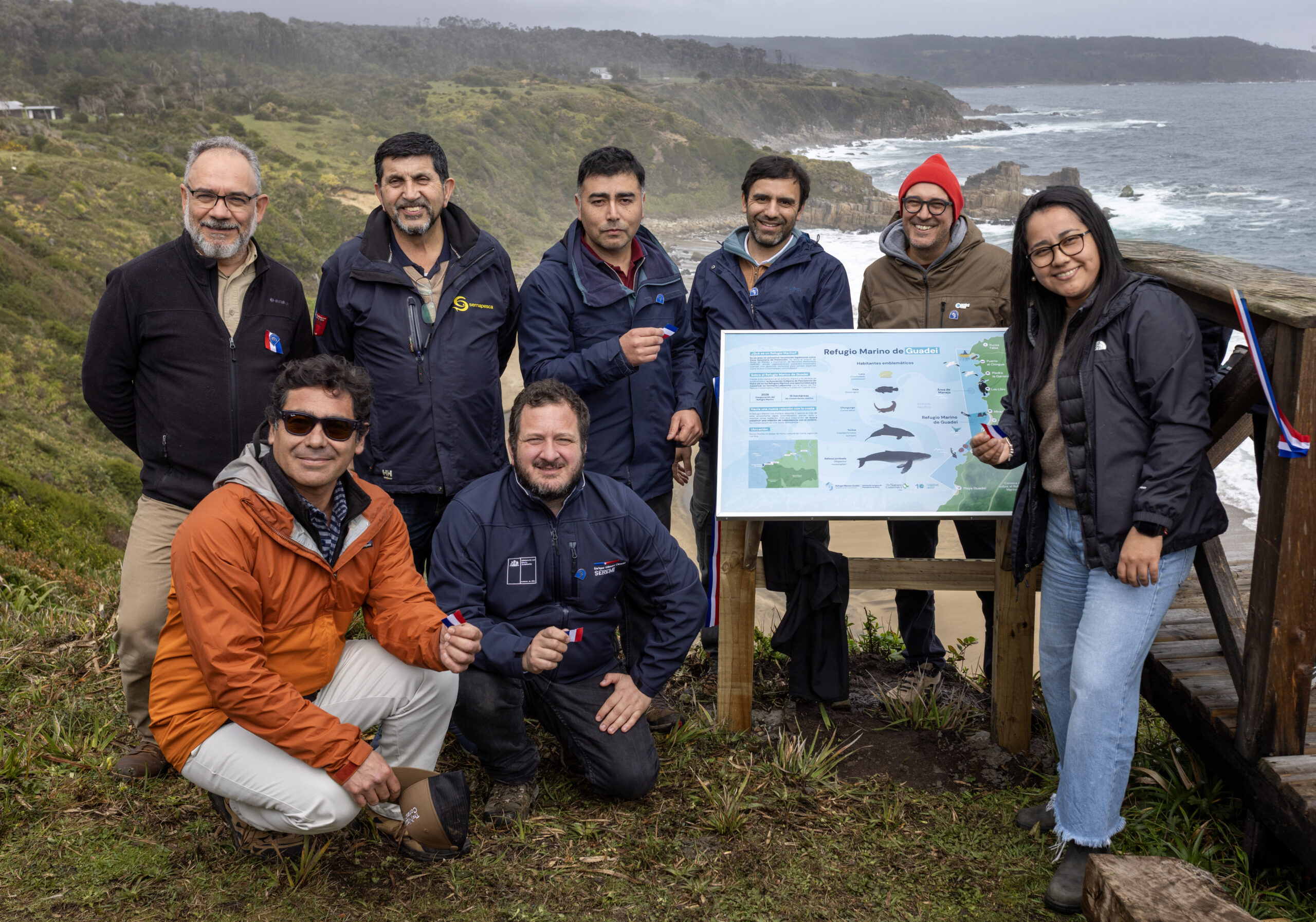
With calm seas, sunny days and great enthusiasm for underwater work, members of artisanal fishing organizations and collaborators from the Ventanas, Maitencillo, Zapallar, Huiro and Chepu coves had an enriching experience as they completed the Subtidal Biological Monitoring Course, a key initiative to promote Voluntary Protection Zones, also known as TURF-Reserves. The course was led by Capital Azul Foundation with support from the GEF Incentives for Biodiversity Conservation project, with international CMAS certification provided by the Valposub diving school.
The course combined online theoretical training with in-person practice on land and underwater. Its goal was to strengthen technical capacities within artisanal fishing organizations themselves, allowing them to develop the skills needed to carry out biodiversity monitoring in their Voluntary Protection Zones, located within their TURFs (Territorial User Rights for Fisheries, known in Chile by the Spanish acronym AMERB).
“It’s important to collect this data because the sea is so dynamic and changes so much, and the idea is to build a picture of what’s happening in that area. Monitoring helps us see the condition of our TURF, which is like a plot of land, like a farm. So if we can monitor it, even better, because that way we’ll be able to know the health of the ecosystem,” said Miguel Herrera, of the Maitencillo Artisanal Fishers Union.

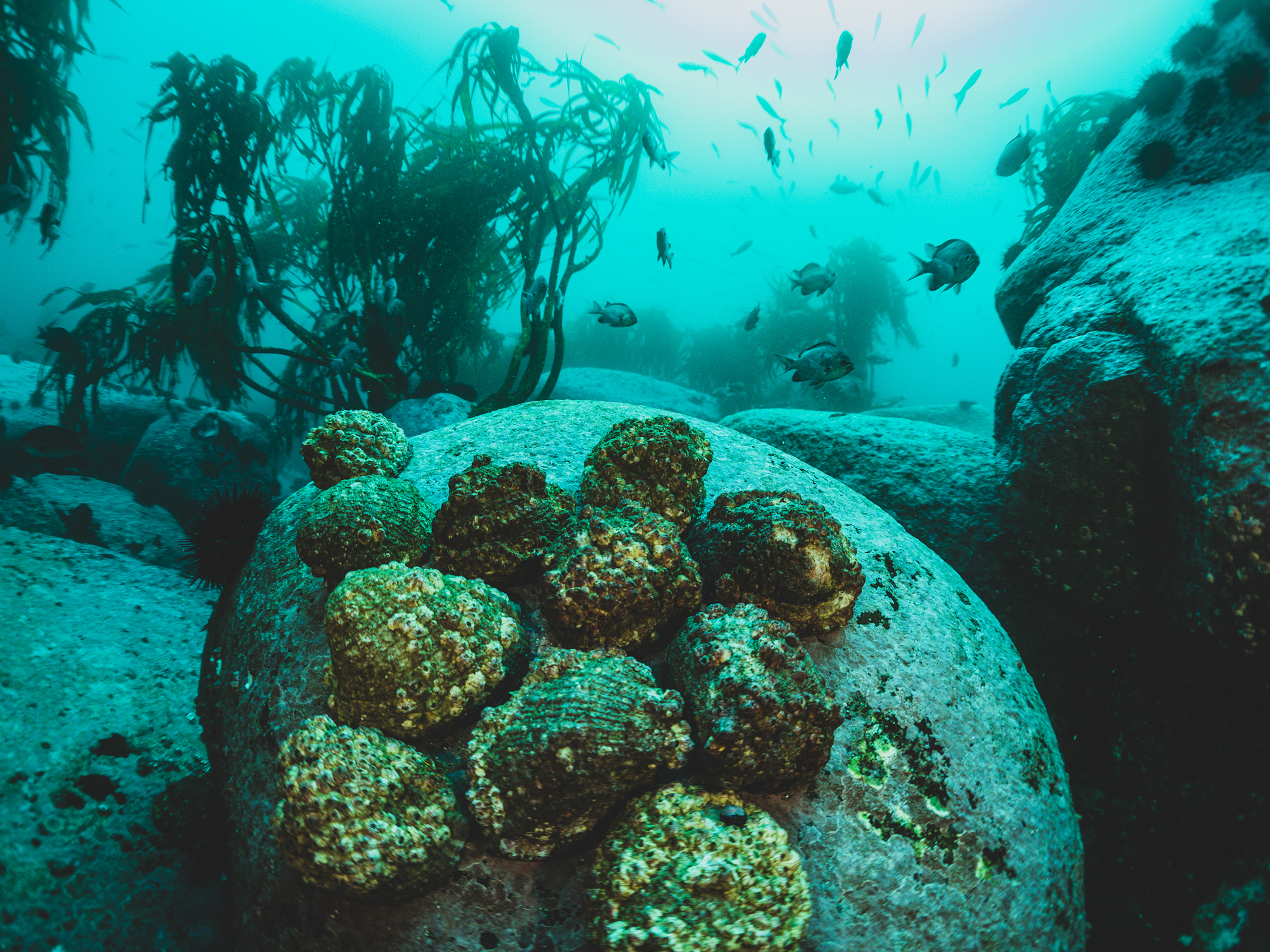
Over three intense days of fieldwork, participants built transects (a 100-meter rope with sampling stations every 10 meters), learned monitoring protocols for fish, algae and macroinvertebrates, and dove in the Ventanas and Maitencillo TURF-Reserves. Using these underwater transects, which make it possible to standardize sampling, the teams collected data on algae and local fauna to learn how to assess, over time, the ecological changes linked to protecting the marine ecosystem.
“We are convinced that complementing local experience and ecological knowledge with scientific and practical tools is essential to achieve effective and sustainable conservation of the Chilean sea. This course trains community scientific divers and strengthens the capacity of fishers unions to collect relevant data from these conservation areas, which is fundamental for monitoring and reporting on the new economic instruments for conservation that are being designed,” said Amerindia Jaramillo, coordinator of the GEF Incentives for Biodiversity Conservation Project.
The closing session included an analysis of the data collected by the participants, which revealed results very similar to those obtained by Capital Azul Foundation professionals, demonstrating the high quality and rigor of the work done by the course participants.

“Beyond building local capacities in each of the TURF-Reserves so that artisanal fishing organizations can carry out biodiversity monitoring and check the health of the ecosystem, this process is key to strengthening people’s bond with their territory. At the same time, it creates opportunities for Voluntary Protection Zones to potentially become eligible as initiatives that, based on the information gathered through monitoring, can access instruments that recognize and reward efforts to conserve biodiversity,” said Rodrigo Sánchez Grez, Executive Director of Capital Azul Foundation.
The program ended with a diploma ceremony and the satisfaction of those who now have concrete tools to take the lead in ocean conservation. “Honestly, this course was a lot of fun and very valuable in terms of knowledge. It has helped me a lot, because I work at sea, I’m a shellfish diver, and honestly I used to overlook many things; I didn’t know there was a whole ecosystem full of life under the sea,” said Adán Fernández, a member of the Ventanas Artisanal Fishers Union.
Meanwhile, Lautaro Vergara, a marine biologist at the Center for the Study and Conservation of Natural Heritage (CECPAN) in Chiloé, returned to Chiloé’s waters with the task of implementing biodiversity monitoring in the future TURF-Reserve of the Chepu Artisanal Fishers Union: “There’s a lot of enthusiasm there about creating this space where there is no extraction. I’m leaving with the challenge of implementing monitoring like the one they’re doing here, where they already have a lot of experience, and passing this knowledge on to the union. It’s going to be a big challenge for me, but I’m leaving happy and having learned a lot from everyone: from the course, from the diving experience and from the fishers.”


This course is not only a step forward in protecting marine biodiversity, but also a clear example of how collaboration between academia, local ecological knowledge, communities and organizations can build a more sustainable future from the depths of the sea.
The GEF Incentives for Conservation Project is executed by the Ministry of the Environment and implemented by the United Nations Development Programme (UNDP), with funding from the Global Environment Facility (GEF). Its goal is to improve national financing for the conservation of biodiversity and ecosystem services through the design, implementation and optimization of economic instruments that strengthen public finances and encourage the private sector to contribute to the maintenance and recovery of ecosystems.
RELATED NEWS