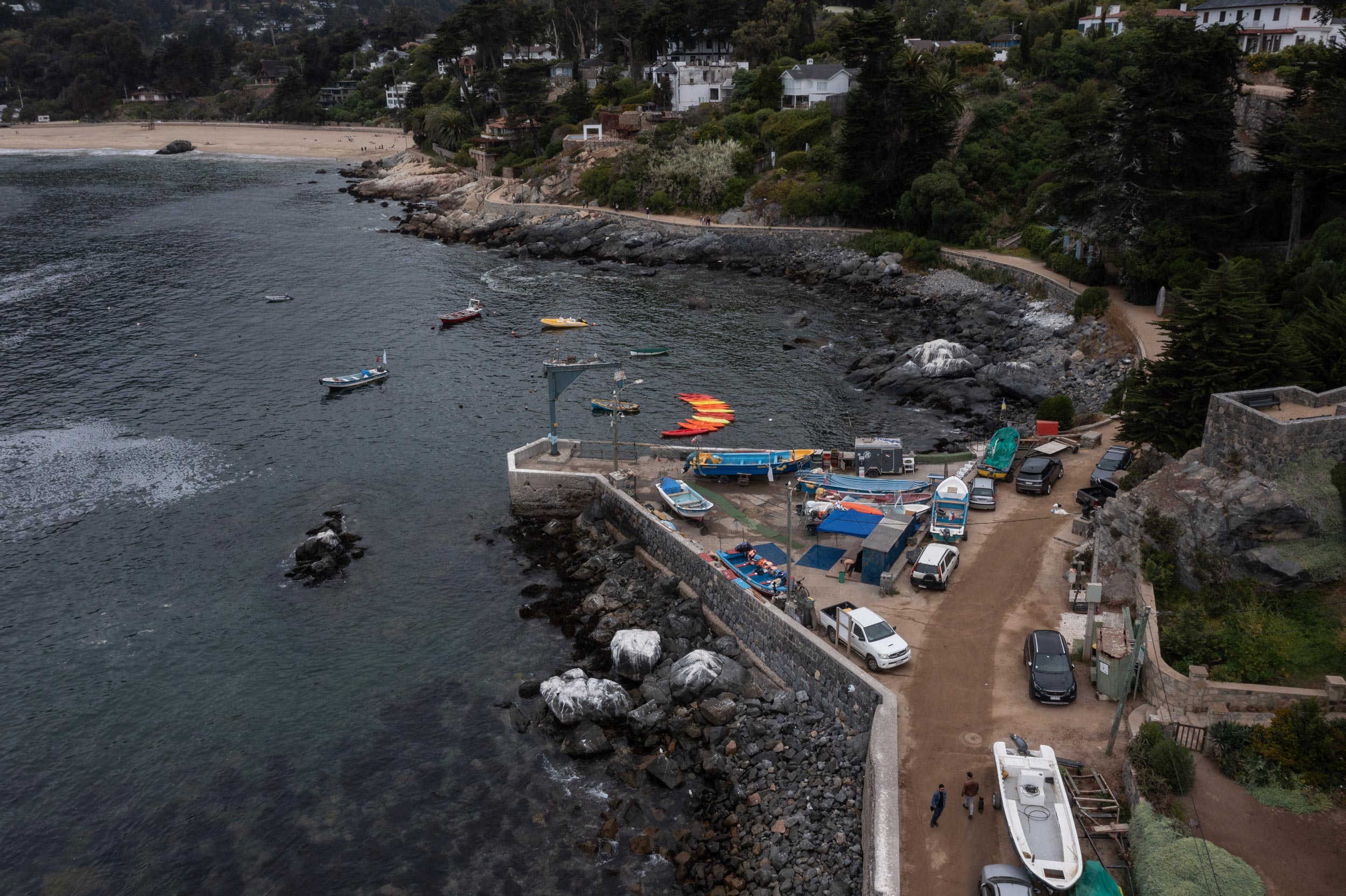
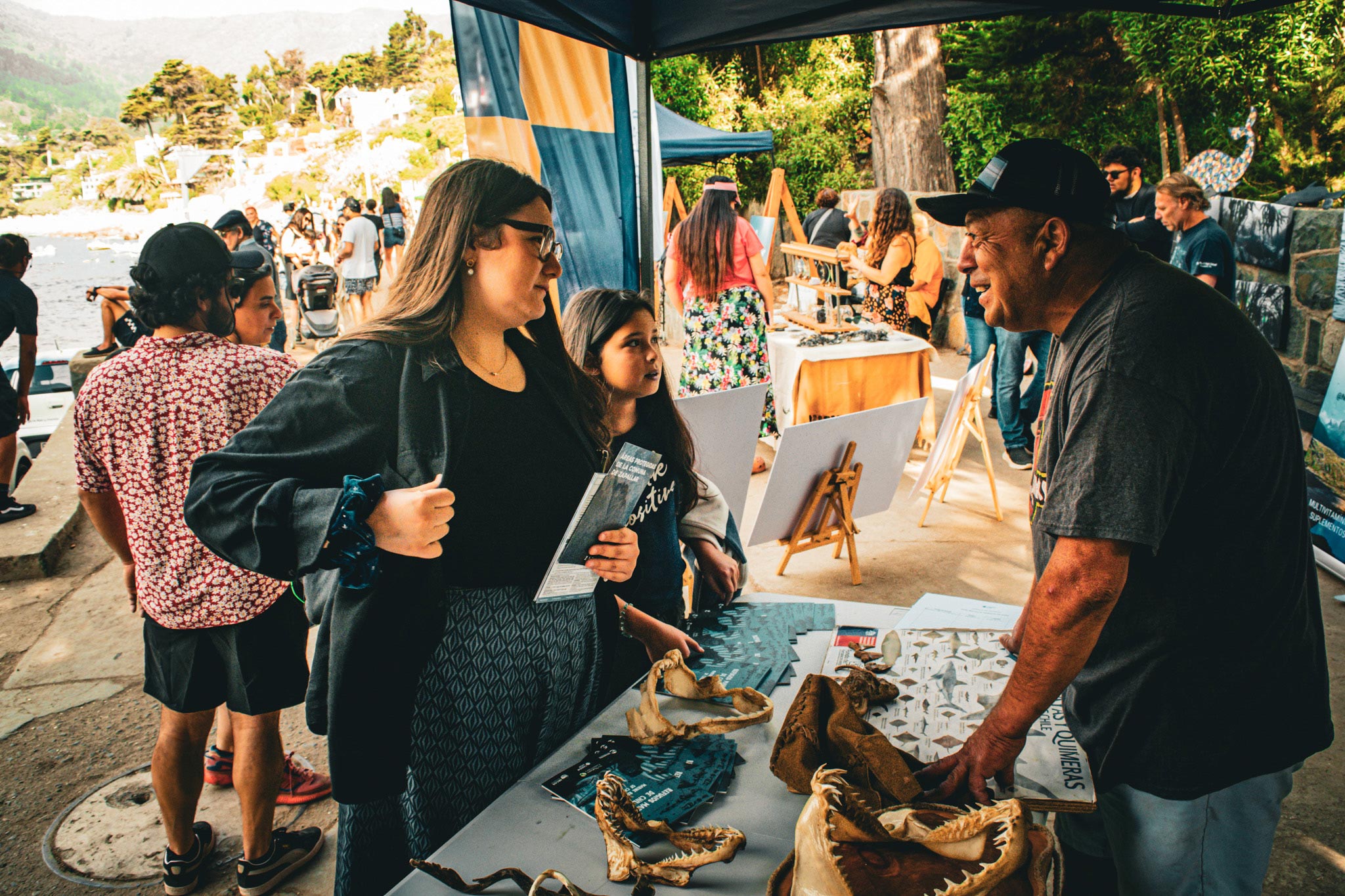
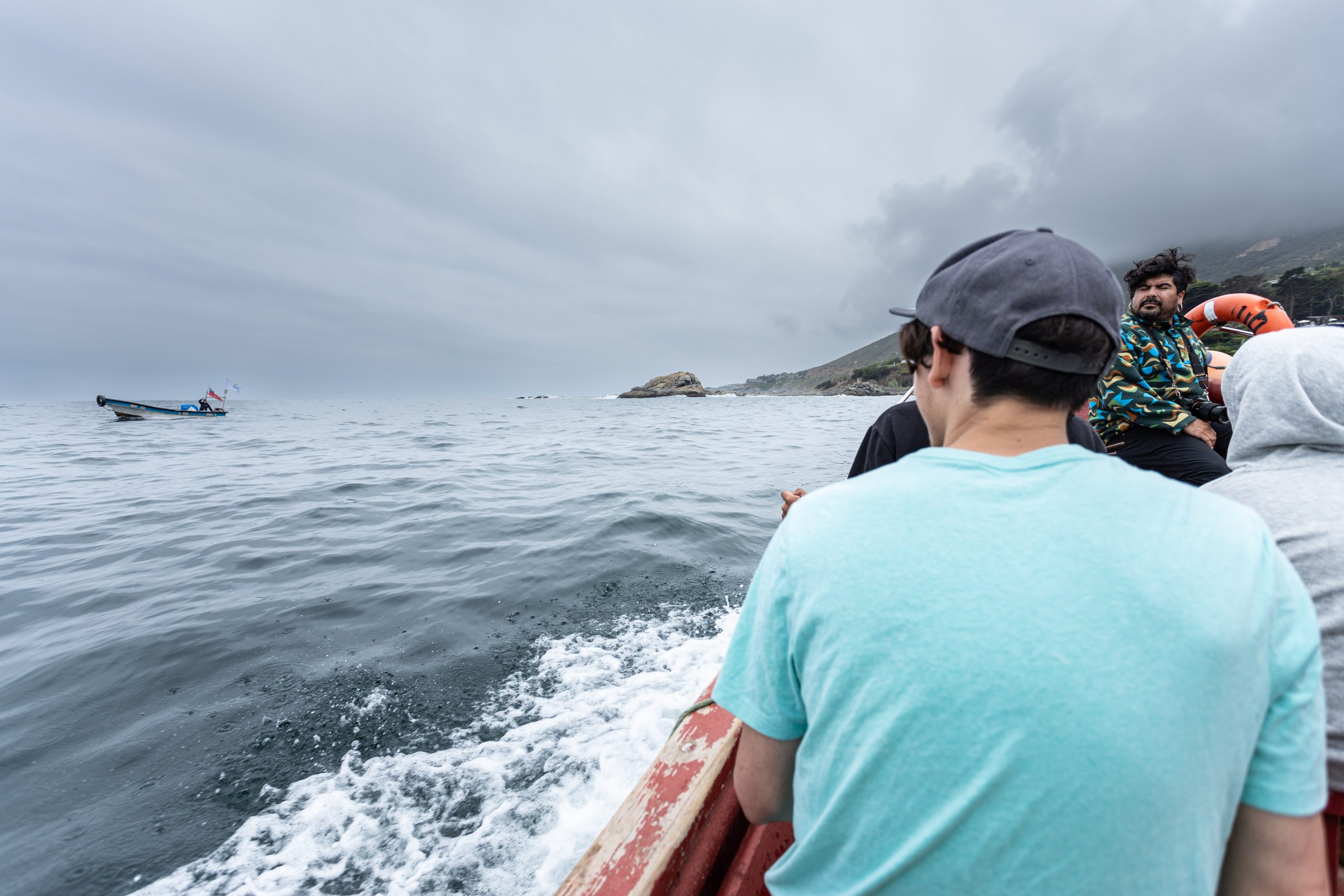
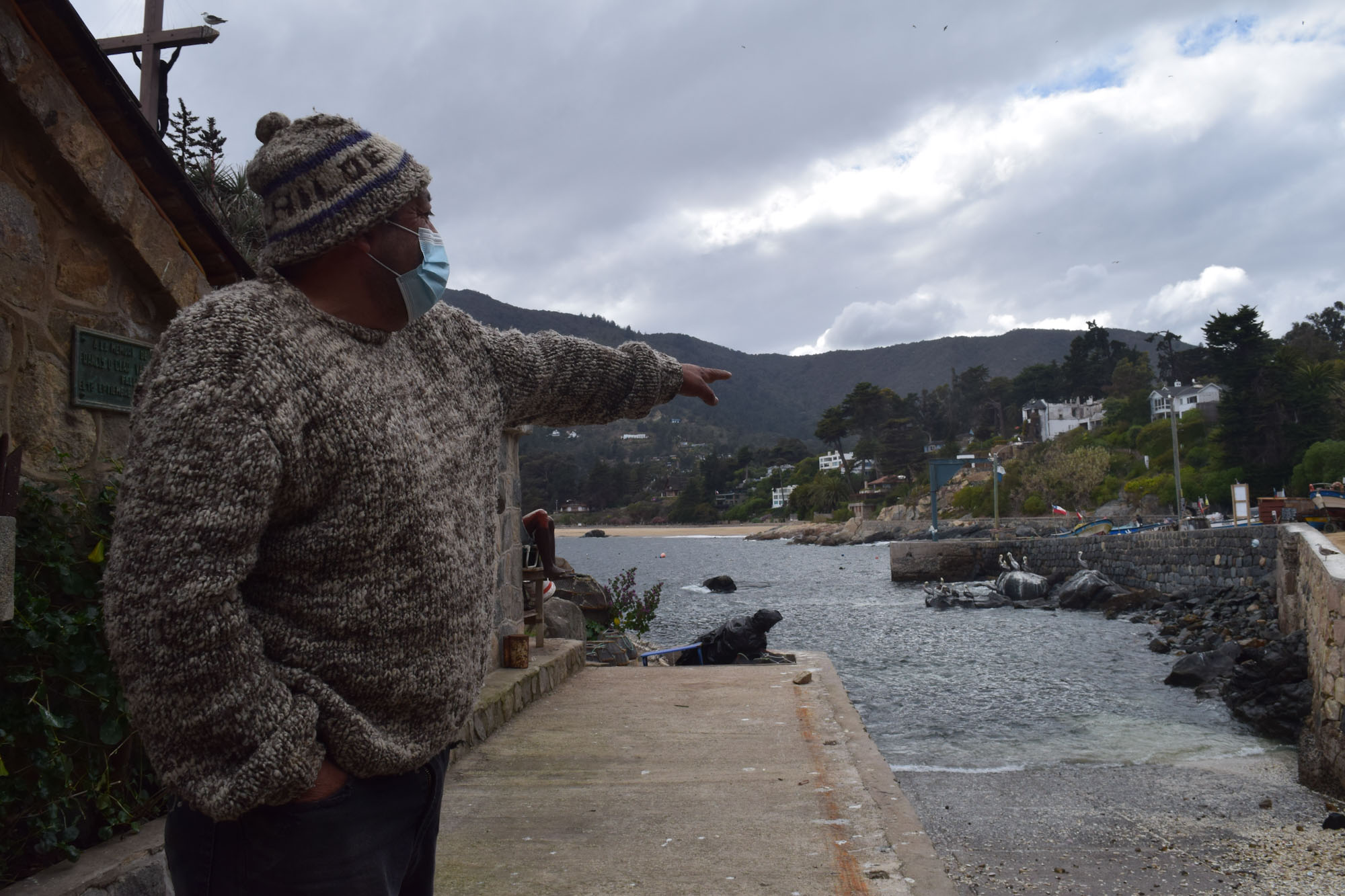
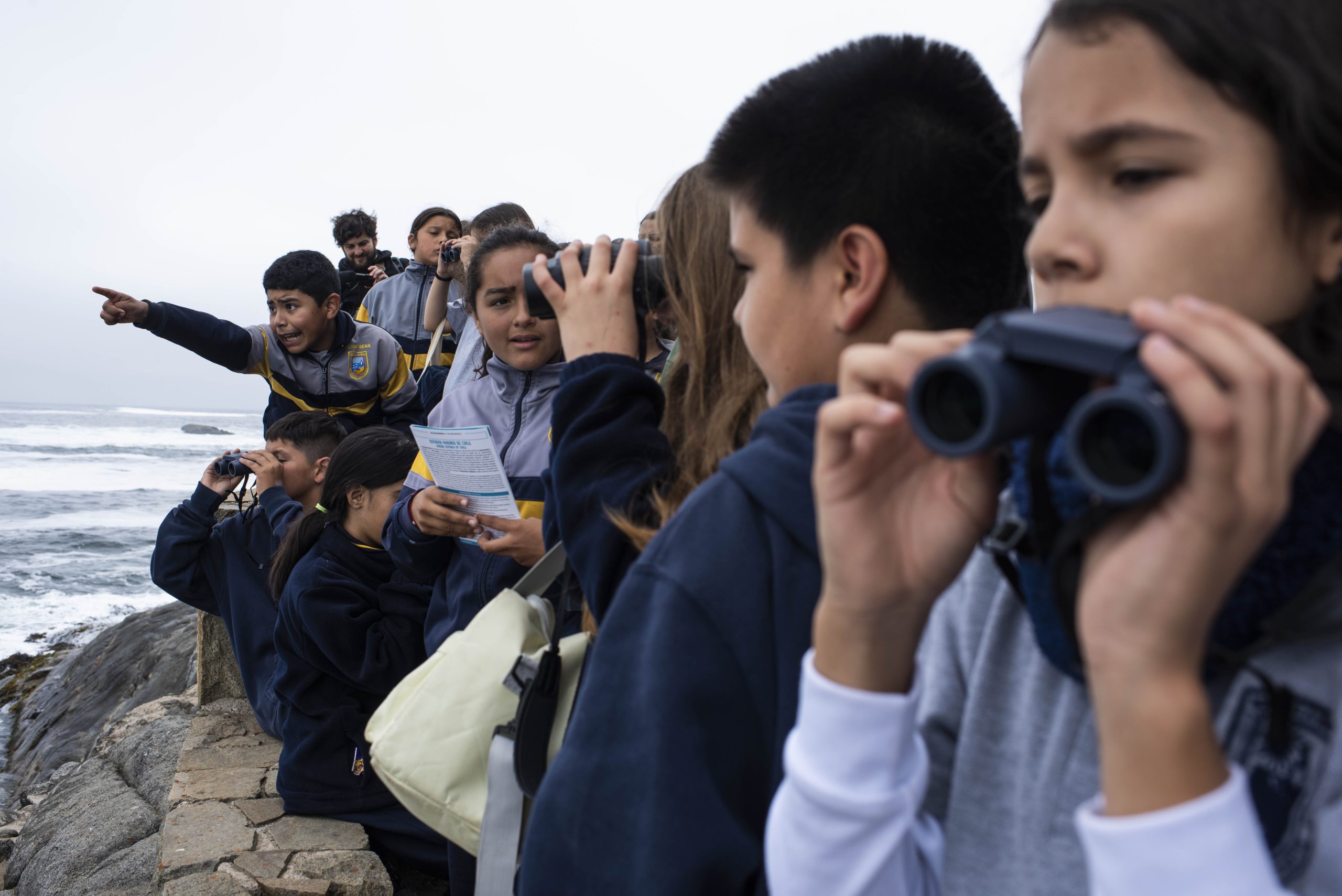
For three days, Maitencillo hosted the 3rd International TURF-Reserves Meeting, which brought together artisanal fishing communities, public institutions, civil society organizations and scientific institutions with the main goal of promoting collaboration and the exchange of experiences to strengthen Voluntary Protection Zones, the legal figure under which TURF-Reserves were recognized in the Benthic Law (Law No. 21,651).
The event, designed as a horizontal space to encourage honest dialogue and learning enriched by different perspectives, was organized by Capital Azul Foundation with support from BHP Foundation, The Nature Conservancy (TNC) Chile and the SECOS Millennium Institute in Coastal Socio-Ecology, along with the artisanal fishing groups in the TURF-Reserve Program.

Throughout the meeting, science, communities and conservation came together to spark reflections and dreams about these Voluntary Protection Zones: marine areas of roughly 10 to 15 hectares (25 to 37 acres) located within TURFs (Territorial User Rights for Fisheries, known in Chile as AMERB) managed by artisanal fishing groups. These are spaces where fishers have voluntarily decided not to harvest resources, as a way to give the sea a break through an innovative model of community-led marine conservation.

On the first day, the event focused on public policy, with reflections and discussions sparked by a talk by Amerindia Jaramillo, national coordinator of the GEF Incentives for Biodiversity Conservation project, who addressed three recently approved regulations linked to the implementation of the Biodiversity and Protected Areas Service: the regulations on Biodiversity Offsets; Payment for Ecosystem Services Contracts; and the Biodiversity and Ecosystem Services Certification System. Meanwhile, Lilian Troncoso, head of the Fisheries Management Division at the Undersecretariat of Fisheries and Aquaculture (Subpesca), discussed the regulation being drafted on Voluntary Protection Zones.
“These regulations have created a kind of virtuous moment for TURF-Reserves, and Other Effective Area-based Conservation Measures (OECMs) are also appearing on the horizon. The regulatory landscape is like several pieces of a puzzle that we have to try to put together so that we can put the right incentives in place for conservation within TURFs, through TURF-Reserves, to be good business for artisanal fishing communities,” said Rodrigo Sánchez Grez, Executive Director of Capital Azul Foundation.
Along the same lines, he added that “although the first goal of this management measure is to generate productive benefits through the sustainable use of marine resources, we also believe this virtuous moment comes as TURF-Reserves are beginning to scale up. We already have six TURF-Reserves, and two more are being established, so there is a great opportunity for their implementation to be a good idea both for environmental sustainability and for the livelihoods and resilience of coastal communities.”
Alejandra Garcés, BHP Foundation Country Director, said that “this meeting organized by Capital Azul, now in its third edition, is a clear example of how collaboration and networks can expand the reach of initiatives that seek to have a positive impact on communities and the environment. Sharing lessons and reflecting with others who have similar experiences enriches work on the ground and is key to tackling common problems in creative and innovative ways.”
After the public policy talks, it was time to look for inspiration in Mexico, where a model similar to TURF-Reserves has been implemented for more than two decades. Richard Cudney Bueno, PhD, an expert consultant in marine conservation, fisheries management, environmental policy and philanthropy, invited participants on a journey into Mexico’s System of Fish Refuges and to imagine a future with dozens of TURF-Reserves in Chile. To close the day, a workshop on games, traditions and local identity opened other spaces for dialogue and collective reflection on TURF-Reserves, with a moment of camaraderie playing rayuela, carioca and brisca.

Natalio Godoy, Oceans Strategy lead at TNC Chile, highlighted that “the 3rd International TURF-Reserves Meeting helped facilitate participatory dialogue between coastal communities and government institutions, with a particular focus on Voluntary Protection Zones. The event achieved a transparent dialogue on technical and experiential matters that could enrich and improve the existing regulatory framework, incorporating the experience and needs of communities. Through this participatory dialogue, we hope to strengthen the implementation of TURF-Reserves, ensuring that the communities that manage them receive the institutional support they need to effectively protect and conserve their marine territories.”
For her part, Amerindia Jaramillo explained that “this exchange of experiences is very, very important, above all because we can explain what these instruments are about in a space of trust, through spending time together and in a more personal way. In a horizontal space for conversation, the technical questions that arise are very important because they also lead us to give a more specific view of how this will be applied in Chile and how international experience, in this case from Mexico, can be brought into what we are doing.”

Exploring other topics
The second day of the 3rd International TURF-Reserves Meeting began with a presentation by the Huiro Indigenous Fishers Association, which focused on the lessons and challenges experienced while implementing the Guadei TURF-Reserve, the first in the Los Ríos Region and the first outside the Valparaíso Region, the result of collaborative work with TNC Chile and Capital Azul.
After this look at the experience in the south, participants learned about a study characterizing the role of women linked to the TURF-Reserves in the Valparaíso Region, followed by a workshop on a gender approach to current legislation on the subject.
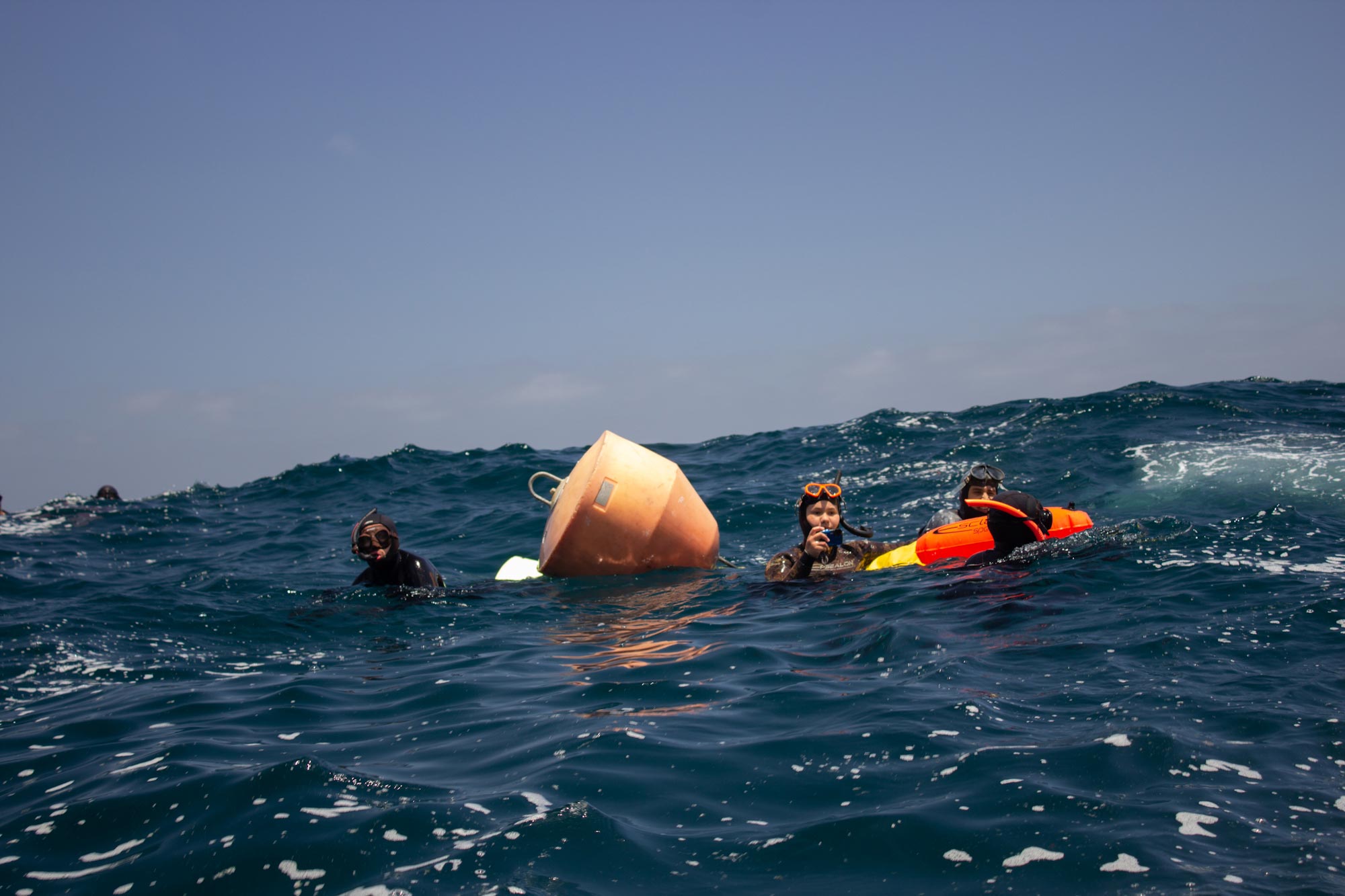
These topics led into an afternoon devoted to the science applied to this model, with presentations of subtidal biodiversity monitoring data as well as new complementary methods being used in the TURF-Reserve program, such as flight initiation distance, which measures how close a diver can get before a fish flees, and intertidal biodiversity monitoring. To close the day, the documentary “TURF-Reserves: Artisanal Fishers Caring for the Ocean” was screened, telling this story of community-led marine conservation through the voices of its protagonists.

“This has been growing strongly, with fishing coves in the south and in central Chile believing in it, and it is not just a story, it is a reality. The only way to have products in the future, for our children and grandchildren, is to take care of the sea. Bringing together the scientific community, universities and fishers… it is an alliance that has to happen at every level, and that is why these gatherings are good,” said Ricardo Silva, president of the Maitencillo Fishers Union.
Finally, the last day of the meeting featured a workshop on good practices in TURF-Reserves, a participatory session designed to reflect collectively on how to interact responsibly with Voluntary Protection Zones and strengthen their care. The meeting closed with the conviction that TURF-Reserves are much more than no-take areas: they are a living model of community-based conservation, capable of inspiring policy, strengthening local economies and building resilience in the face of the ocean challenges ahead.


RELATED NEWS