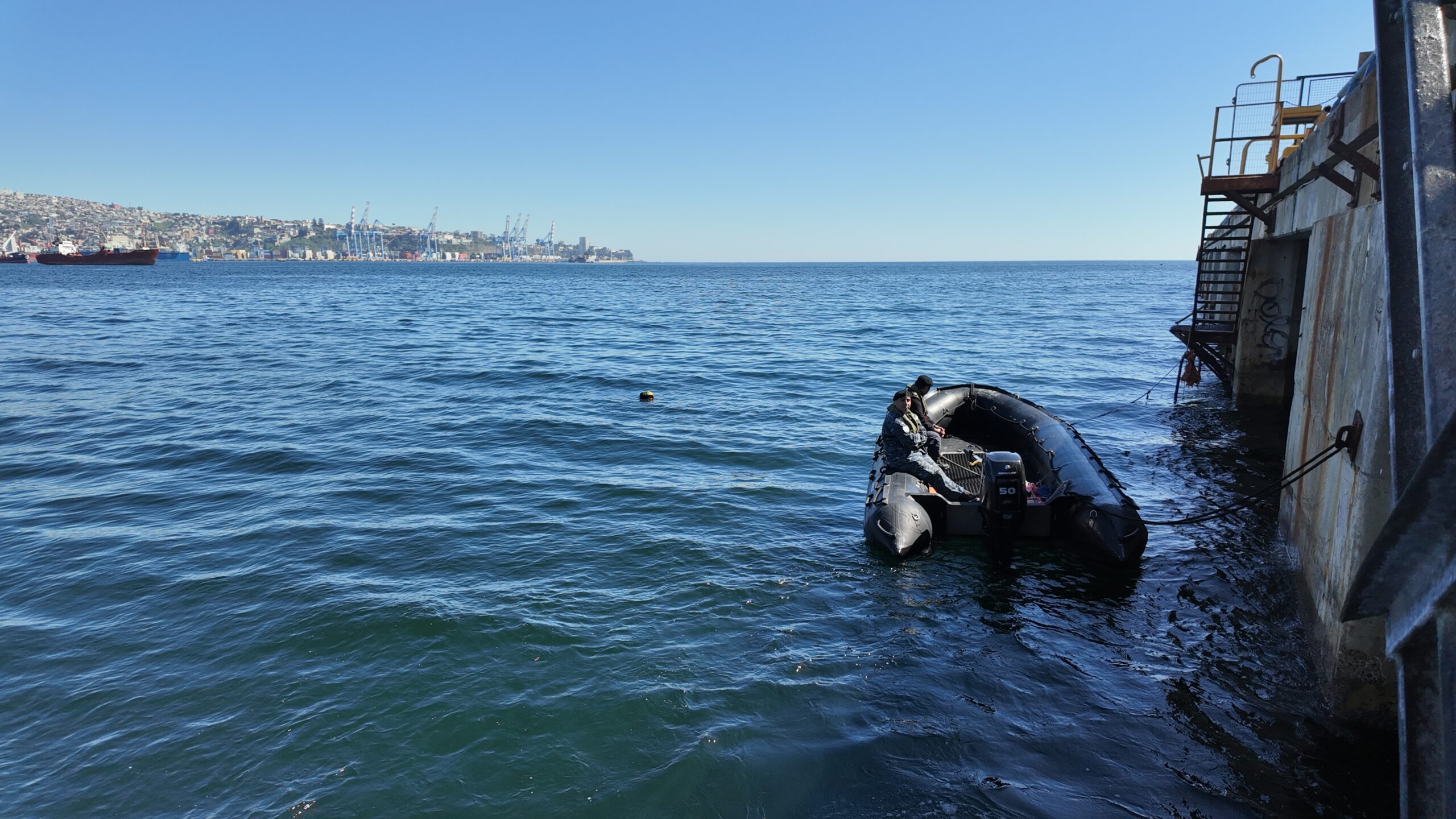
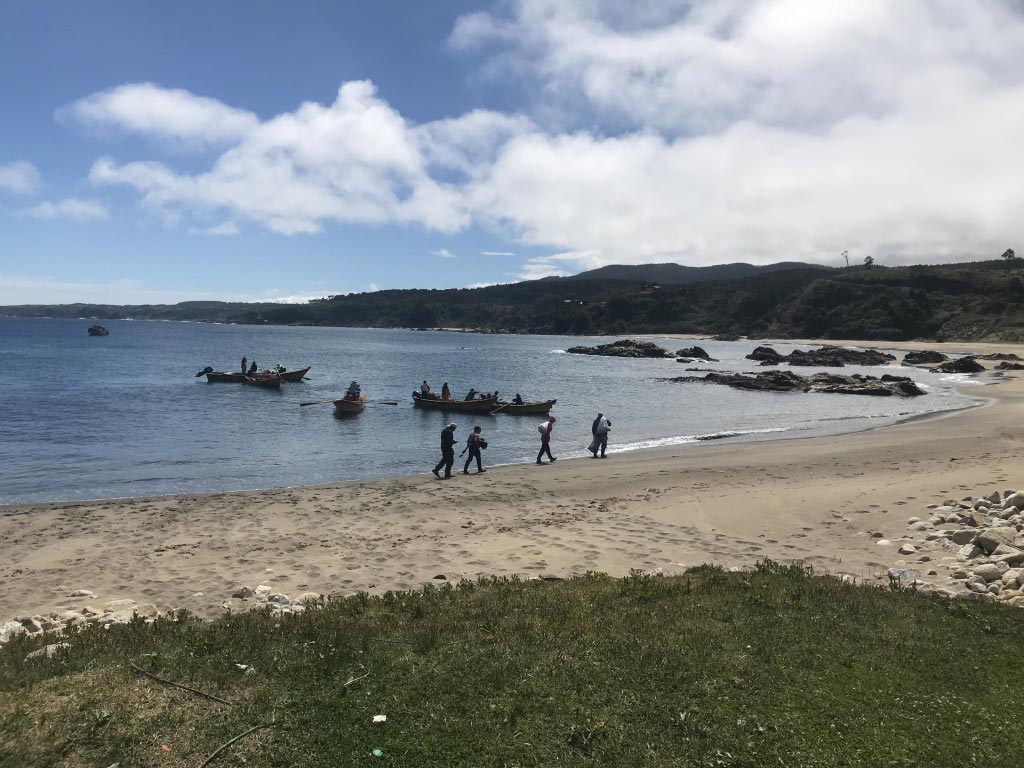
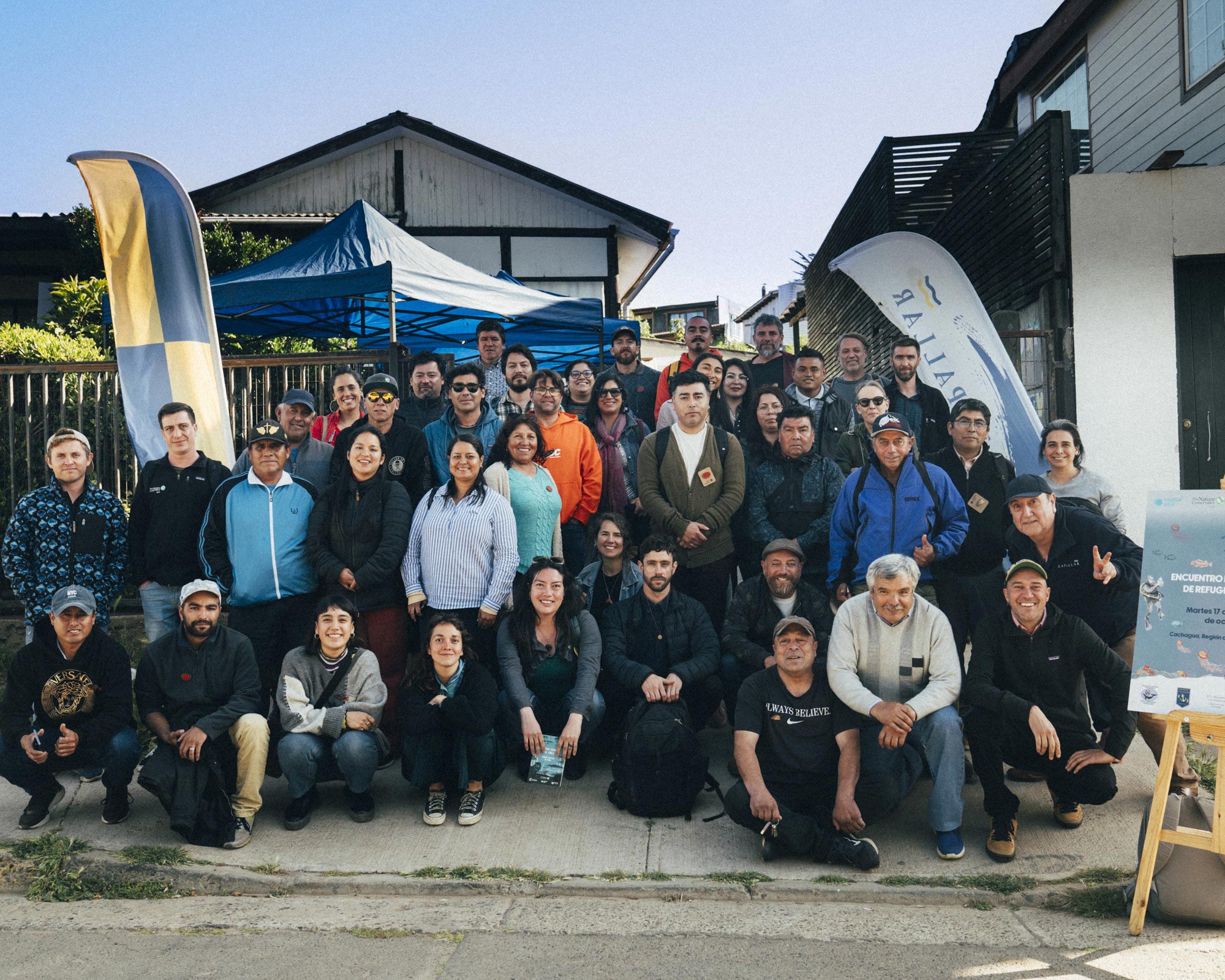
As frontline witnesses to the degradation of marine and coastal ecosystems, artisanal fishing communities are weaving new ways of relating to the ocean: caring for it, restoring it and passing on its story to future generations. This is the heart of “Voices of the Ocean,” an audiovisual series by Capital Azul Foundation that gathers the testimonies, hopes and lessons of artisanal fishers, both men and women, who are driving the creation of TURF-Reserves: community-led marine conservation areas located within TURFs (Territorial User Rights for Fisheries, known in Chile by the Spanish acronym AMERB).
Through short audiovisual episodes, “Voices of the Ocean” travels to five places at the forefront of implementing Voluntary Protection Zones: La Polcura, Ventanas, Zapallar, Cachagua and Maitencillo. Each episode is an intimate, first-person account of how artisanal fishing organizations are moving away from overexploitation and the pressure of fishing and extractive activity toward a model that puts sustainability, biodiversity and collective memory at its center.
This audiovisual initiative, led by Capital Azul Foundation, is supported by BHP Foundation. It is part of a larger project directed by documentary filmmaker Valentina Díaz Saravia, which also includes the short documentary “TURF-Reserves: Artisanal Fishers Caring for the Ocean,” to be premiered over the coming months in some of the communities that are part of the TURF-Reserve Program.

“Behind every TURF-Reserve there are people who care, who know the sea as part of their lives and their history. With this series we wanted to give them a voice, so that the communities themselves can tell how and why they are leading a new way of doing marine conservation based on science, collaboration and local knowledge. Today, artisanal fishing doesn’t just extract resources: it also protects and restores marine and coastal ecosystems, taking a decisive step toward becoming a key player in the sustainable management and use of the ocean,” explains Rodrigo Sánchez Grez, Executive Director of Capital Azul Foundation.
“What’s interesting is giving a voice to these people, so they tell their own story. Not someone else telling it, but them, in their own voice, saying what they think, what they think about the past and the future, how they see the project, why they think it’s good, and telling it themselves from their own experiences, emotions and narratives,” said Valentina Díaz Saravia.
Along with highlighting the impact of TURF-Reserves at the community and social level, she said the audiovisual work gathers stories from “generations of families who have lived and lived together there by the sea and have seen how everything has changed with overexploitation. So it’s really important that they can talk about that from their own perspective.” The filmmaker added that in the field she observed a paradigm shift toward “a new identity for artisanal fishers, no longer as predators but as protectors. You can see that in every cove they’re very clear about it; there’s a very strong commitment and pride.”


STORIES WITH LOCAL IDENTITY
The “Voices of the Ocean” audiovisual series seeks to highlight that conserving the sea also means restoring the relationship between people and their environment, strengthening coastal identity and building a more resilient future for local communities.
“There was a time when it was bare here (a desert). You’d dive by a rock and there was nothing, because the predators of the coastal zone have been us,” says Ricardo Silva Manzo, president of the Maitencillo Artisanal Fishers Union, adding that “the TURF-Reserve is making fishers realize that if they take care of part of their surroundings, that part will grow with everything in it, with all the mollusks, the algae, the sponges, the piures (Chilean sea squirts), everything; everything will grow there because it isn’t touched.”


“It was a voluntary agreement by the union, and that allows each of the species there, especially the mollusks, to reproduce more, not only in the area itself but also in the surrounding areas, and that helps the coast, it helps families,” says Eugenio Silva Pinto, a member of the Ventanas Artisanal Fishers Union.

“It was complicated at first because we’re a cove of shellfish divers, so just talking about these 15 hectares (37 acres) we were going to set aside for conservation sounded a bit crazy… we used to take something like 10,000 locos and 5,000 sea urchins from that spot,” says Sergio Veas Verdejo, president of the Zapallar Artisanal Fishers Union. And he adds: “Today it’s recovering there. That’s good, it’s important; the sacrifice of losing money was worth it, because we are recovering something for future generations.”
In every cove and in every TURF-Reserve, the ocean speaks to us through those who care for it and are leading this new form of community-led marine conservation. These are stories woven with nets, hope and collective memory: voices that remind us that conserving the sea also means conserving ourselves. The full series is available on Capital Azul Foundation’s YouTube channel: click here to go to the playlist.
“Voices of the Ocean” series
RELATED NEWS