By Daniela Calderón Quirgas and Tomás Moggia Cárdenas.
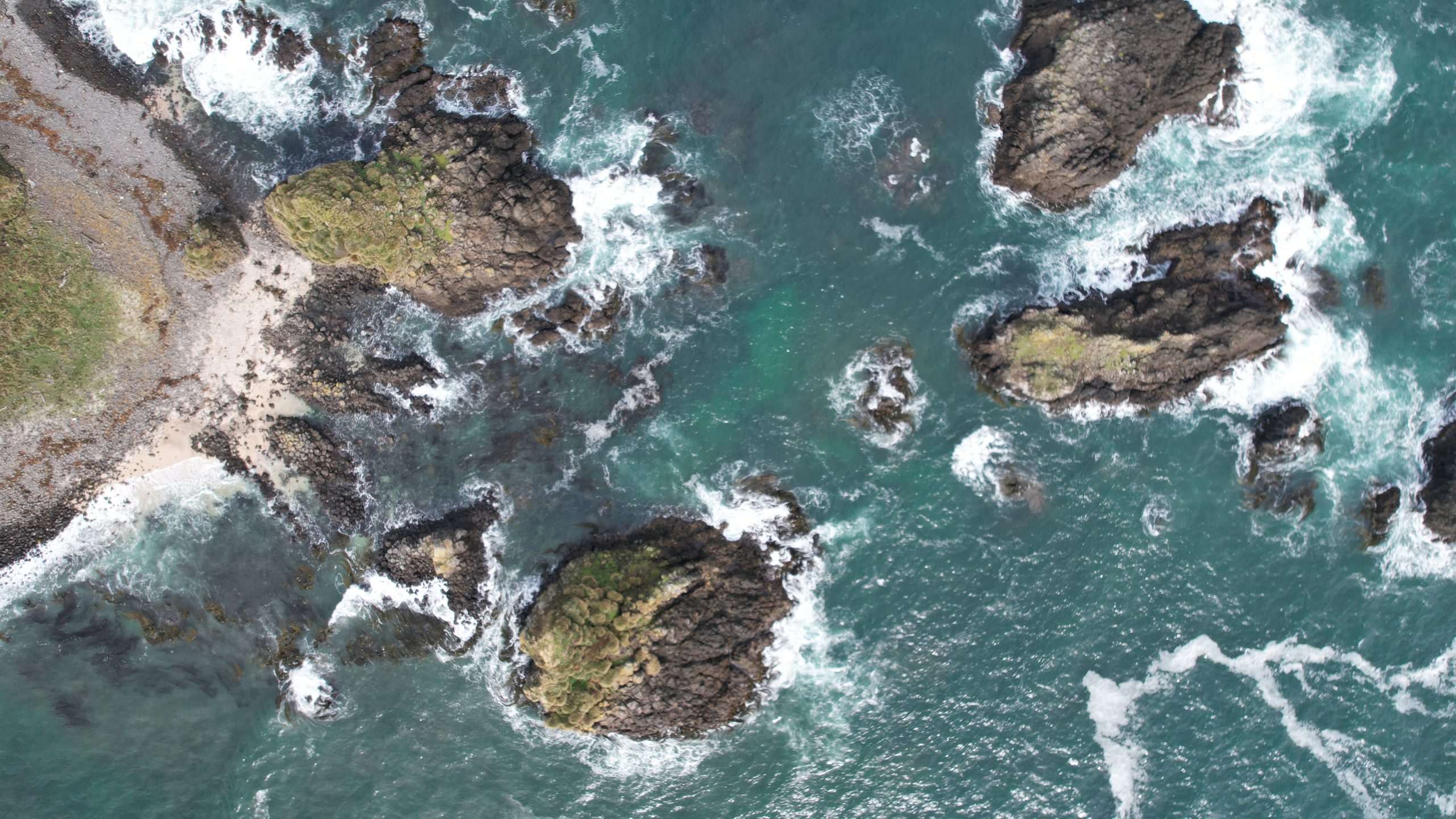
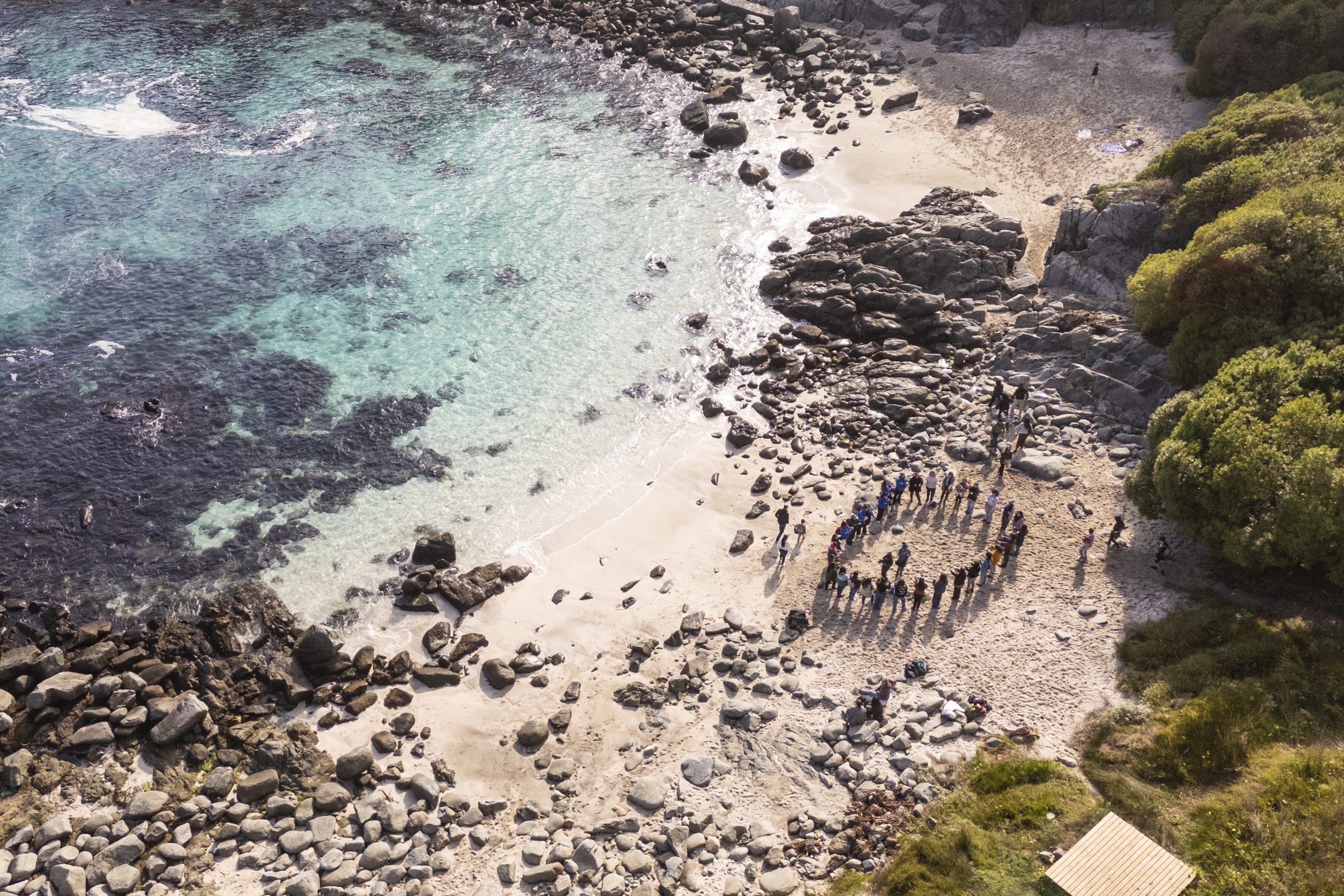
Between the evergreen Valdivian rainforest and the deep blue of the Pacific Ocean, the village of Caleta Huiro is nestled in a landscape where nature amazes at every step. Ancient trees rise above the coast like witnesses to the calm passage of the great whales that cross these rough waters almost every day.
In this generous landscape, the community has forged a deep bond with the land and the ocean since time immemorial. As a way of adapting to new times without losing their roots, in 2002 a group of residents decided to organize, and a year later they founded the Huiro Indigenous Association of Shellfish Divers, Artisanal Fishers and Shore Gatherers.
Also known as the Huiro Indigenous Fishers Association, the organization was created to keep its Lafkenche identity alive and to protect the livelihood its members have historically drawn from the sea: mussels, locos (Chilean abalone), limpets and sea urchins. Today the association manages three TURFs (Territorial User Rights for Fisheries, known in Chile by the Spanish acronym AMERB): two in the Colún River and one at sea, in the Guadei area. It is in the latter that they are working to create a new TURF-Reserve in partnership with Capital Azul Foundation and The Nature Conservancy (TNC) Chile.
As inhabitants of Lafkenche territory, the organization’s members say they have always had a natural calling for conservation. However, recent changes in the marine environment raised the alarm and reinforced the urgency to act.
“Some species are running out… the territory is going through a change. Because of that, we’ve been trying for years to protect our territory in some way, and when we started learning about TURF-Reserves, they seemed like a good alternative for protection,” explains Horacio Antillanca, secretary of the Huiro Indigenous Fishers Association.
THE ORIGIN OF A COLLECTIVE IDEA
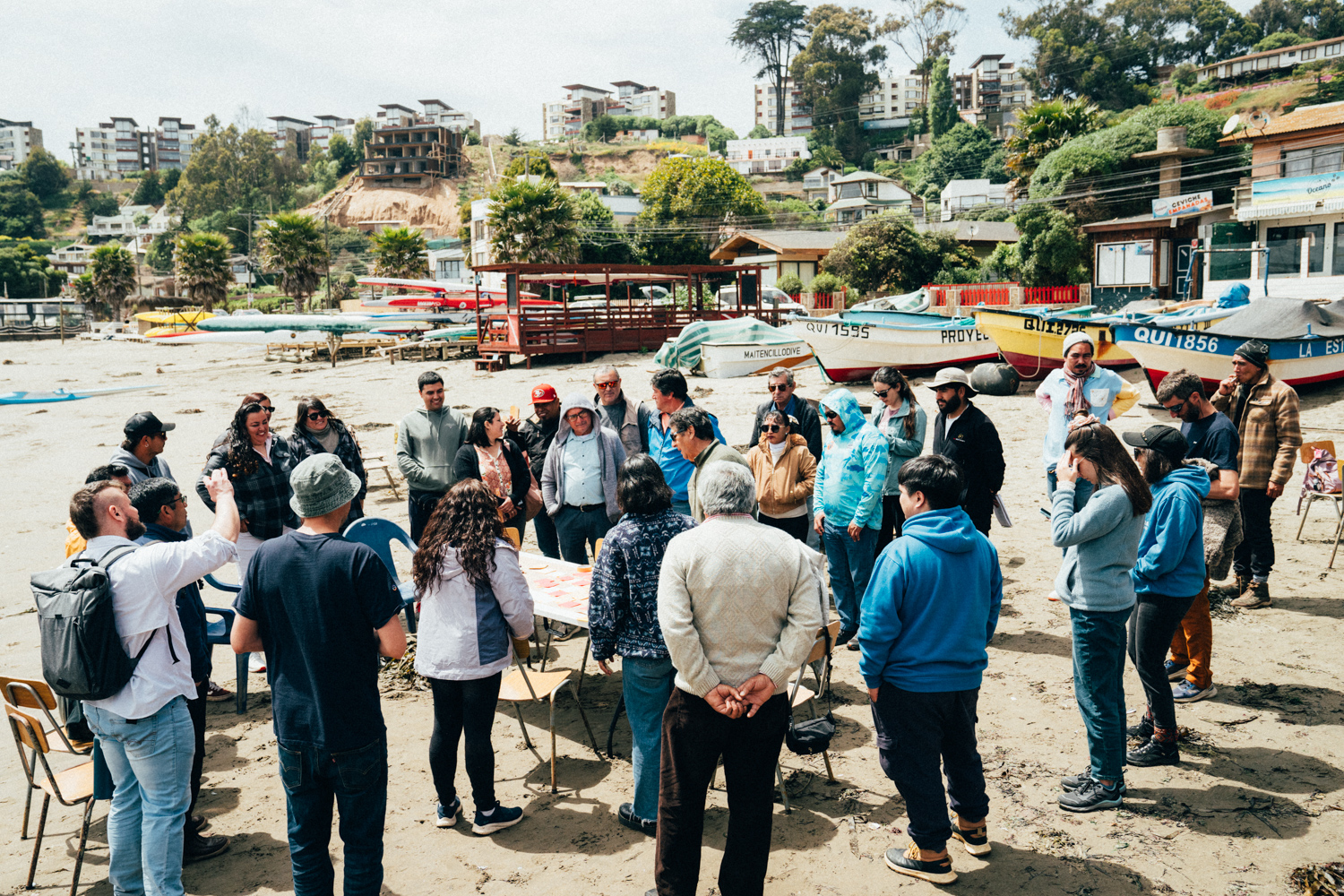
With more than two decades of work in the area, and with the Valdivian Coastal Reserve as its flagship for land conservation, The Nature Conservancy (TNC) Chile began exploring ways to bring that same commitment to the sea. And so, in partnership with the consulting firm Bitecma, in 2021 they began a series of participatory meetings with organizations that manage TURFs between Corral and Punta Lamehuapi, on the southern coast of the Los Ríos Region.
From these meetings came a shared interest in learning about new forms of community-led conservation, such as TURF-Reserves. This marked the beginning of a close collaboration between TNC Chile and Capital Azul Foundation.
This partnership launched a collective process of exploration and learning that laid the groundwork for dreaming of a TURF-Reserve in Huiro. One of the most important milestones was the Participatory Assessment of Enabling Conditions, the first of its kind within the TURF-Reserve Program, which made it possible to identify, together with the community, the key factors for moving forward sustainably.
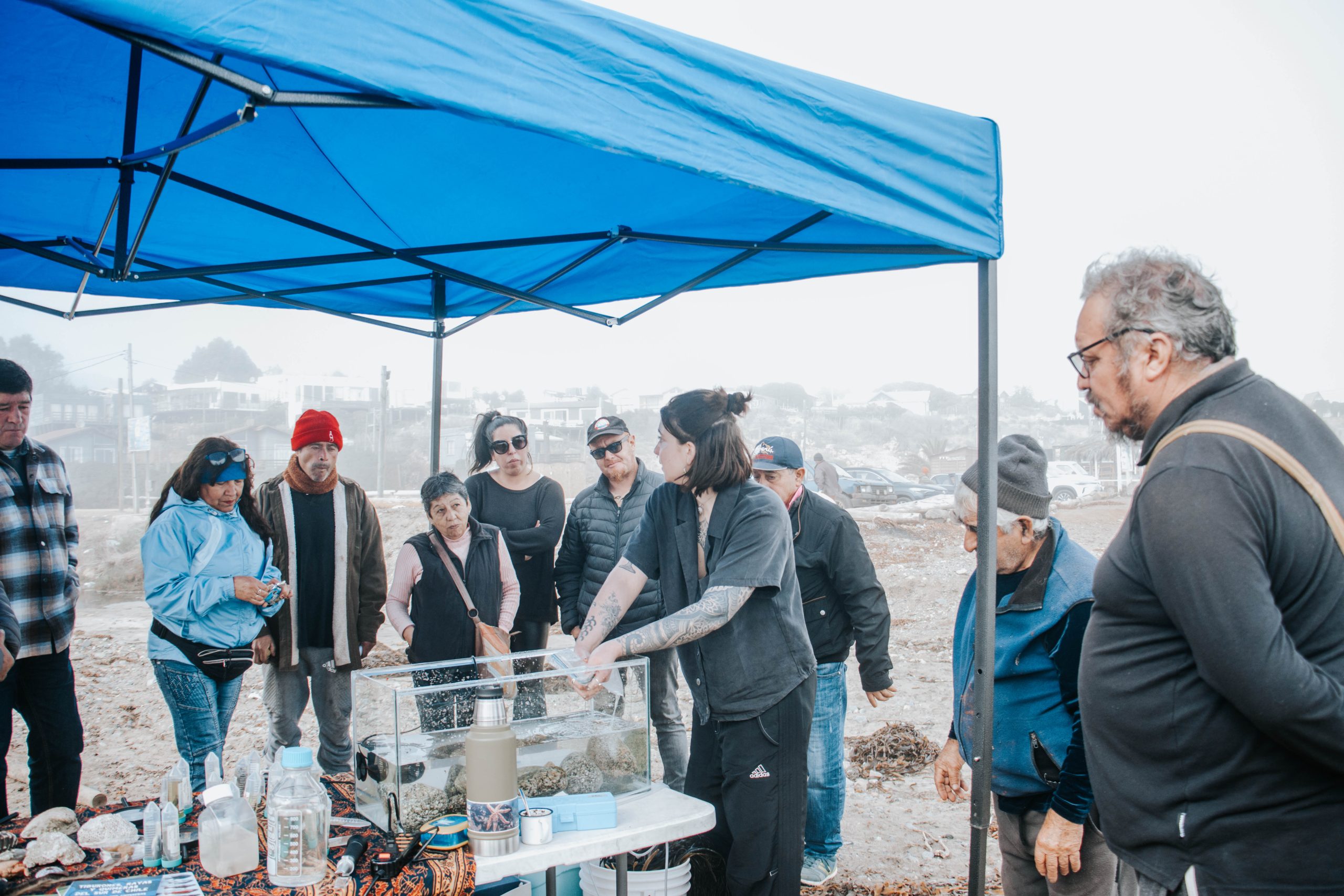
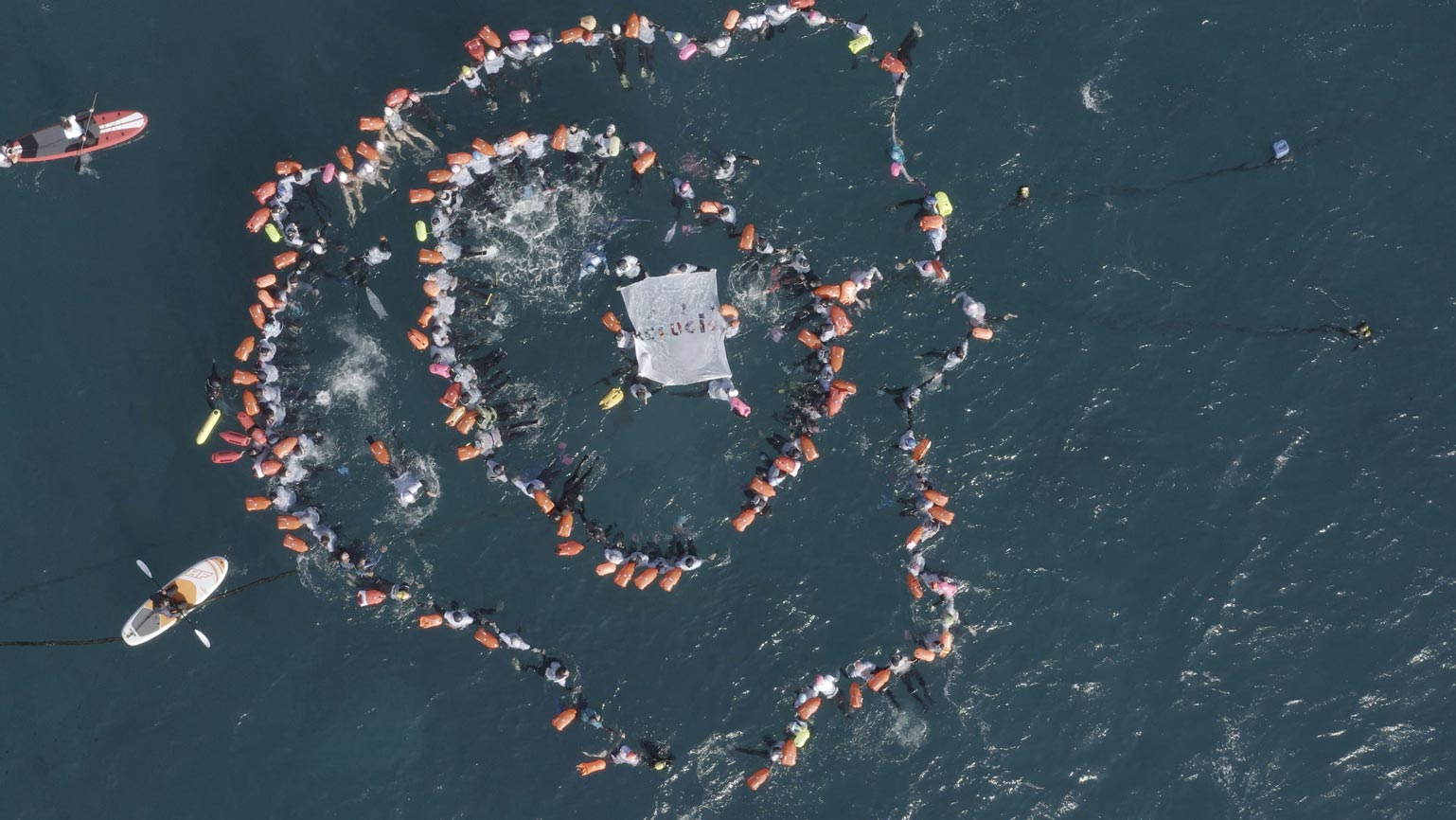
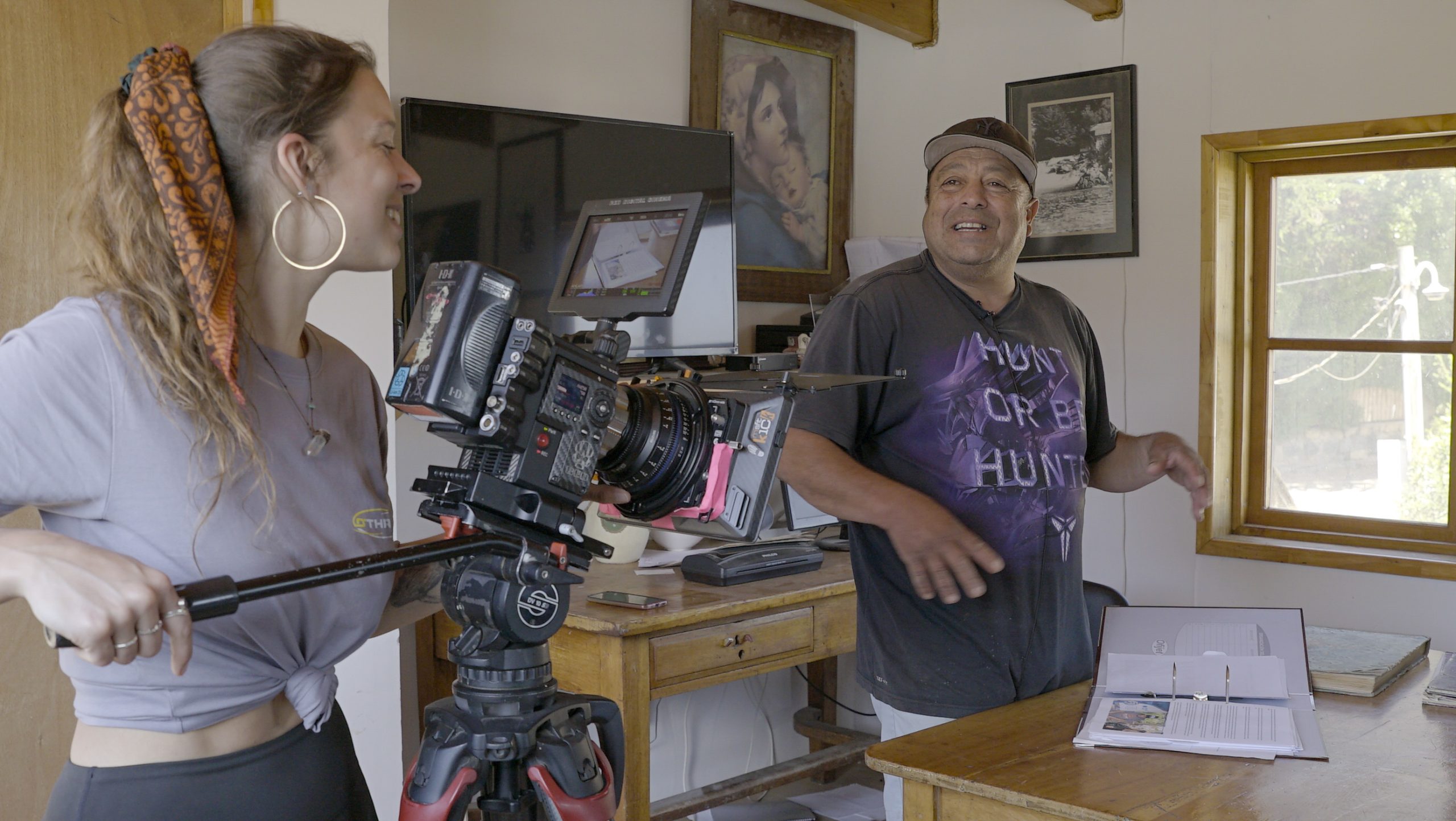
The Capital Azul Foundation team made two field visits to Huiro, opening up spaces for dialogue, listening and shared building in what is known as the co-creation phase of the TURF-Reserve model. At the same time, representatives of the Huiro Indigenous Fishers Association were able to take part in the International TURF-Reserves Meetings held in the Valparaíso Region in 2023 and 2024, where they learned about the experiences of other coastal communities that, like them, have seen conservation as a way to care for their stretch of sea and ensure a prosperous and resilient relationship with the ocean.
“We came back enriched by the experience that it is possible to create this figure, which allows us to keep what we want to conserve in the territory,” says Horacio. The stories of other coves where TURF-Reserves are already working showed that this option is not only viable but necessary, given the visible decline of species such as the sierra (snoek), the loco, mussels and the vieja (Chilean black seabass), which once thrived in Huiro’s waters.
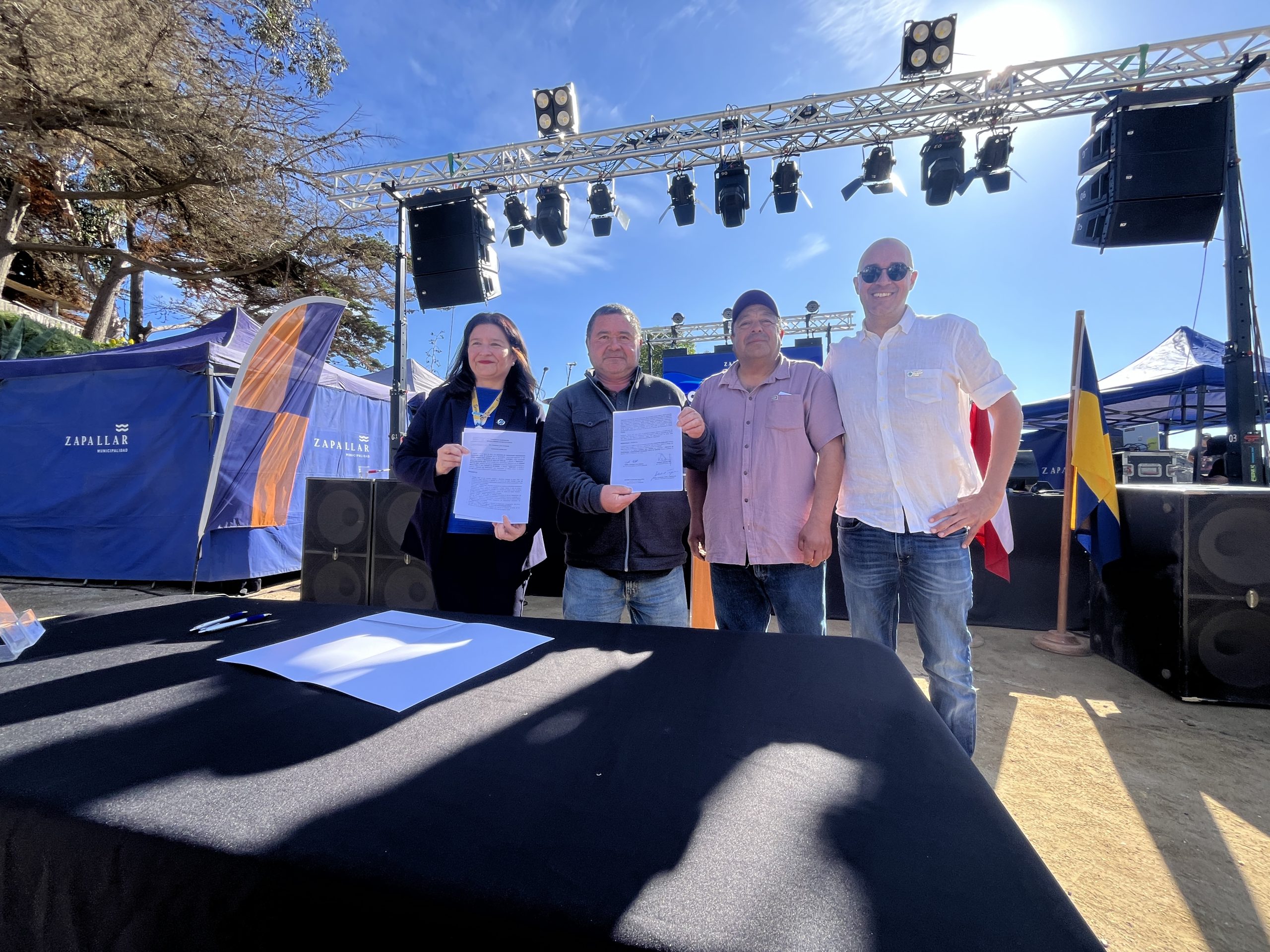
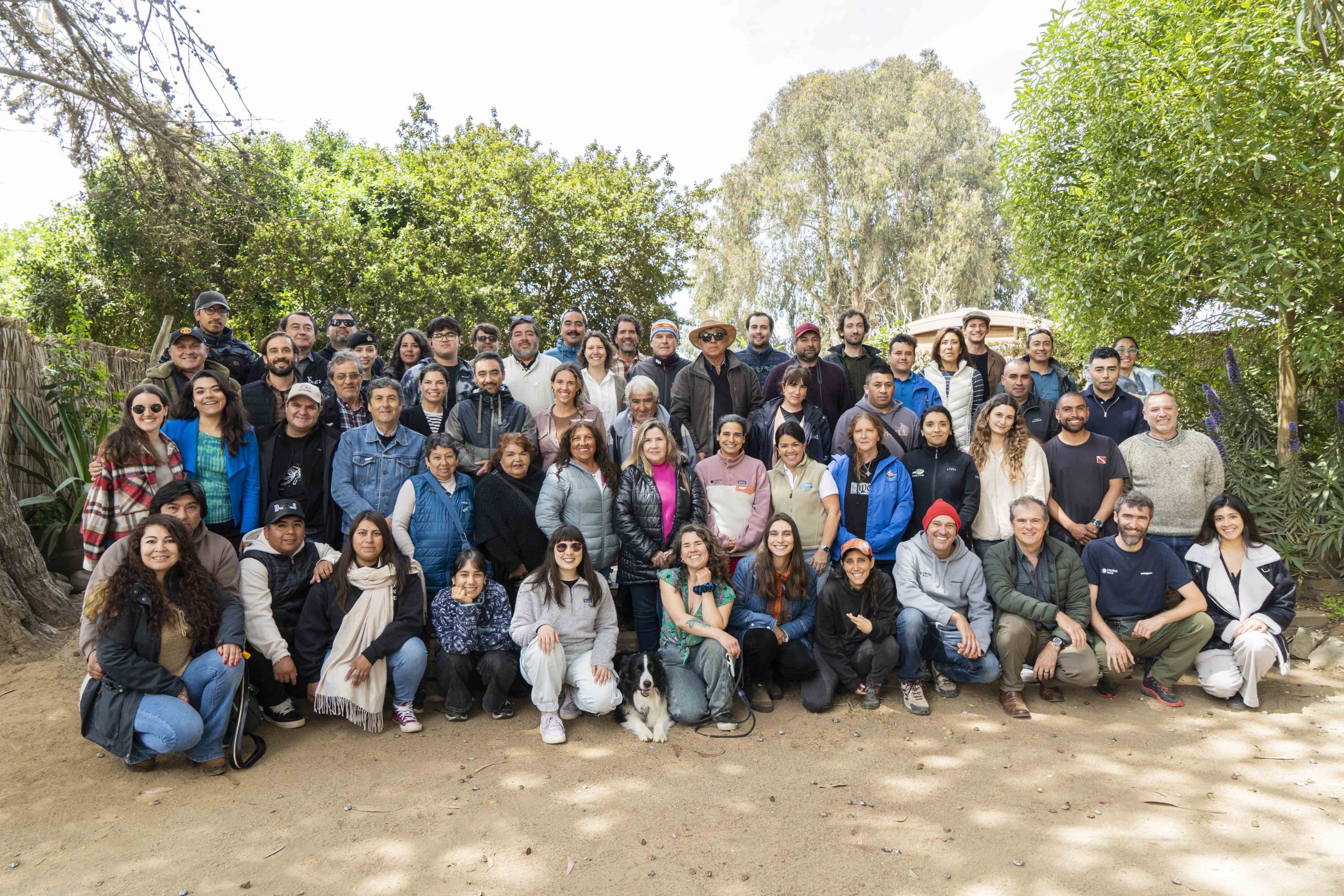
The collective work reached a key moment in March 2025, bringing together a range of stakeholders for the signing of the Collaboration Agreement, which formally began the enabling phase of the Guadei TURF-Reserve, whose inauguration before the local community is planned for the summer of 2026. This milestone represents not only the commitment of an organized and determined community, but also the start of a broader process: the expansion of the TURF-Reserve model to other regions of the country, beyond its birthplace in the Valparaíso Region.
“Ever since we learned the story of TURF-Reserves, we’ve wanted to have one here. Continuing to conserve our surroundings is like an icon for us,” says Antillanca.
FROM LEARNING TO ACTION
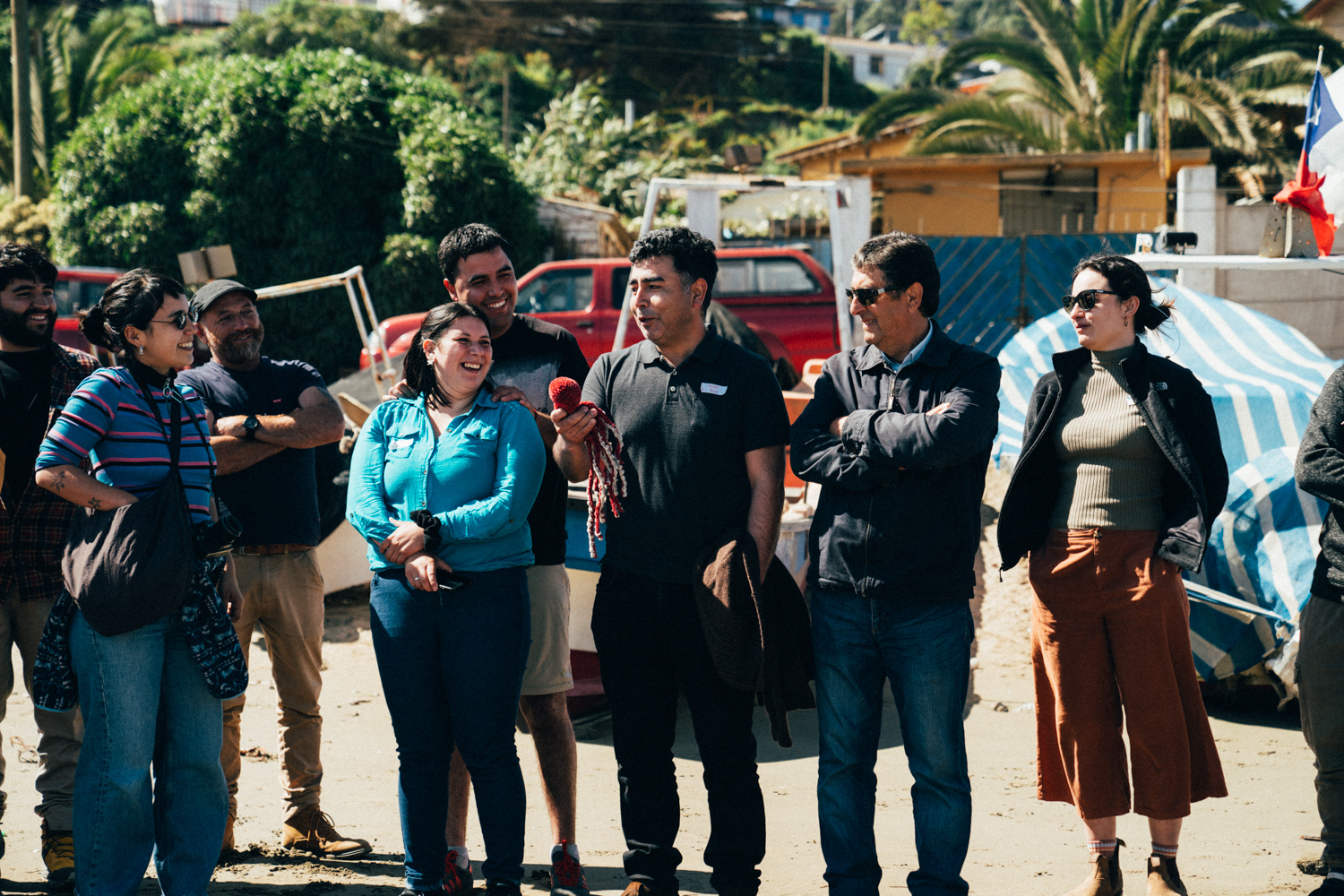
After taking part in the International TURF-Reserves Meetings, Horacio Antillanca says one of the main lessons was realizing that the challenges they face are not unique, and that there are concrete solutions that have already borne fruit elsewhere.
“We learned that the experiences of that territory can also be replicated here,” he says. “That territory was also affected, just like we were at some point. And thanks to TURF-Reserves, they’ve been able to conserve the species they work with. So we have the same needs and the same problem: species are, in a way, running out, or some are disappearing.”
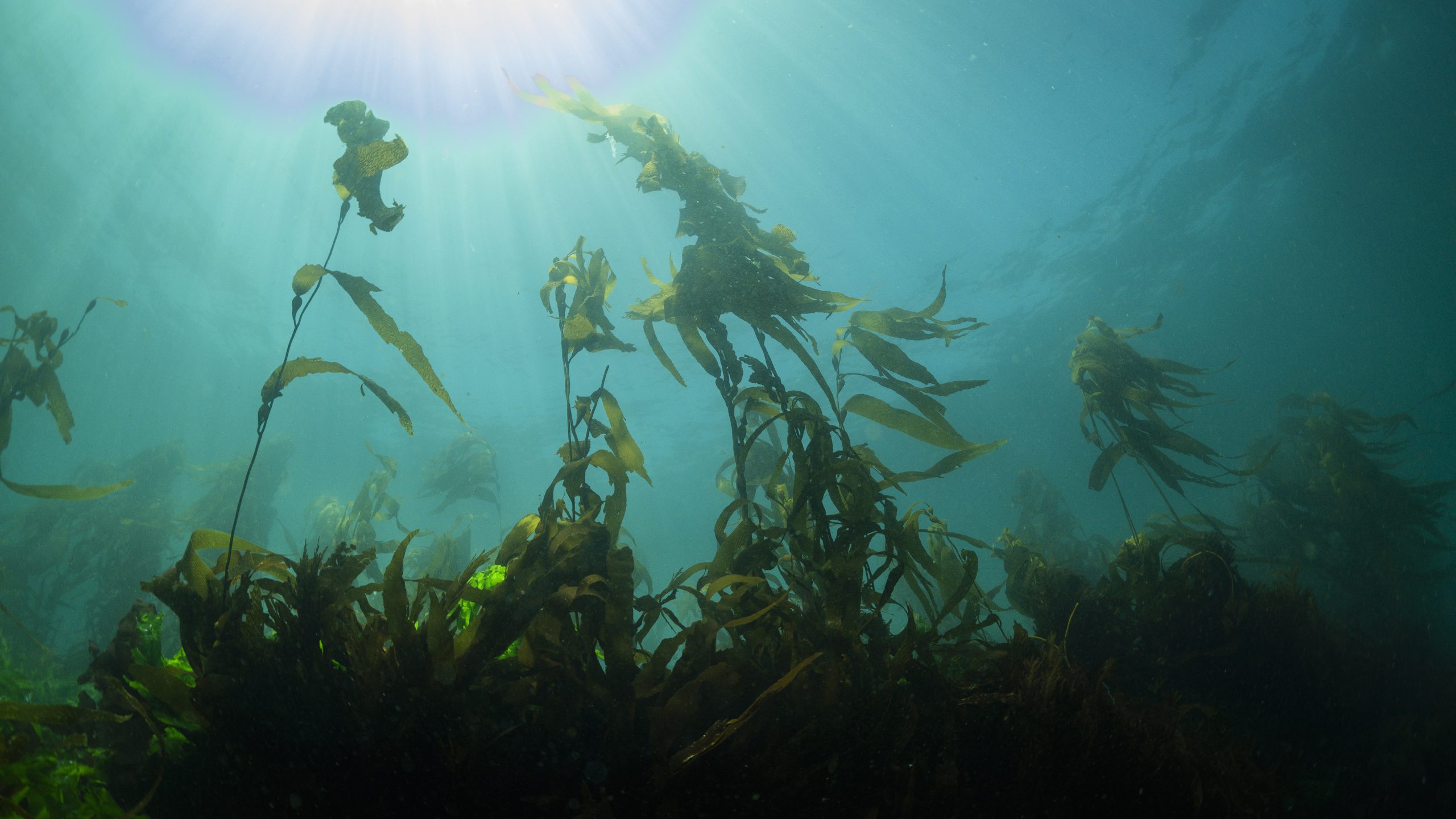
Among the species that most concern the community are those that used to be part of their daily livelihood and are now visibly scarce. The sierra, for example, has declined in size and numbers; the same is true of the loco, which boomed in the area but, despite management efforts, is now much harder to find.
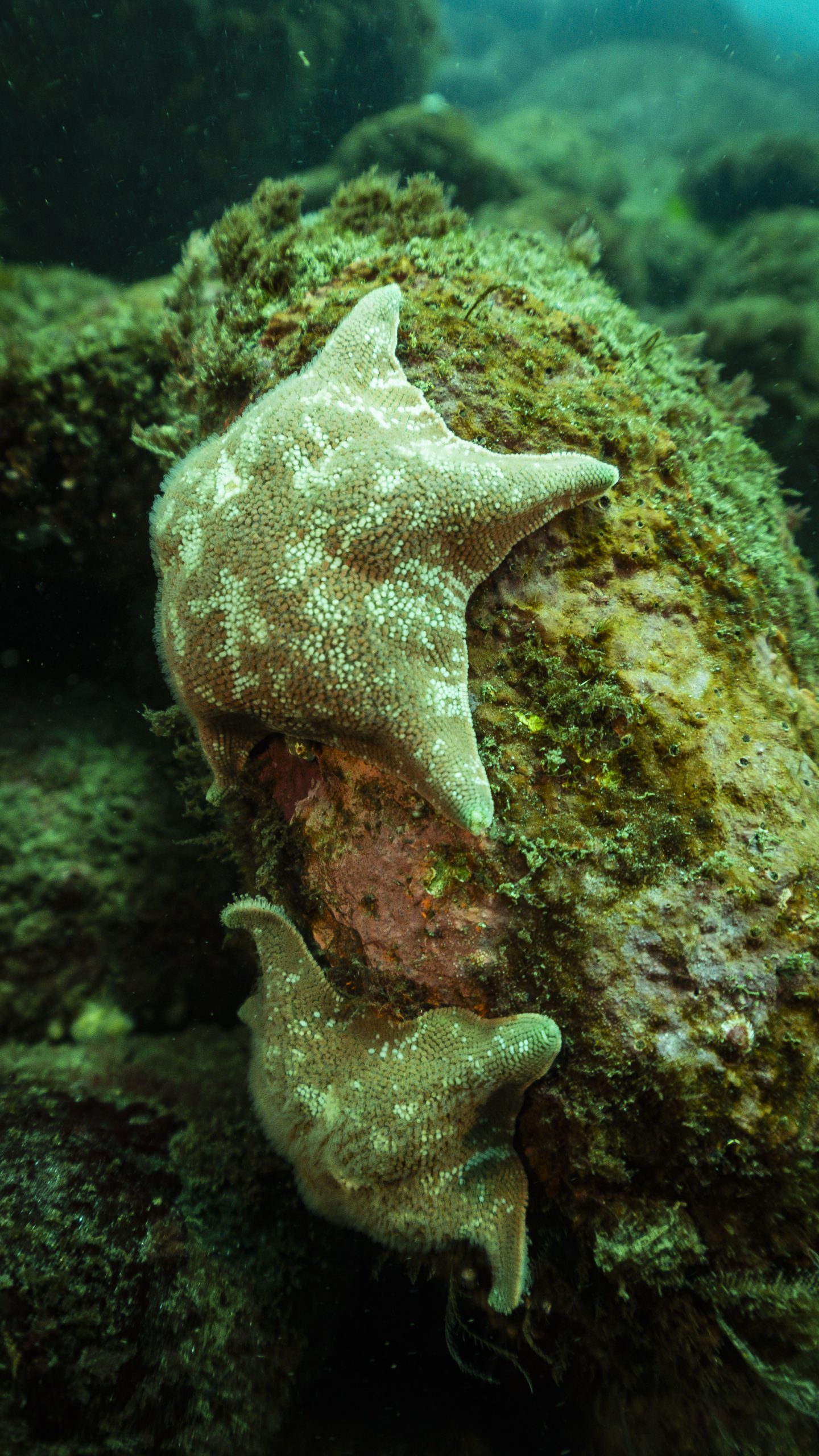
“The same thing happened with the mussels in the rivers. We used to find very large mussels in the natural beds, and now they’ve become much smaller. And some fish species have also been affected, like the vieja, which has disappeared from the territory. We know it still exists, the divers see it, but we can no longer fish like we used to. All of this leads us to create this TURF-Reserve, because it would allow us to care for species and the places where they can live,” says Horacio.
Against this backdrop, the TURF-Reserve is seen not only as a conservation tool, but as a common space that can bring the community together and draw in other organizations around a shared goal.
“The interest is there in the territory; we all want this way of conserving,” says Horacio Antillanca. “Now it’s up to us as an association to make this idea of conservation more familiar and bring in more stakeholders. The idea is to keep bringing in more people to support us, other institutions, and I know that, at least in the territory, setting up a TURF-Reserve is being seen in a positive light.”
Some of this was reflected in the recent signing of the Collaboration Agreement. As a way of pledging their support and building partnerships for the future, the ceremony was attended by Claudio González Navarro, mayor of the municipality of Corral; Rafael Hernández Vidal, regional director of Sernapesca; Nicolás Valdivia Cisternas, zonal director of the Undersecretariat of Fisheries (Subpesca) for La Araucanía and Los Ríos; Jorge Sánchez Slater, Regional Ministerial Secretary (Seremi) of Agriculture for the Los Ríos Region; Carlos Torres Silva, regional coordinator of INDESPA (the National Institute for the Development of Artisanal Fisheries and Small-Scale Aquaculture); First Lieutenant Claudio Villalobos Briceño, Harbor Master of Corral; and Cristián Maldonado, non-commissioned officer at the Corral police station.
Horacio doesn’t hide his satisfaction. He knows this is a big step in the whole story, but he is also clear that there is still a long voyage ahead.
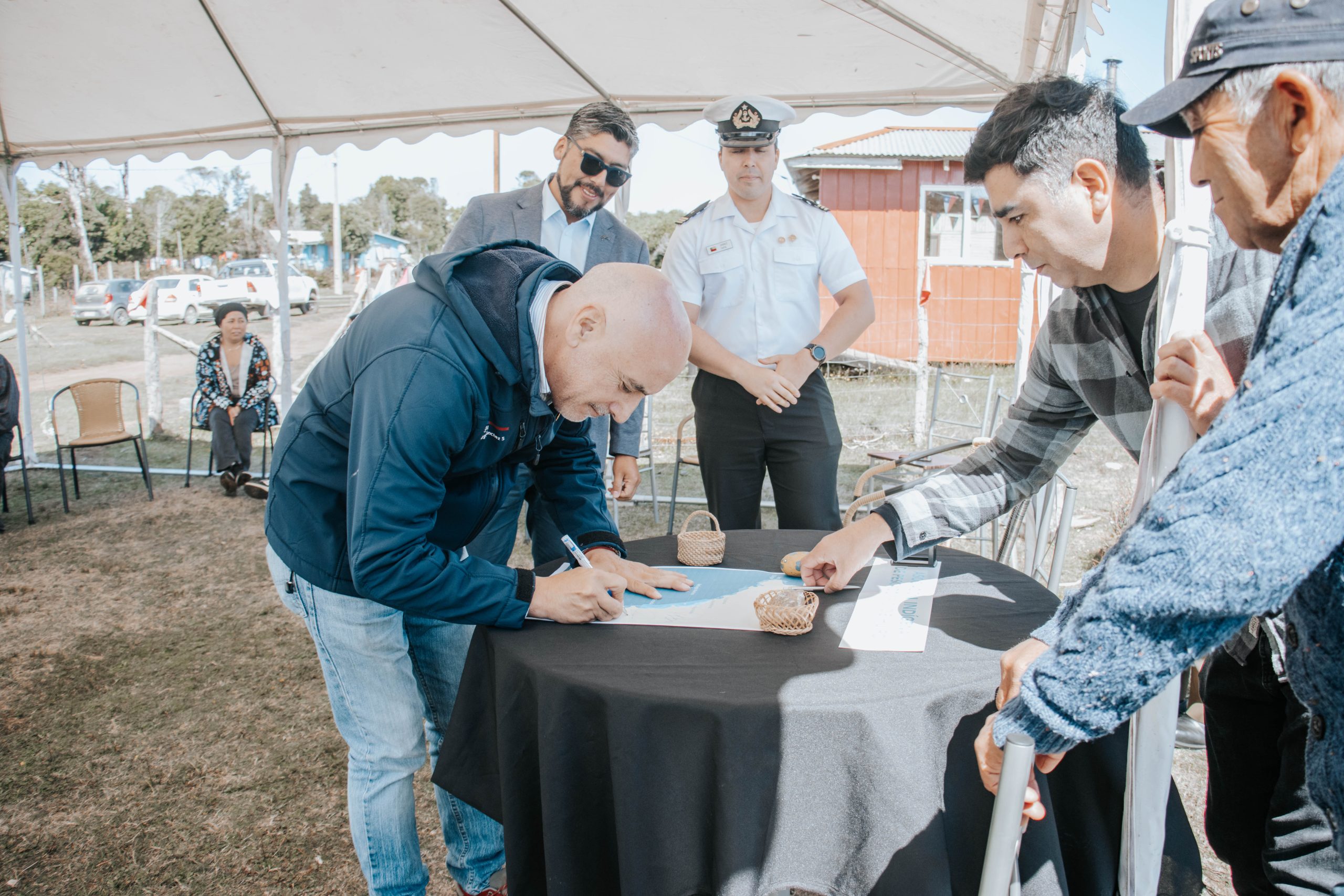
“We know this doesn’t end here; rather, another process begins that will surely require much more energy. But I’m happy that we’ve been able to agree as an organization and say that this is what we want in the territory, that this is necessary for us, and that this is what we want to keep working on,” Antillanca concludes.
As an initiative born from the very heart of the territory, led by those who have lived for generations looking out at the sea, understanding its cycles, and learning from its abundance and its silences, the story of the Guadei TURF-Reserve rises like a lighthouse on a coast battered by the ocean. In times of ecological, climate and social uncertainty, a community dares to build collectively, following the whisper of the forest and the song of a sea that, if given a break, always finds a way to come back to life.
RELATED NEWS