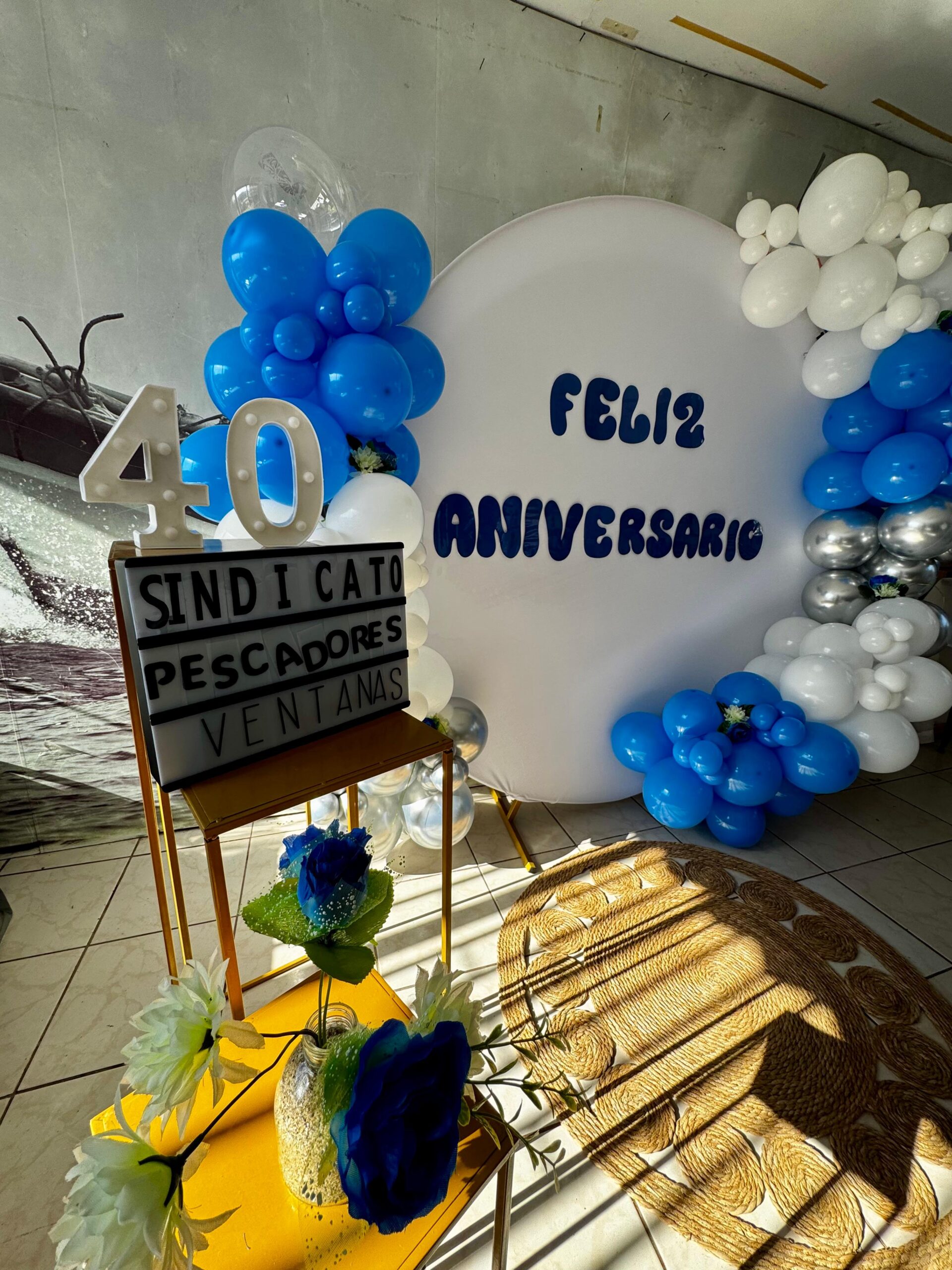
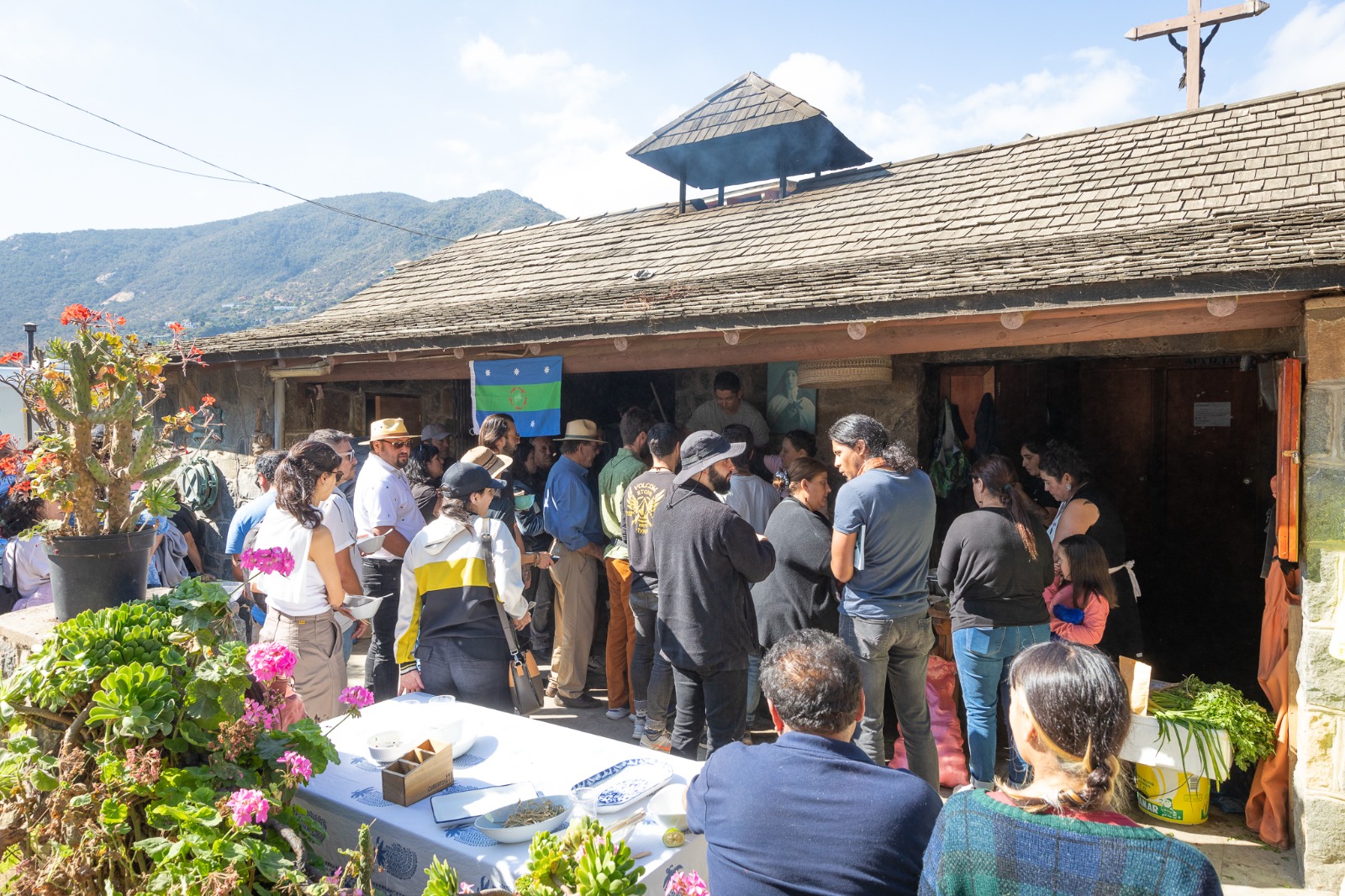
Braving the cold of a gray winter morning, an enthusiastic group of young people, made up of members of the Maitencillo and Ventanas artisanal fishers unions, as well as people who work with these coves and representatives of other coastal communities, arrived at Muelle Barón in Valparaíso to continue their training in the Basic Shellfish Diver Course with an Emphasis on Sustainability.
This initiative, which seeks to strengthen local capacities, aims to provide the knowledge, techniques and theoretical and practical skills needed to train basic shellfish divers, including taking an exam before the Navy to eventually obtain the corresponding certification.

The course is organized by Capital Azul Foundation, an NGO that has spent 10 years co-producing sustainable innovations with artisanal fishers, in particular leading the implementation of TURF-Reserves within the TURFs (Territorial User Rights for Fisheries, known in Chile as AMERB) of coves such as Maitencillo and Ventanas. Both cases are the two demonstration experiences in the Valparaíso Region that are part of the GEF Incentives for Biodiversity Conservation Project, in which Capital Azul acts as technical and scientific facilitator.
Rodrigo Sánchez, Executive Director of Capital Azul Foundation, highlighted the deep social and territorial value of this course: “For us it has a meaning that goes far beyond the technical. Today we are concerned to see how many fishing coves are aging and how hard it is to ensure generational renewal. That is why seeing this group of highly motivated young people, and especially seeing women daring to take the plunge, makes us very proud. It is at this intersection between conservation and local development that new opportunities arise, especially for women and young people who want to play a leading role in the future of their communities. It is not just about giving them the chance to obtain a shellfish diver license; it is about giving them real tools to strengthen their capacities, stay in their territories and lead the care of the ocean and the TURF-Reserves themselves.”
For his part, José Valencia, marine coordinator of the GEF Incentives for Biodiversity Conservation Project, explained that “we see this course as an enabling condition so that coastal communities themselves, the basic shellfish divers, can continue training and then collect the data and information related to biodiversity monitoring in the TURF-Reserves. This is extremely important, because collecting that information is what will allow artisanal fishing organizations to access the economic instruments for biodiversity conservation introduced by the Nature Law.”

The training lasts 120 hours in total, 104 of them in person. In addition to the knowledge, techniques and skills typical of a course of this kind, the content emphasizes coastal and marine sustainability, since the initiative is part of Capital Azul Foundation’s TURF-Reserve program, in order to raise awareness about the conservation of marine ecosystems and move toward sustainable ocean management.
Mery Salazar, director of ValpoSub, the organization teaching the course, said that “the training is aimed at preparing shellfish divers, but with a very strong awareness of marine resource conservation. We have a group of nine people working systematically so they can take, and of course pass, their basic shellfish diver exam, which is a big challenge, and use that expertise to contribute to the development of their coves.”

Putting what they learned to the test
With Valparaíso’s hillside amphitheater as a backdrop, participants suited up and prepared their technical equipment to begin module 5 of the course taught by ValpoSub. After sessions that included work with scuba and surface-supplied diving equipment, physics applied to diving, swimming techniques, safety measures, and diving physiology and pathology, this time the session meant getting into the water right away to dive with surface-supplied equipment, or hookah.
Carrying equipment, hoses and the compressor, the group headed to one of the pier’s ladders leading down to the sea. There, taking turns, they went down in pairs under the watchful eye and guidance of their instructor, with three tasks to complete: clearing the mask; taking off and putting on their fins; and, finally, sharing air with their teammates while trying to manage anxiety and nerves.

Ema Salazar, one of the course participants, has worked for just over a year at the Maitencillo fishing cove as a cashier at the seafood stalls and in shucking and packing. “It’s a unique opportunity I couldn’t miss,” she said, adding that “it has been a really beautiful experience, and a tough one at the same time, because it’s my first time diving. I had never done it before, but I was always curious and wanted to learn. It has been difficult and challenging, but a tremendous experience.”
For others, such as Sergio Silva, a member of the Ventanas Fishers Union, the relationship with the sea comes from a trade that is still passed down from generation to generation: “Our parents, uncles, grandparents and other relatives are also connected to the sea, so it’s like a tradition, a source of pride to carry on that lineage. And this experience opens several doors for us. We have high expectations and hope to pass the course.”

Classes will continue until the end of July, paving the way for the group to take the demanding exam before Navy personnel in early August and earn the long-awaited formal certification as basic shellfish divers.
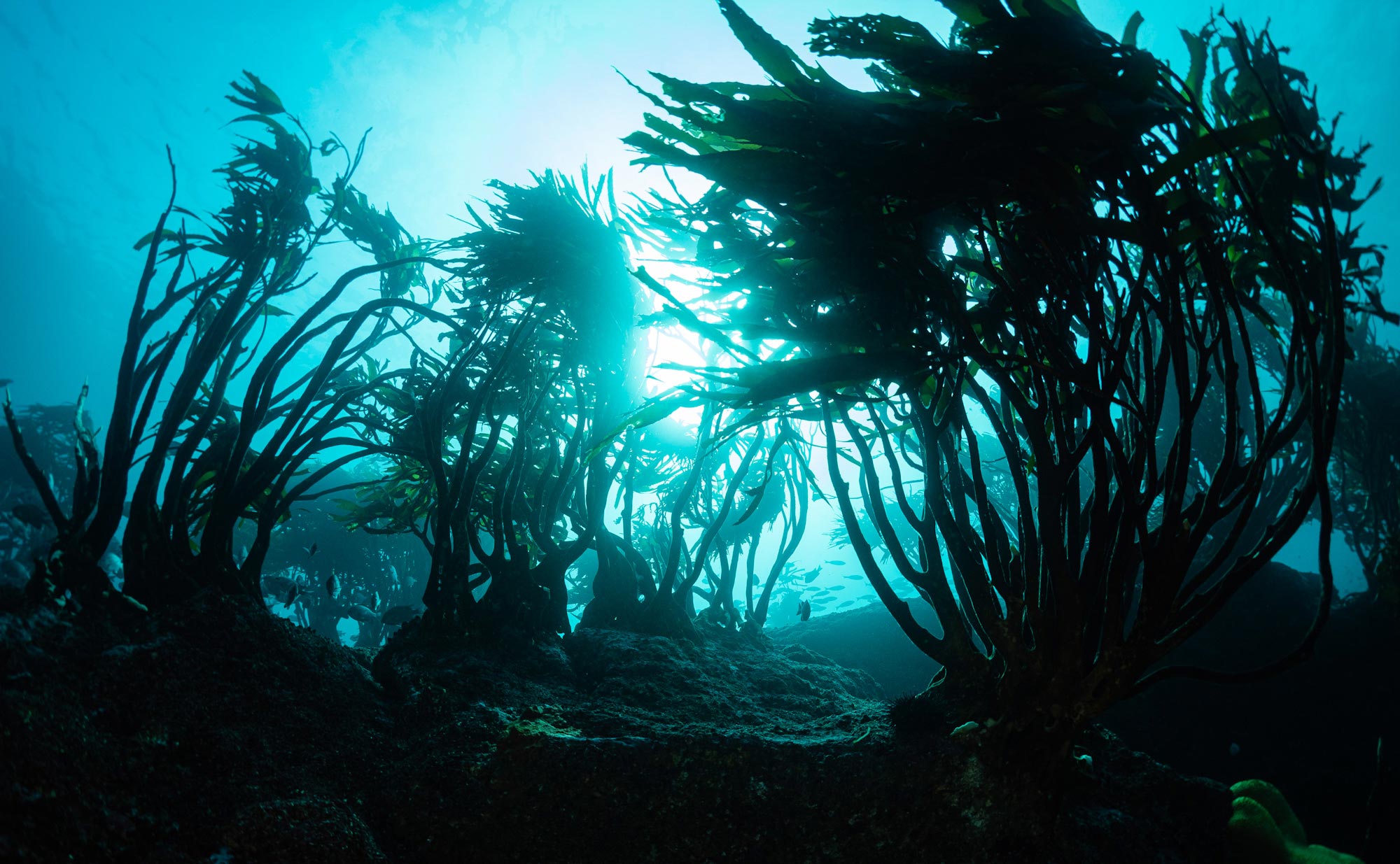
But beyond the decompression tables and surface-supplied diving equipment they now handle in the waters of Valparaíso, this course at Muelle Barón reinforces a new marine conservation paradigm co-led by Capital Azul Foundation and various artisanal fishing organizations, where the traditions of the trade and the rigor of science meet underwater to show that artisanal fishers can become a key ally in restoring coastal and marine ecosystems.
The GEF Incentives Project is executed by the Ministry of the Environment and implemented by the United Nations Development Programme (UNDP), with funding from the Global Environment Facility (GEF). Its goal is to improve national financing for the conservation of biodiversity and ecosystem services through the design, implementation and optimization of economic instruments that strengthen public finances and encourage the private sector to contribute to maintaining and restoring ecosystems.


RELATED NEWS